

Beautiful by Drew Barrymore Home Collection














































About Beautiful by Drew Barrymore Home Collection - Walmart.com
Bedding accessories help you complete your bed with the right layers, fit, and feel for your room. If your setup feels unfinished, you can compare materials, sizes, and care needs with clearer direction.
When you update home bedding, you can create a more coordinated look and a more practical routine. You can also choose layers that support comfort, cleaner styling, and easier weekly washing.
How to choose bedding accessories
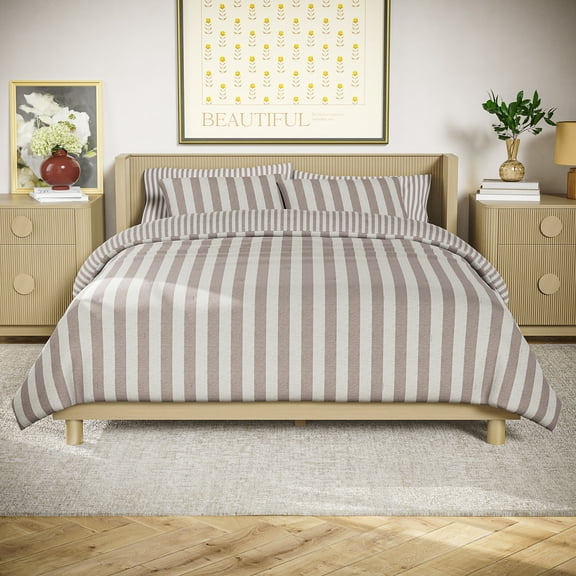
Start with the bedding essentials you use every day, then compare each layer by material, size, and feel. A coordinated set can simplify your choices when you want bedding sets that look consistent across the bed.
For material, you'll want to consider how your bed should feel at night and after washing. Cotton often gives your setup a breathable touch, while microfiber and polyester can make care feel simpler.
If your style leans relaxed, linen can give your room visible texture and casual character. During cooler nights, flannel weaves can give your bed added warmth and a softer surface.
- Cotton layers can give your bed a crisp, breathable feel when cooler sleep matters to you.
- Microfiber or polyester can fit a busy laundry routine if quicker drying and smoother care matter in your home.
- Linen can bring a casual, textured finish when your bedroom style needs more visual depth.
- Flannel weaves can add a cozier feel when colder seasons call for extra warmth across your layers.
Beyond style, bedding protection can help you create a more complete setup under sheets and layers. A smooth protector can give your mattress accessories a cleaner look without changing your room's overall style.
Choosing material, weave, and bedding accessories
When you compare comforter accessories and sheets, material and weave often shape your first impression. Percale usually gives you a crisper touch, while sateen often feels smoother and slightly silkier.
Thread count works well as one part of the decision, not the only number you check. Around 200 TC can feel lighter, while 400 TC often balances softness and everyday durability for many households.
If you prefer a denser feel, 600 TC or 800+ TC options can match your comfort preferences. You'll still want to compare the fabric itself, because thread count alone does not solely define softness.
Microfiber can suit your routine when you want a smooth finish and simpler care after laundry day. Cotton can appeal to your preferences when breathability matters in a warmer room.
For a casual bedroom look, linen can work well across layered home bedding with visible texture. Polyester blends can fit your routine when you want fewer wrinkles and straightforward washing instructions.
Choosing size, fit, and bedding protection
Size shapes both coverage and appearance, so you'll want to match your layers to your mattress first. Twin, full, queen, king, and california king options can each change how much drape you get.
Queen bedding sets can suit many primary bedrooms, while twin options can fit kids' rooms, dorms, or compact guest spaces. King and california king sizes can give your room wider coverage and fuller side drape.
Pocket depth is a key detail when you need fitted layers or protectors to stay in place. You'll want to measure from your mattress base to the top surface, especially if you use a topper.
That measurement can help you compare standard and deep-pocket options with less guesswork during checkout. A closer fit can give your bedding protection a smoother appearance under sheets and reduce bunching at corners.
Extra layers can also support easier upkeep when you rotate bedding between laundry days or guest visits. Keeping an extra protector or spare set nearby can make room resets feel simpler and faster.
Matching bedding accessories to your routine
Your routine can guide the right combination of material, weave, and size more clearly than style alone. For warmer sleepers, cotton with a percale feel can keep your setup lighter and more breathable.
During cooler seasons, flannel bedding essentials can add warmth and a softer touch at bedtime. If your room calls for a polished look, sateen layers can give your bed a smoother finish.
Busy households often need microfiber or polyester blends that fit frequent washing and drying. Guest rooms can also benefit from extra bedding sets, because you can change the bed quickly between visitors.
In smaller spaces, twin or full layers can feel easier to store between uses. In main bedrooms, queen or king combinations can create fuller coverage and a more finished appearance.
As you compare bedding accessories, you'll want to check material, thread count, weave, and pocket depth together. That approach can help you choose home bedding that fits your room, routine, and preferred feel.
With the right bedding accessories, you can create a bed that looks coordinated and fits your mattress with less guesswork. Clear choices around fabric, size, and protection can give your setup a more complete finish.