




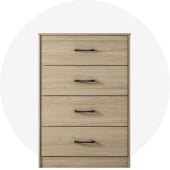
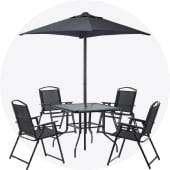
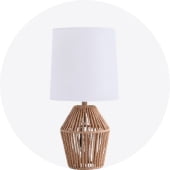
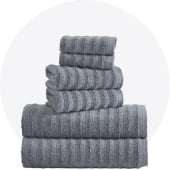
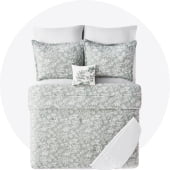
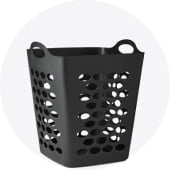
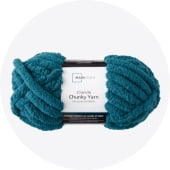

Shop all Mainstays in Home





























About Shop all Mainstays in Home - Walmart.com
Mailing and shipping supplies help you pack orders, returns, and gifts with the right protection for transit. You can compare shipping boxes, bubble mailers, poly mailers, and envelopes by size, closure, and strength.
If you ship from home or manage business orders, you need packaging that matches your item and carrier requirements. You’ll notice the right materials help your contents stay organized, sealed, and presentable from pickup through delivery.
How to choose mailing and shipping supplies
You’ll want to start with packaging type because each option fits a different shipment. You can use shipping boxes for rigid items, bubble mailers for cushioned contents, poly mailers for soft goods, and envelopes for documents.
When you compare these formats, you’ll narrow your choices faster and avoid oversized packaging. You’ll also make packing easier when your container matches your item’s shape and weight.
- You can use shipping boxes for stacked items, electronics packaging, books, and multi-item orders.
- You can pick bubble mailers when your shipment needs built-in cushioning without adding loose fill.
- You can choose poly mailers for apparel, soft accessories, and other flexible items.
- You can select envelopes for flat paperwork, photos, invoices, and lightweight correspondence.
You should also consider material because it changes structure, feel, and transit performance. You may prefer corrugated cardboard for box strength, kraft paper for classic mailing use, polyethylene for flexible mailers, and bubble wrap lining for padding.
As you compare closure styles, you’ll see practical differences in packing speed and convenience. You can choose self-seal, adhesive strip, gummed, or flap closures based on how often you ship and how quickly you need to pack.
Choosing shipping boxes by size and strength
You’ll get a cleaner fit when you measure your item before choosing small, medium, or large packaging. You can reduce wasted space when your box or mailer closely matches your item’s dimensions and overall volume.
For books, mugs, and grouped supplies, you may need shipping boxes with room for wrap or paper fill. For flatter contents, you can often use a smaller mailer that keeps packing simple.
You should check weight capacity and burst strength when carrier compliance matters for your shipment. You’ll use these details to understand how much load a box can handle during stacking and movement.
Heavy duty corrugated cardboard can make sense when you’re packing dense items or sending multiple products together. Standard duty options can work well when your shipment is lighter and doesn’t need as much structure.
You’ll also want edges and flaps that fold cleanly, especially when you pack high volumes. A consistent box shape helps you apply packing tape smoothly and label each shipment with fewer adjustments.
Comparing bubble mailers, poly mailers, and envelopes
You can choose bubble mailers when your items need padding but don’t require a full box. The bubble wrap interior helps you cushion small electronics accessories, cosmetics packaging, media, and other compact shipments.
Poly mailers work differently because you’re choosing a lightweight, flexible outer layer without built-in padding. You may prefer them for folded apparel, linens, and soft accessories that don’t need rigid walls.
If you’re deciding between padded and unpadded options, you should match protection to the item’s shape and surface. You’ll usually want more cushioning for contents with corners, delicate finishes, or presentation packaging.
Envelopes can suit paperwork and flat mail when bulk and padding aren’t necessary. You can keep documents neat and easier to sort when you choose the right envelope size and flap style.
Closure type matters here because you may want a strong seal without extra steps. Self-seal and adhesive strip designs help you close mailers quickly, while gummed and flap styles may fit traditional mailing tasks.
What to look for in packing tape and sealing details
You should treat packing tape as part of your packaging decision, not an afterthought. You’ll need a secure seal when you’re closing corrugated boxes, reinforcing seams, or adding confidence to heavier shipments.
Clear packing tape helps you keep labels visible and box markings easy to read. You can use it for everyday shipping tasks when you want a clean finish across top and bottom seams.
When you compare closure strength, you should think about whether your mailer already includes an adhesive strip. You may not need extra tape for some self-seal poly mailers, but you’ll still want tape for many box shipments.
You can also compare water-resistant and padded formats when transit conditions vary by item type. Water-resistant exteriors can suit outdoor drop-offs, while padded constructions can add another layer of protection.
Matching your packaging to real shipping needs
If you run a small business, you may need mailing and shipping supplies that support daily order packing. You can keep your workflow steady when you stock several sizes for common products and seasonal volume changes.
For returns, you may prefer self-seal mailers that make repacking quick and straightforward. You’ll make the process easier when your packaging closes securely without extra tools.
When you send gifts, you can choose bubble mailers for small boxed items or shipping boxes for fragile assortments. You’ll create a neater presentation when your packaging fits closely and holds inserts in place.
If you mail office materials, you can use envelopes and kraft paper options for contracts, statements, and flat packets. You’ll keep documents easier to organize when your chosen format matches the page size.
For home moves, classroom supplies, or online resale, you may need mixed packaging types on hand. You can handle a wider range of shipments when you keep boxes, mailers, and packing tape ready together.
You’ll make smarter shipping choices when you compare packaging type, material, size, closure, and strength before you pack. With the right mailing setup, you can keep items protected, sealed, and ready for smoother delivery.