

Children's Media Studies Books for Kids








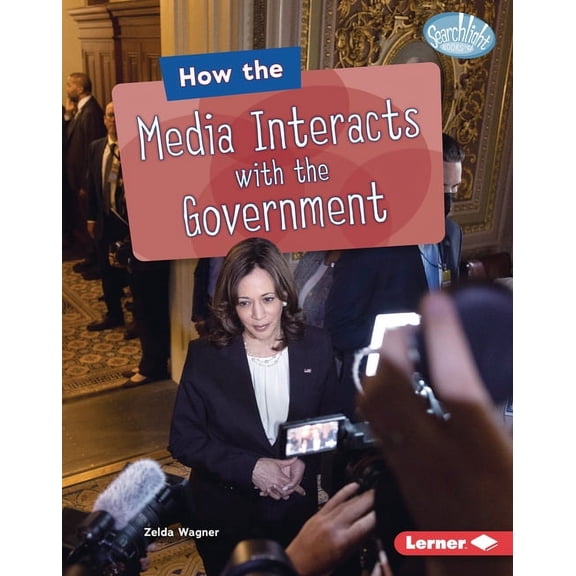



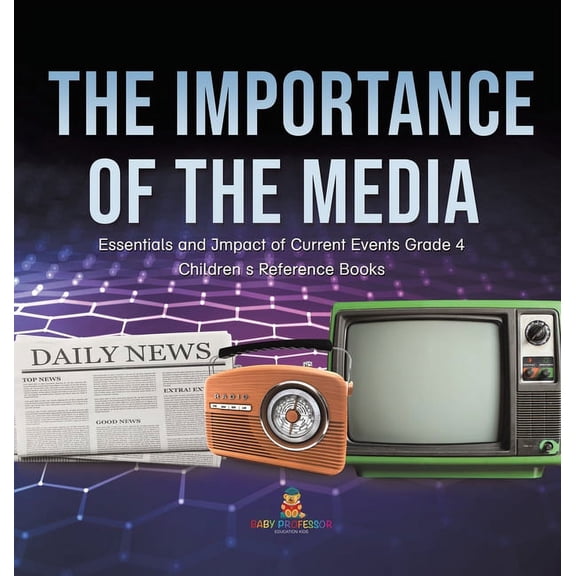












About Children's Media Studies Books for Kids - Walmart.com
Kids' media studies books help you teach digital literacy, news awareness, and thoughtful screen habits through age-appropriate reading. You can use this category to compare age range, topic focus, format, and reading level before you choose titles for home or school.
How to choose kids' media studies books by age range
You should start with age range because examples, vocabulary, and discussion depth change quickly as readers grow. You can look for Ages five to eight titles when you want simple explanations about ads, screens, and sharing online.
For Ages nine to 12, you can compare books that explore online behavior, influencer culture, and understanding news for kids. You may prefer teen titles when you want deeper conversations about media messages, reporting, and digital identity.
You can also check reading level details, including grade level and Lexile measure, when you want a closer fit. You’ll often find beginner reader, middle grade, and young adult options that match how independently your child reads.
Choosing topic focus in children's media literacy books
You can narrow your search faster when you choose a clear topic focus first. You may want digital literacy titles that explain how media is made, shared, and interpreted across apps, videos, and news sources.
If your child spends time online, you might compare social media books for kids with simple examples and guided questions. You can use these books to discuss posting, privacy, comments, and how online messages shape opinions.
You may also want books about advertising and marketing when you’re teaching kids how promotions influence choices. You can look for examples about branding, sponsored content, packaging, and how persuasive language appears in everyday media.
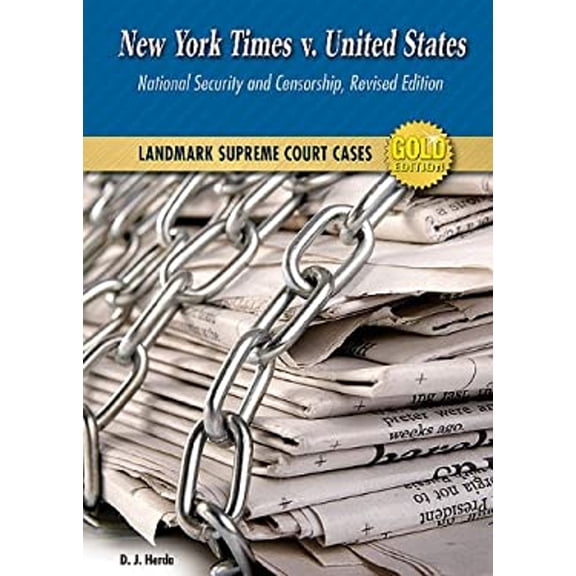
Journalism and news topics can help you introduce sourcing, headlines, and fact checking in age-friendly ways. You can use these selections for media education for children during class projects, research units, or family conversations.
- You can build critical thinking with books that break down ads, headlines, and visual messages.
- You can support digital citizenship with titles about online sharing, respectful communication, and media choices.
- You can match lessons to school needs with topics for current events, internet use, and communication skills.
What to look for in format and interactive features
You should compare format based on how and where your child reads most often. You may prefer paperback for backpacks, hardcover for repeated classroom use, or e-book options for flexible access.
Format can also shape how you use the book during reading time. You might choose a print copy when you want page flipping, note tabs, and easy sharing during group discussion.
Interactive elements can make complex ideas easier for young readers to understand. You can look for activity pages, reflection prompts, glossaries, timelines, or comparison charts that turn abstract media concepts into clear examples.
When you compare features, you should check whether the language stays plain without losing key ideas. You may appreciate books that explain terms like bias, source, audience, and message with examples your child already recognizes.
You can also use Lexile measure and grade level as practical filters, not just technical labels. Those details help you compare challenge level, sentence length, and concept depth before you choose a title.
Matching digital citizenship books to real learning needs
You can use digital citizenship books during a back to school reading list refresh or a classroom unit. These titles fit moments when you want clear support for screen habits, online behavior, and thoughtful communication.
At home, you might choose beginner reader titles to introduce internet basics with short text and simple examples. In upper elementary grades, you may move into books that explain algorithms, creators, and the difference between opinion and reporting.
For project-based learning, you can pair journalism and news books with article comparisons or headline analysis activities. You can also use advertising books when students are studying branding, persuasion, or how images guide attention.
If your child asks about trends, creators, or online platforms, social media books for kids can give you a useful starting point. You can keep the conversation grounded with age-matched language and examples that feel current.
You may want middle grade books when your reader can handle longer chapters and more layered examples. You can step up to young adult selections when you want richer discussion around media influence, identity, and public voice.
Why this category works for modern reading goals
You’re choosing books that connect reading practice with everyday media experiences your child already notices. You can build stronger discussion, smarter questions, and clearer understanding of digital messages with the right category fit.
When you compare age range, topic focus, format, and reading level, you make this niche easier to navigate. You’ll end up with books that support classroom learning and everyday media conversations alike.