

LGBT Kids Books for Children and Teens




















About LGBT Kids Books for Children and Teens - Walmart.com
LGBT kids books help you choose age-appropriate stories that reflect diverse families, identity, and everyday belonging. You can compare formats, themes, and reading levels so your child’s bookshelf feels thoughtful and easy to build.
When you shop this category, you’re often choosing books for a specific stage, from first board books to middle grade paperbacks. You may also want stories that feel warm, clear, and relatable during read-aloud time or independent reading.
How to choose lgbt kids books by age range
You’ll want to start with age range because reading level shapes how a story lands. You can look for simple words and familiar routines for toddlers, then choose deeper plots for older readers.
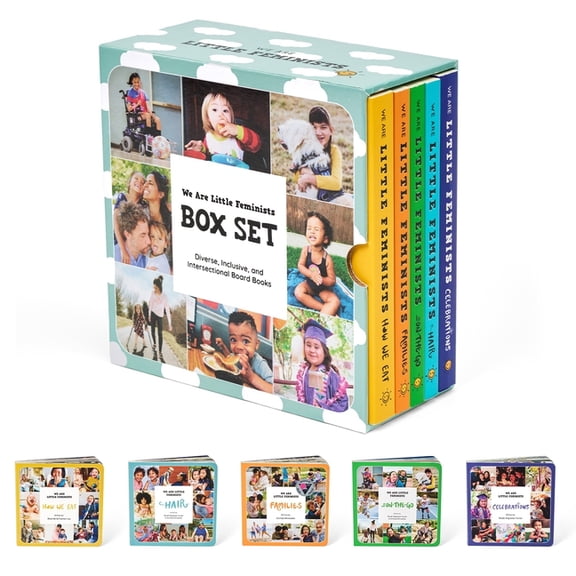
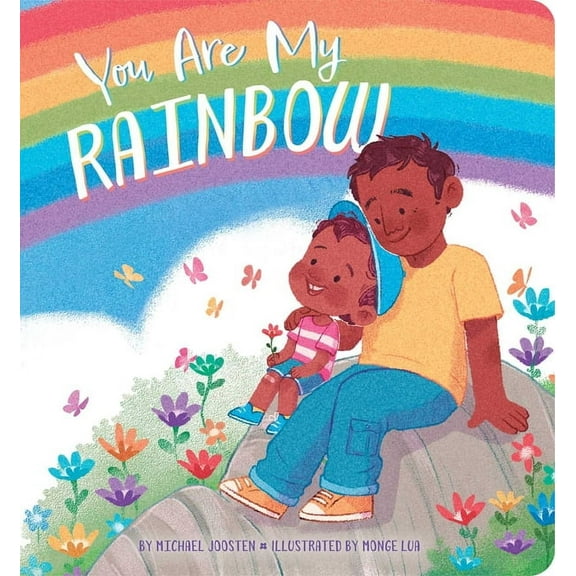
For toddlers ages zero to three, you may prefer feminist baby books in sturdy board book formats. You’ll usually see short phrases, bright art, and page counts that fit quick read-aloud moments.
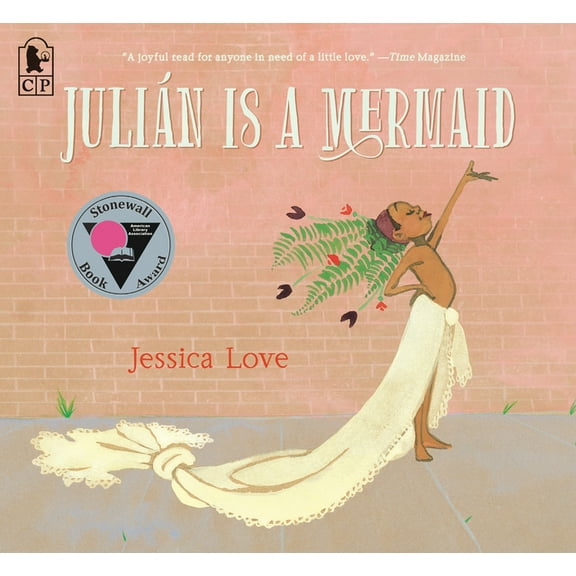
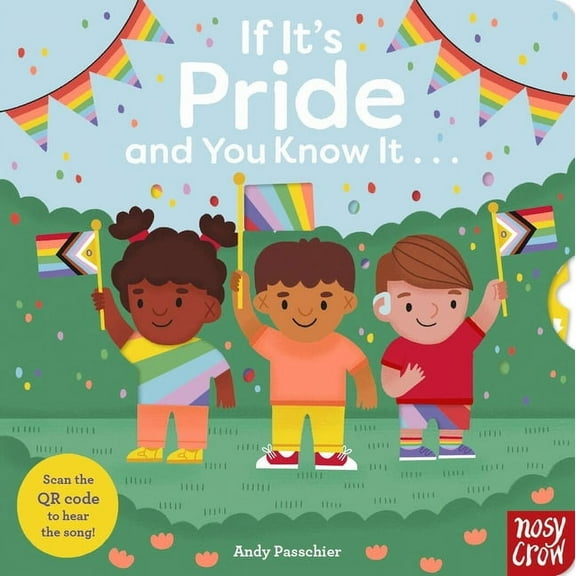
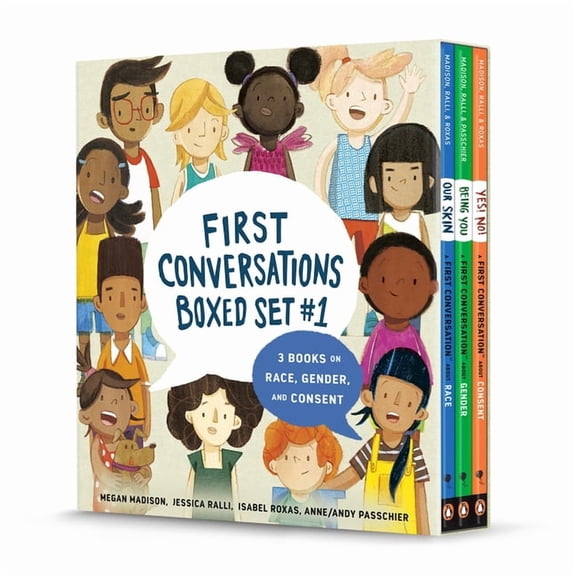
At preschool ages three to five, you can look for picture books with clear story arcs and expressive illustrations. You’ll often find themes like inclusivity, friendship, and family structure explained through everyday scenes.
Early readers ages six to eight often need straightforward sentences and a little more emotional detail. You can choose stories about self-acceptance, classroom dynamics, or a boys wear pink book that supports confident self-expression.
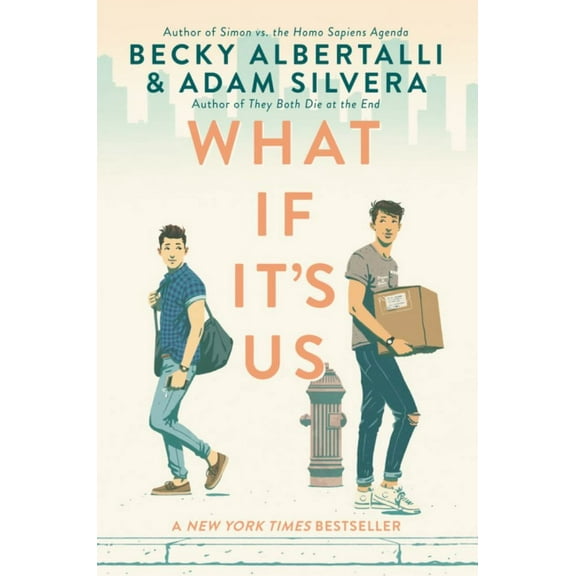
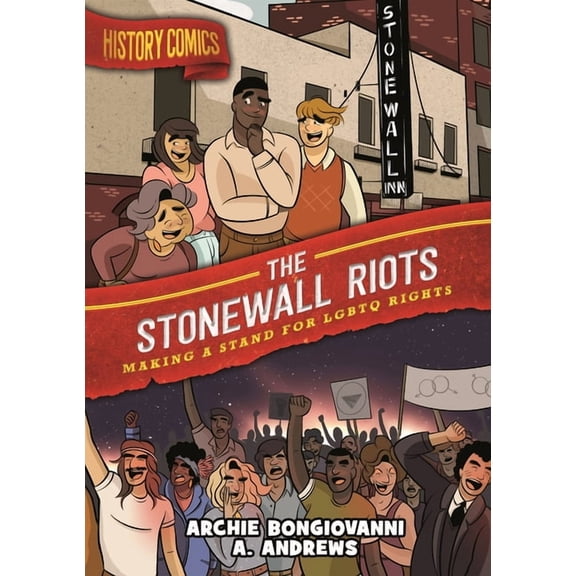
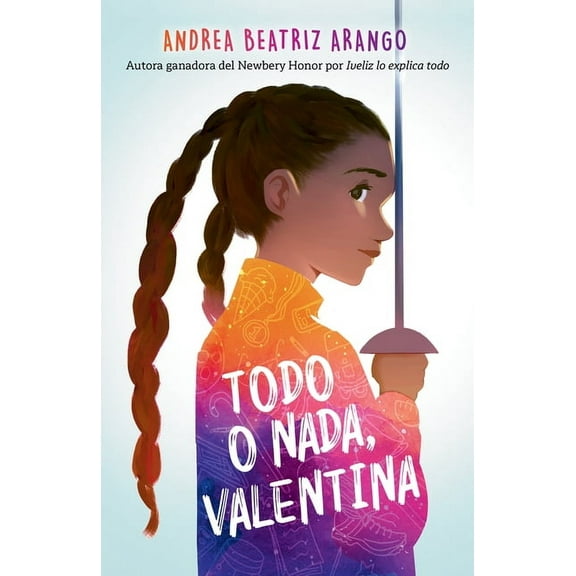
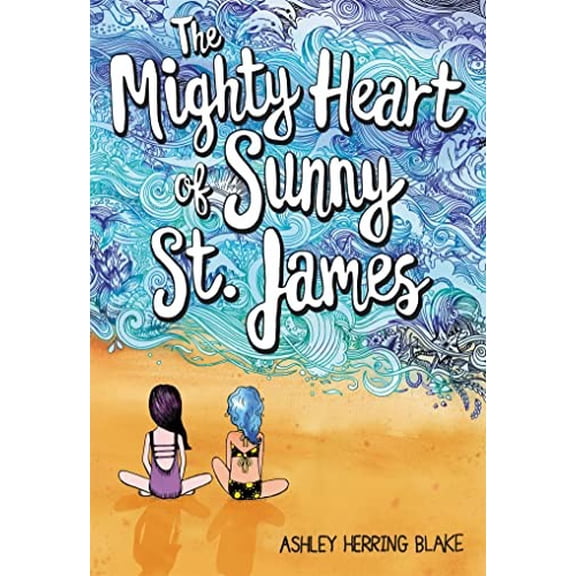
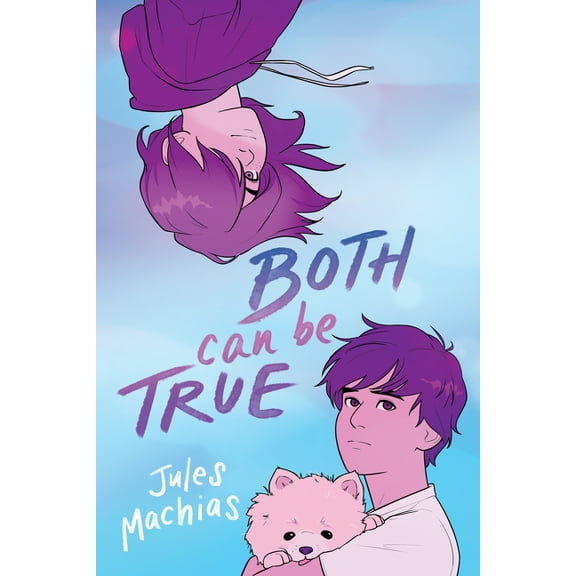
For middle grade ages nine to 12, you may look for longer chapters and more layered character development. You’ll often find identity questions, diverse friendships, and family stories presented with added depth and context.
Choosing the right book format for your reading routine
You’ll want to compare format next because it affects how your child reads and re-reads each title. You can match durable pages, larger art, or portable trim sizes to your daily routine.
Board books work well when you want thick pages that small hands can turn easily. You’ll often choose them for toddlers, travel bags, or bedtime baskets that get frequent use.
Picture books give you full-page art and a strong shared reading experience. You can use them when you want visual storytelling that helps younger children follow family roles, feelings, and social situations.
Paperback editions can feel easy to carry for school, trips, and independent reading time. You may choose them for early reader and middle grade titles when your child wants a familiar chapter-book feel.
Hardcover editions can suit gift giving, classroom shelves, or home libraries that get repeated use. You’ll often notice they feel substantial during read-aloud sessions and special story times.
What themes to look for in inclusive children’s stories
You can narrow your options by theme when you know what kind of representation matters most. You may want stories about diverse families, identity and self-acceptance, inclusivity, or feminism.
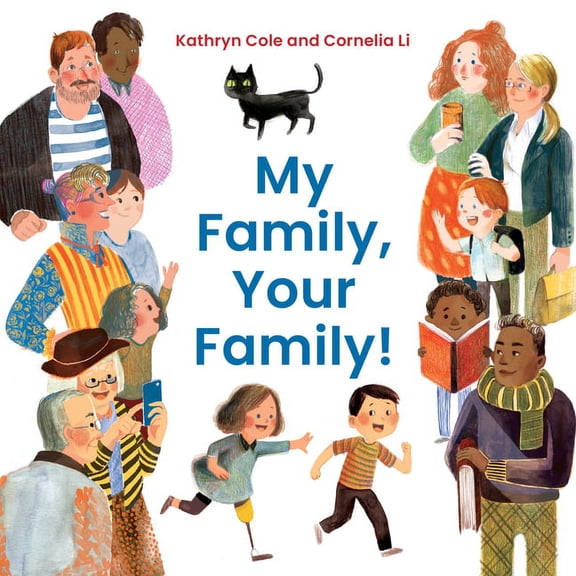
Diverse family stories help you introduce children to households that may look different from their own. You’ll often see parents, siblings, and daily routines presented in a familiar, child-centered way.
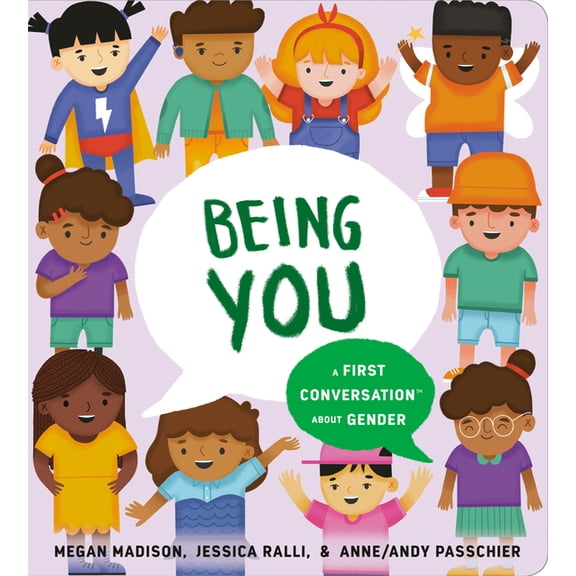
Identity and self-acceptance themes can help you choose books that center confidence and belonging. You may prefer these titles when you want characters who name feelings, ask questions, and grow comfortable being themselves.
Inclusivity themes often focus on friendship, kindness, and community settings like classrooms or neighborhoods. You can use these stories to support conversations about respect without making the reading experience feel heavy.
Feminism themes usually highlight fairness, voice, and possibility in kid-friendly language. You might notice little feminist books introduce role models, interests, and self-expression through simple examples children can understand.
- You can choose diverse family themes for everyday read-alouds and family connection.
- You can choose identity themes when your child enjoys character-driven stories and self-discovery.
- You can choose inclusivity themes for classroom reads and group discussion.
- You can choose feminism themes for books about confidence, fairness, and role models.
Comparing character focus and story style
You’ll also want to compare who the story centers and how the book teaches its message. You can choose narrative stories, concept books, or titles that blend both approaches.
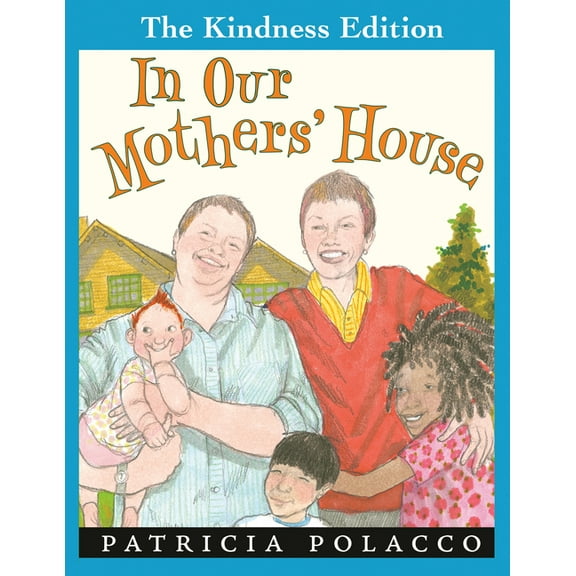
Books with LGBTQ+ characters often place representation inside ordinary childhood moments. You may appreciate stories where family dinners, school events, and playtime feel recognizable and easy to discuss.
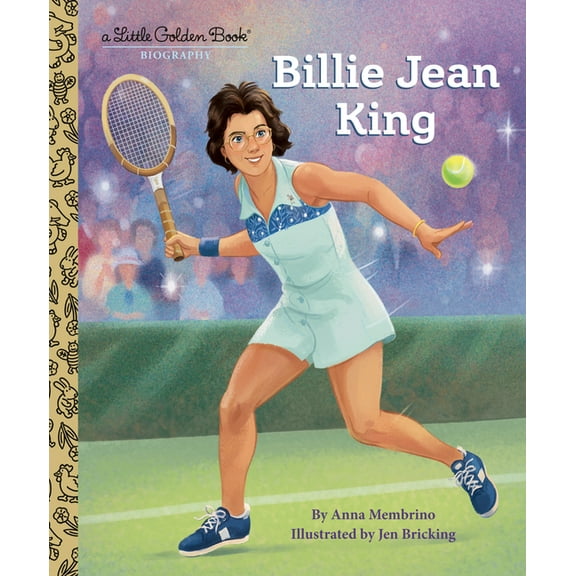
Titles with feminist role models can show children how interests and ambitions take shape over time. You might look for biographies, community stories, or imaginative tales that broaden what kids see as possible.
Diverse friendship stories help you focus on peer relationships, empathy, and shared experiences. You can choose these when you want representation that appears through teamwork, play, and classroom interaction.
Story-based books usually follow a plot, a challenge, and a satisfying resolution. Educational or concept books often use clear labels, examples, or themes, which can help when you want direct language.
Using search cues like feminist baby books and boys wear pink book
You may search with familiar phrases when you remember a theme, a title style, or a classroom topic. You can use terms like feminist baby books, boys wear pink book, or little feminist books to narrow choices.
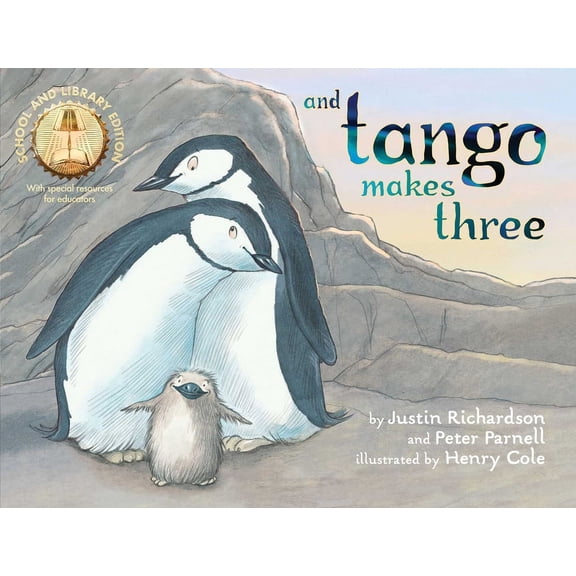
If you’re looking for a recurring cast, you may search for we are girls book series to find similar character-driven reads. If you remember a classic family story, you might also search tango penguin or tango the penguin.
These search cues can help you move from a broad category to a more precise match. You’ll still want to check age range, format, and theme so the book fits your child’s reading stage.
How these books fit real reading moments
You can use these books during bedtime, classroom sharing, library time, or gift giving. You may also choose them when you want your child’s shelves to reflect a wider range of families and identities.
For toddlers, you might pair a board book with short read-aloud routines before naps or bed. For preschoolers, you can choose picture books that invite simple questions about feelings and family life.
Early readers may enjoy paperback stories they can practice on their own and revisit later. Middle grade readers often want longer books that let them spend more time with characters and social situations.
When you choose with age, format, theme, and character focus in mind, your search becomes much clearer. You’ll end up with stories that feel readable, relevant, and easy to return to again.