

Kids’ Cookbooks & Food Books in Children’s & Kids’ Books





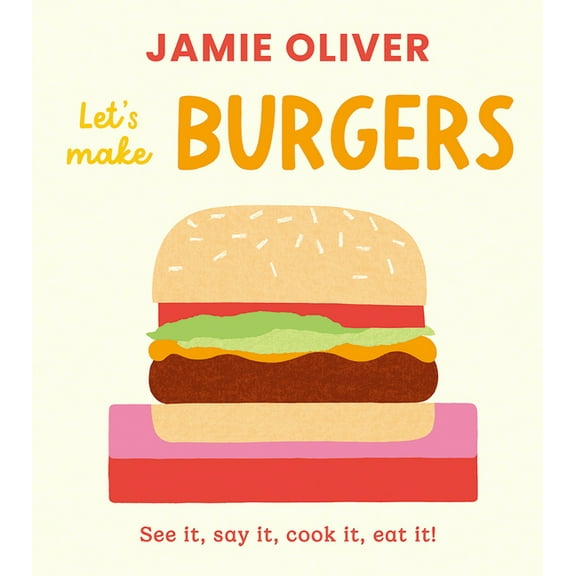


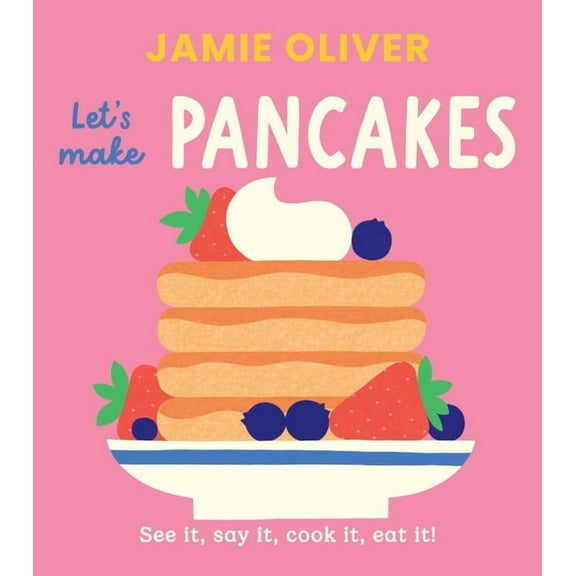
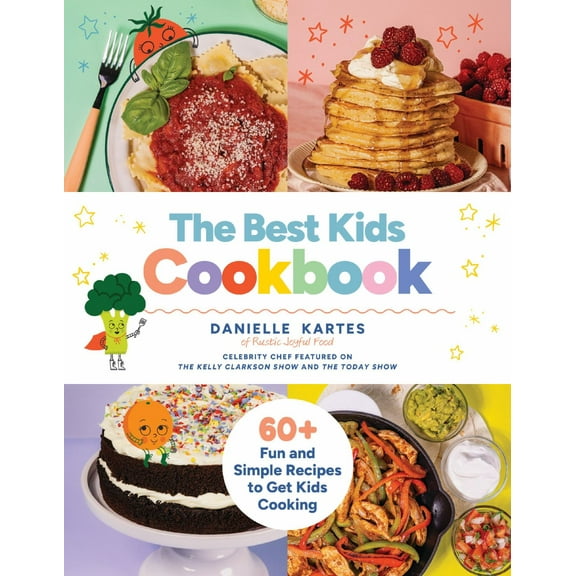

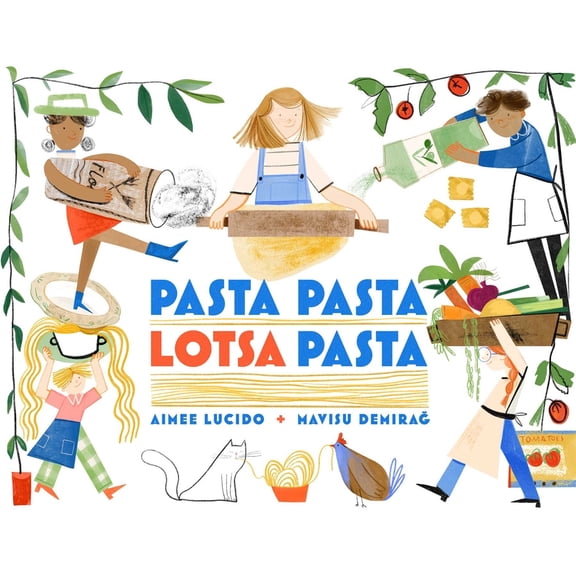


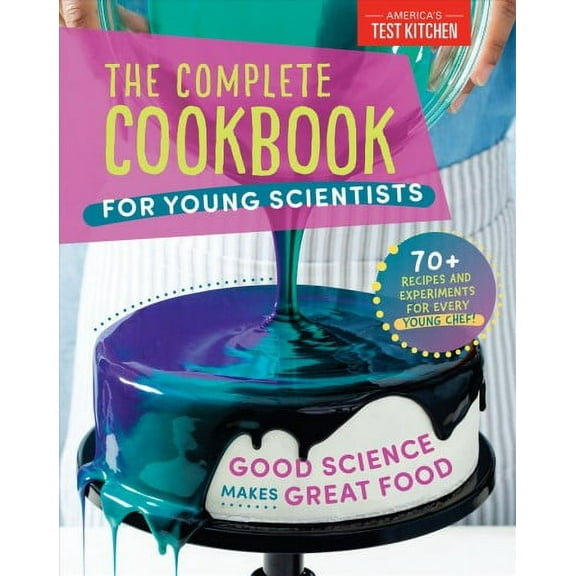
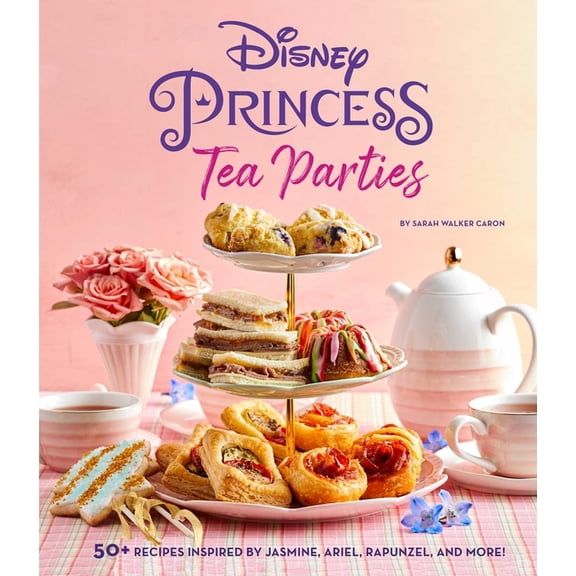


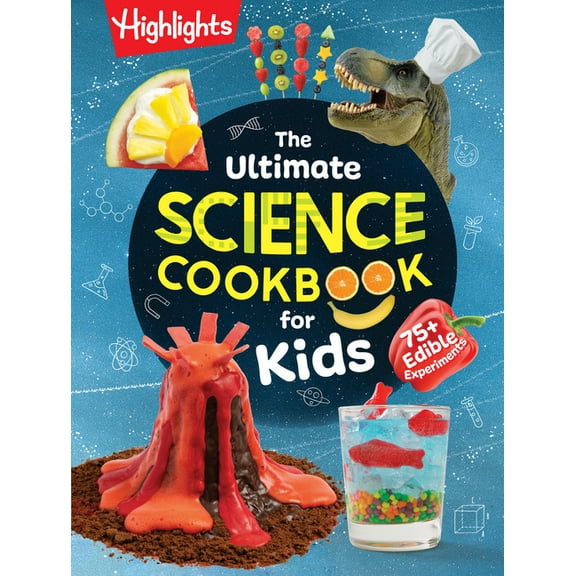




About Kids’ Cookbooks & Food Books in Children’s & Kids’ Books - Walmart.com
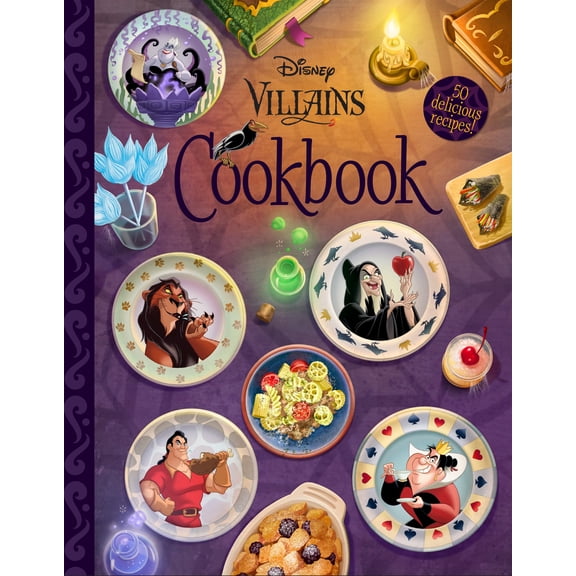
A Disney cookbook for kids helps you turn story time into hands-on kitchen fun. You can compare age range, theme, recipe type, and format to match your young cook.
You may want a book that feels playful but still teaches real kitchen basics. You can also look for visual steps, familiar ingredients, and projects that fit your child's reading level.
Choosing a Disney cookbook for kids by age range
You should start with age range because reading level shapes how independently your child can follow a recipe. You can often expect simpler steps and bigger pictures in books for ages four to eight.
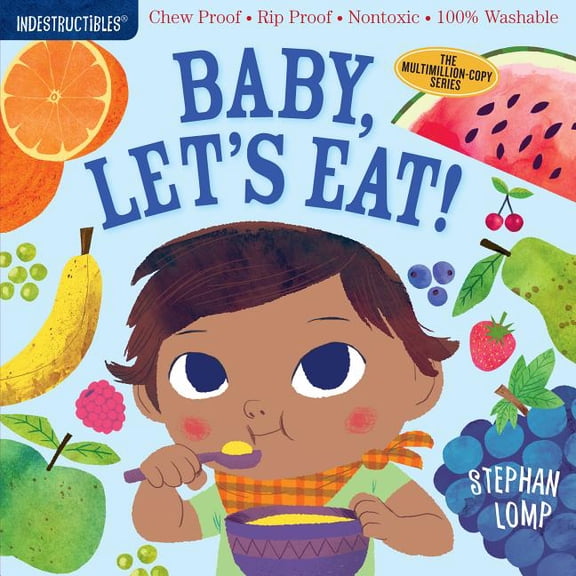
If you're shopping for toddlers, you may prefer food books with counting, colors, or pretend cooking themes. You can use those books to build kitchen interest before your child follows full recipes.
For ages nine to 12, you can look for longer directions, prep lists, and basic skill building. You may also want recipes that introduce measuring, mixing, and simple stovetop tasks.
If you're shopping for teens, you can choose books with more complete meals and baking projects. You can compare whether the instructions still feel approachable for after-school cooking.
- You can match the reading level to your child's independence in the kitchen.
- You can choose shorter recipes when your child wants quick wins.
- You can look for step-by-step illustrations when your child learns visually.
- You can compare pantry-friendly recipes when you want simple ingredient lists.
How to compare kid friendly cookbooks by theme and franchise
You may choose theme first when your child connects with favorite characters and stories. You can use that excitement to keep young cooks engaged through measuring, stirring, and decorating.
If you're looking for a Disney kids cookbook, you can compare titles tied to familiar movies and characters. You may also notice popular themes like Disney cookbook, Princess and the Frog cookbook, or Tiana's cookbook.
You should check whether the theme supports the kind of cooking your child enjoys. You can find books that focus on party treats, movie-inspired snacks, or simple family meals.
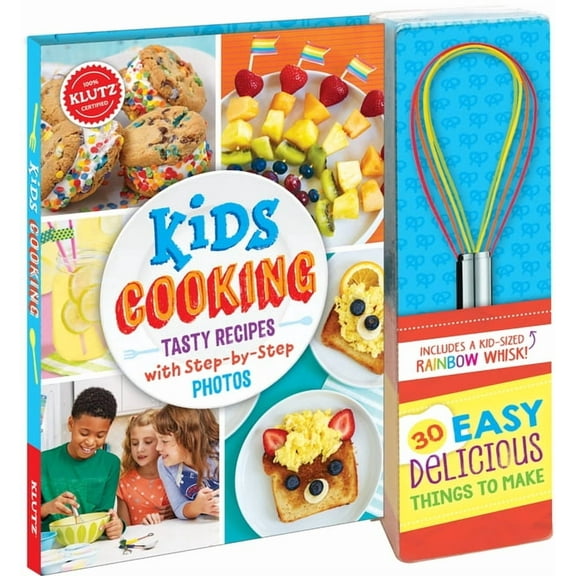
When you're comparing a Klutz kids cookbook or a character-led title, you should look at how the book teaches. You can decide whether your child prefers crafts, kits, or recipe-first pages.
What to look for in recipe type and ingredient difficulty
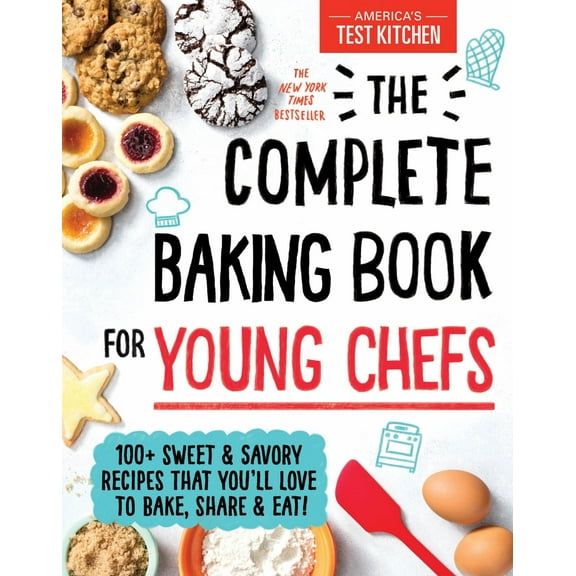
You can narrow your choice faster when you compare baking, cupcakes, easy meals, and snacks. You should match the recipe type to how much time, supervision, and cleanup you want.
If your child likes decorating, you may lean toward Cupcake Diaries-style books or baking projects. You can expect frosting, toppings, and picture-friendly results that feel rewarding.
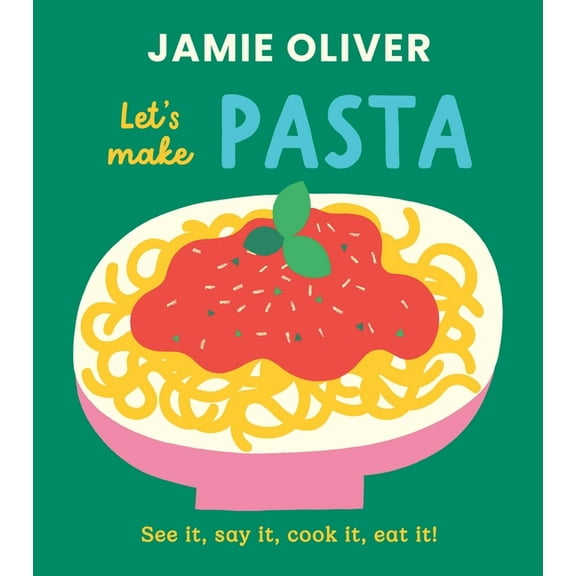
For weeknight help, you may want a cookbook for kids meals with simple pantry staples. You can look for pasta dishes, breakfast ideas, wraps, and no-fuss snacks.
You should also compare ingredient lists before you choose a cook book for kids. You can avoid books that rely on hard-to-find items when you want smoother meal planning.
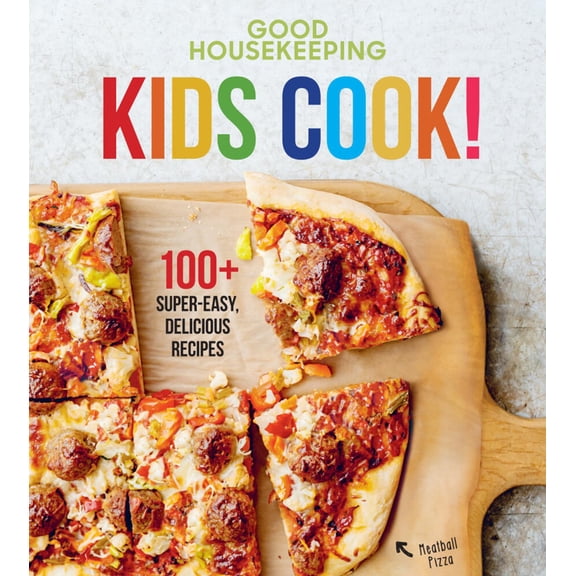
Visual layout matters just as much as recipe type when you're choosing kids cook books. You can follow books with photo steps more easily than text-heavy pages during busy afternoons.
If your household has dietary preferences, you can check whether recipes offer flexible swaps. You should look for books that label options clearly without making the instructions harder to follow.
Choosing the right format for young cooks
You can compare hardcover, spiral-bound, and book-and-kit formats based on how your child cooks. You may find spiral pages easier to keep open on the counter.
If you want a giftable option, you can consider a book with toy or utensil kits. You should check whether the included tools match your child's age and recipe interests.
Hardcover books can feel sturdy for repeat reading and shelf storage. You can choose them when your child enjoys returning to favorite recipes and themed pages.
Spiral-bound formats can work well when your child needs hands-free page viewing. You can keep the instructions visible while measuring flour, stirring batter, or assembling snacks.
Using cook books for kids in real family routines
You can use these books for rainy afternoons, birthday planning, and holiday baking traditions. You may also keep one nearby for screen-free activities that still feel creative.
If your child loves character stories, you can turn a Disney-themed title into a movie night project. You can pair themed snacks or cupcakes with familiar scenes for a more interactive evening.
For beginner cooks, you can choose simple snack or no-bake books that build confidence. You should look for short ingredient lists and clear prep photos your child can track.
If your goal is family participation, you can pick easy meals that let siblings share tasks. You can assign washing, mixing, topping, or plating based on age and attention span.
You may also use a food book to support classroom themes, book clubs, or weekend playdates. You can choose recipes that create a finished treat without overwhelming young helpers.
When you're comparing titles, you should think about where your child needs support now. You can choose a category match that encourages reading practice, kitchen familiarity, and enjoyable shared time.
You can feel confident choosing a category built around age fit, visual guidance, and recognizable themes. Your right pick can make cooking feel clearer, more engaging, and easier to repeat at home.