

Pete the Cat Books in Children’s & Kids’ Books













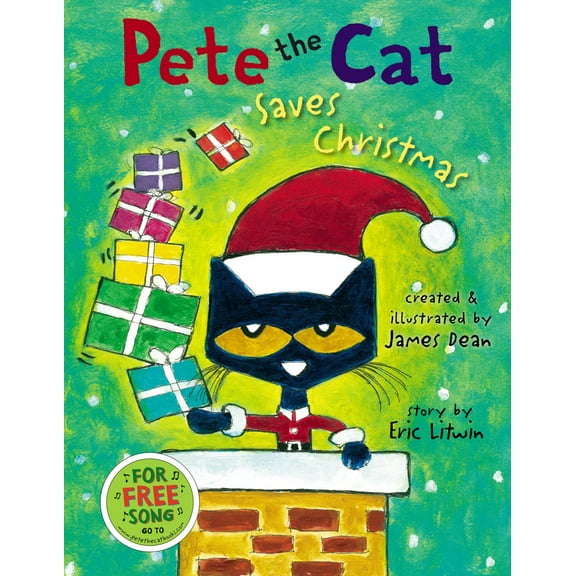

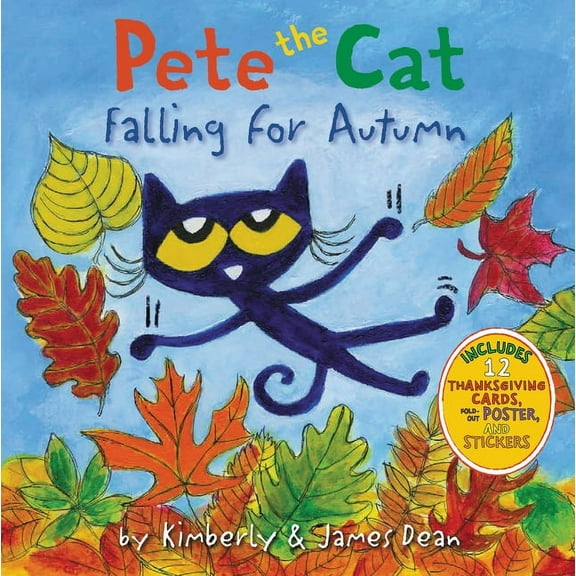
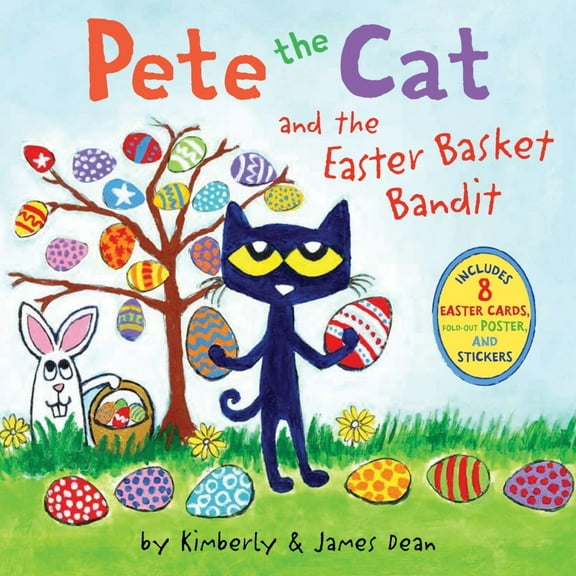

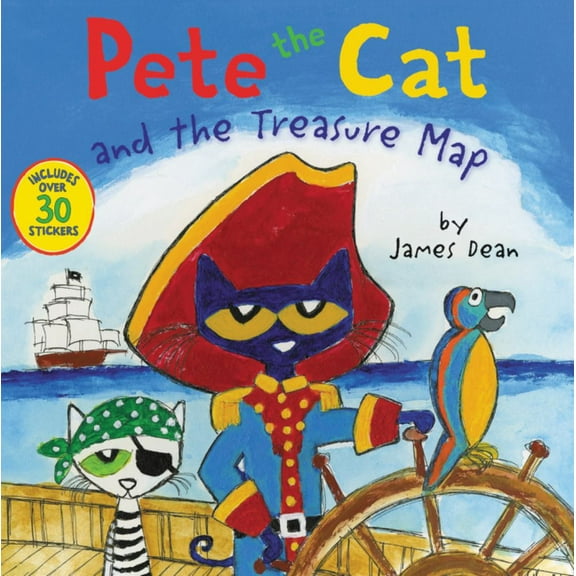


About Pete the Cat Books in Children’s & Kids’ Books - Walmart.com
You can compare Pete the Cat books by reading stage, format, and theme, so your child gets stories that fit everyday reading time. You can also find box sets, board books, and early readers that match how your family reads at home, in class, or on the go.
If you’re choosing for a toddler, a kindergartener, or an independent reader, you may want clear guidance before you pick a title. You can use the decisions below to sort storybooks, phonics sets, and themed favorites without guessing which format fits your child.
How to choose Pete the Cat books
You should start with your child’s reading stage, because that choice shapes how easy each book feels during reading time. You can usually see the primary difference between parent read-along picture books and early readers for growing confidence.
When you compare formats, you can match durability and page style to your child’s age and routine. You may prefer board books for frequent handling, while your child may move to paperback or hardcover for longer stories.
You can also narrow choices by whether you want one story or a collection. You may often pick a box set when your child likes repeat characters, while a single title works for themed reading.
- You can use board books for sturdy pages during toddler story time.
- You can choose paperbacks for lighter reading bags and classroom take-home books.
- You can pick hardcovers when you want a giftable format with a durable feel.
- You can select box sets when your child wants several stories in one purchase.
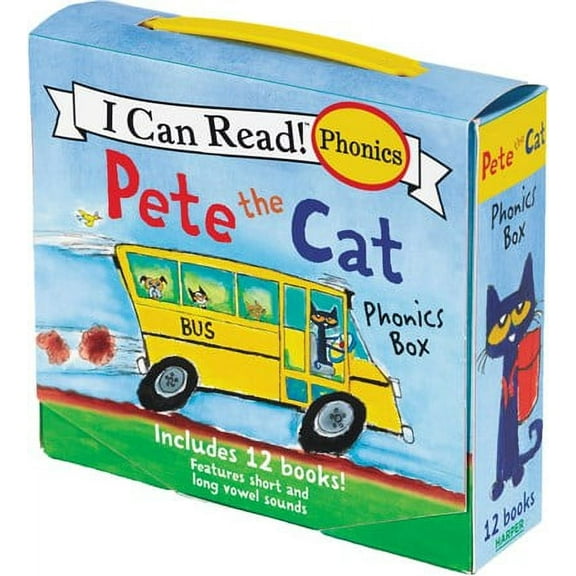
- You can look for phonics sets when your child is practicing short, simple reading steps.
Choosing format and product type for Pete books
You should compare hardcover, paperback, board book, and box set options by how your child can use them most. You may notice each format supports a different routine, from bedtime read-alouds to backpack-friendly reading practice.
For toddlers, you may lean toward board book editions because your child can turn thicker pages more easily. For older kids, you might prefer paperback copies that fit reading logs, travel bags, and classroom bins.
If you’re building a home shelf, you can consider hardcover titles for a sturdier keepsake feel. If you want several connected stories at once, you can compare box sets that bundle related adventures and reading levels.
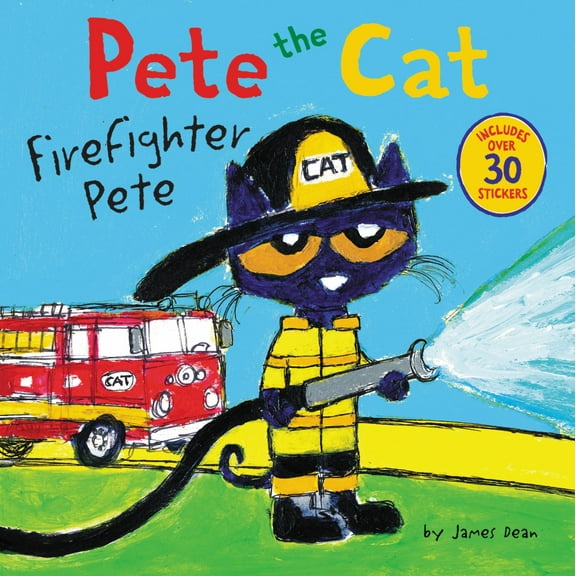
You should also look at product type before you decide. You can choose picture books for shared reading, storybooks for familiar adventures, activity books for hands-on engagement, and phonics sets for step-by-step practice.
When you compare Pete books by product type, you can match the page experience to your child’s attention span. You may want shorter activities after school, while longer stories can work well during bedtime reading.
Choosing the right reading level
You can check whether your child listens, joins in, or reads alone before you choose a title. You can use that simple question to sort shared reading books from My First I Can Read options.
For shared reading, you may prefer picture books with larger illustrations and a parent-friendly pace. For independent practice, you can look for early reader formats with shorter sentences and more predictable words.
If your child is in kindergarten, you can look for books that balance familiar characters with approachable text. You may often want a title that feels fun first, because that keeps reading practice consistent.
For toddlers, you might choose simpler page layouts and shorter page counts that hold attention during quick read-aloud moments. You can then move into beginner reader sets as your child starts recognizing repeated words.
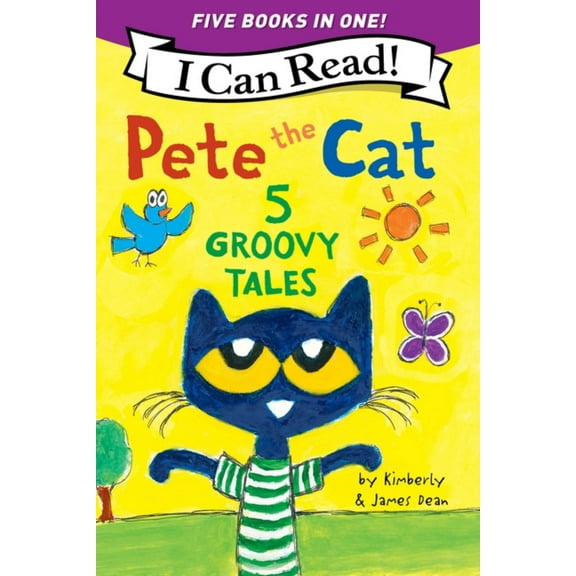
You may also compare standalone books with box sets when your child is building reading confidence. You can use a set for steady practice across several stories, which helps your child stay with a familiar style.
Choosing themes like school, summer, and Pizza Cat book stories
You can narrow choices faster when you pick a theme your child already talks about. You may see stronger engagement when stories connect with school days, summer fun, holidays, or a Pizza Cat book adventure.
School-themed titles can fit back-to-school routines, classroom read-alouds, and first-week reading baskets. Summer stories can support vacation reading, road trip packing, and lighter seasonal assignments.
If your child laughs at food-themed stories, you may want a Pizza Cat book title for playful read-aloud energy. If your family rotates seasonal books, you can add holiday stories to keep familiar characters in the mix.
You may also notice that Pete and the Cat books searches often reflect families looking for recognizable characters and simple story flow. You can use theme as the final tie-breaker when format and reading level already match your needs.
Matching book choices to real reading moments
You can use board books for quick morning reading with toddlers, especially when your child wants to hold and turn pages. You might keep paperbacks in the car or backpack when your child reads between activities.
For bedtime, you may choose picture books or hardcovers when your family wants a longer shared story. For independent practice, you can use phonics sets and early readers during short after-school reading sessions.
If you’re buying for a classroom, you can mix box sets with individual titles to cover different reading stages. This helps give emerging readers familiar characters, while stronger readers can move through several stories in sequence.
When you need a gift, you can choose a collection that feels complete without requiring extra matching titles. When you need one focused pick, you can choose a single theme like school, summer, or pizza.
You can feel confident choosing Pete the Cat books when you compare reading level, format, and theme together. This can help you find stories that fit your child’s routine and keep reading time easy to repeat.