

Ages 3-5 Children’s Books in Children’s & Kids’ Books






















About Ages 3-5 Children’s Books in Children’s & Kids’ Books - Walmart.com
With ages 3-5 children's books, you can match stories to growing attention spans, emerging vocabulary, and preschool learning moments. You can compare picture books, read-aloud favorites, and early reader options that fit daily routines and playful discovery.
How to choose ages 3-5 children's books
When you choose books for this age range, you should start with your child's stage, not just the cover. You may want shorter stories for three-year-olds and longer plots for older preschool readers.
If you're shopping for books for 4 year olds, you may look for repeated phrases and clear page-by-page action. If you're choosing books for five-year-olds, you may prefer simple sentences that support early independent reading.
You can also use preschool books to support classroom themes, circle time, and quiet reading at home. You'll often notice that familiar topics help your child stay engaged from the first page.
Choosing age range and reading level
For three-year-olds, you may want read-aloud stories with large illustrations, few words, and steady pacing. You'll often find that simple page turns and repeated sounds keep reading time moving smoothly.
For four-year-olds, you can look for storybooks for toddlers that add humor, prediction, and simple problem solving. You'll likely want books that invite pointing, naming, and talking about what happens next.
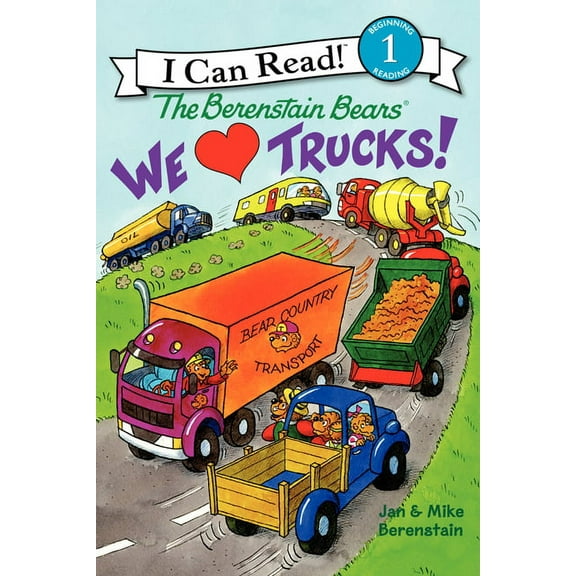
By age five, you may compare read-aloud titles with early reader options that use shorter sentences and familiar words. You can support growing confidence when text and pictures work together clearly.
- You can choose read-aloud books for shared bedtime, classroom reading, and cozy story time.
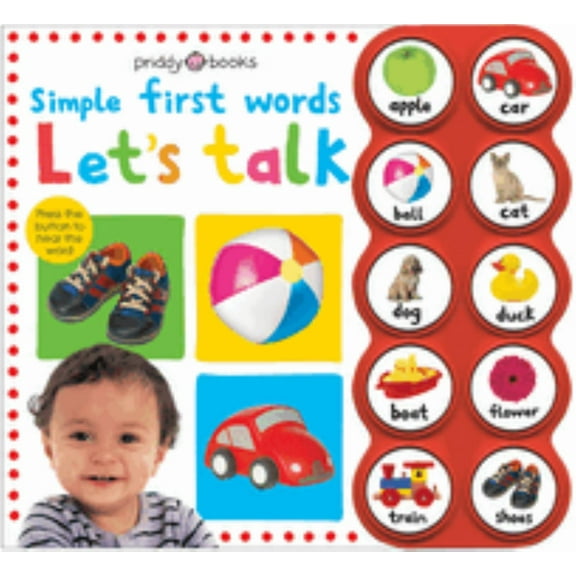
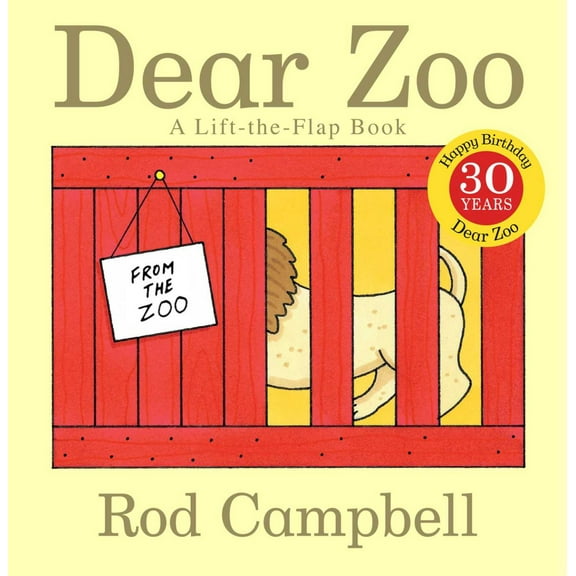
- You can pick interactive books when your child enjoys lifting flaps, repeating sounds, or answering simple prompts.
- You can select early reader styles when your child starts recognizing letters, sight words, and sentence patterns.
- You can match book length to attention span, so reading feels fun and manageable.
Comparing book formats in kids books
Book format changes how your child uses a story every day. You may prefer board books for repeated handling, while you may choose paper pages for longer stories and richer illustrations.
Picture books for 3-5 year olds often give you full-page art that supports comprehension before every word is understood. You can use those visual clues to talk through feelings, actions, and new vocabulary.
Paperback options can feel lighter for travel bags, classroom cubbies, and quick outings. Hardcover choices may work well when you want a sturdier keepsake for frequent rereading.
If you're building a mixed home library, you can combine formats based on routine and reading style. You might keep board books for independent browsing and reserve longer hardcover stories for shared reading.
Matching themes in childrens books
Theme matters because you can hold attention longer when a story connects with current interests. You may notice stronger engagement when your child already loves animals, bedtime stories, or alphabet adventures.
Animal stories can help you name sounds, habitats, and playful actions during read-aloud time. Bedtime themes can give you calm pacing, gentle repetition, and familiar routines before lights out.
Alphabet and numbers books can fit preschool practice without feeling like a worksheet. Social emotional themes can help you discuss sharing, friendship, feelings, and first-day experiences in simple language.
You can also rotate subjects through the week to keep reading fresh. You might use learning-themed books after school and choose softer storylines during evening wind-down time.
Using preschool books for real routines
You can use ages 3-5 children's books in more places than bedtime alone. You may keep a few in the car, a few in the playroom, and a few near your child's bed.
For morning routines, you can choose short stories with upbeat pictures and familiar words. For afternoon quiet time, you may prefer longer picture books with detailed scenes to explore together.
If your child attends preschool, you can pick books that echo classroom topics like letters, counting, seasons, or feelings. You can make transitions easier when home reading feels connected to the school day.
When you want connection, you can choose read-aloud stories with repeated lines your child can join. When you want practice, you can choose simple early reader titles with predictable word patterns.
You may also look for kids books that fit gifting moments, road trips, rainy days, and holiday reading baskets. You can build a shelf that supports both everyday routines and special occasions.
What to look for before you choose
You should compare page count, sentence length, and illustration style before you decide. You can often tell whether a title fits your child by checking how much visual support appears on each page.
Look for books that match your reading routine, your child's interests, and your preferred format. You'll feel more confident choosing childrens books when age range, theme, and reading level line up clearly.
With the right mix of picture books, preschool books, and early reader styles, you can keep story time engaging as your child grows. You can create a reading routine that feels inviting, consistent, and easy to repeat.