

Children's Social Science Books Collection









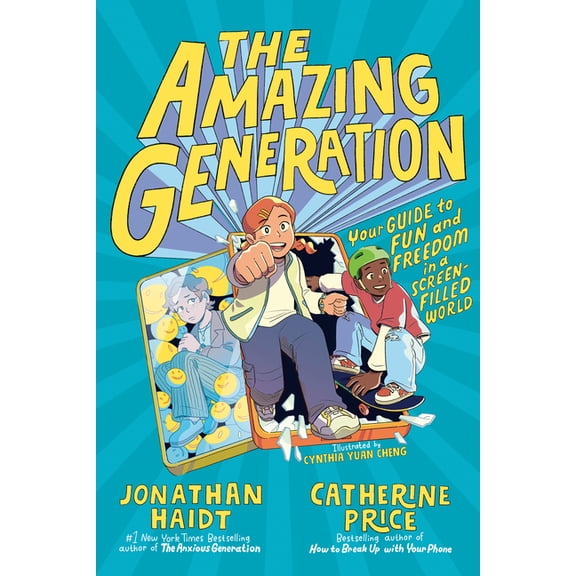
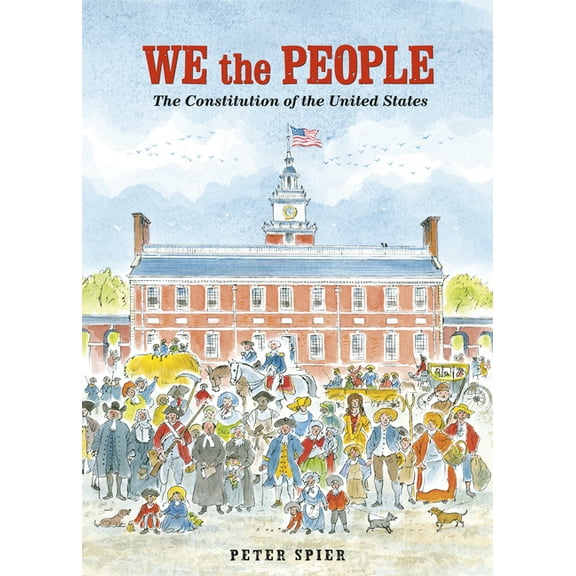
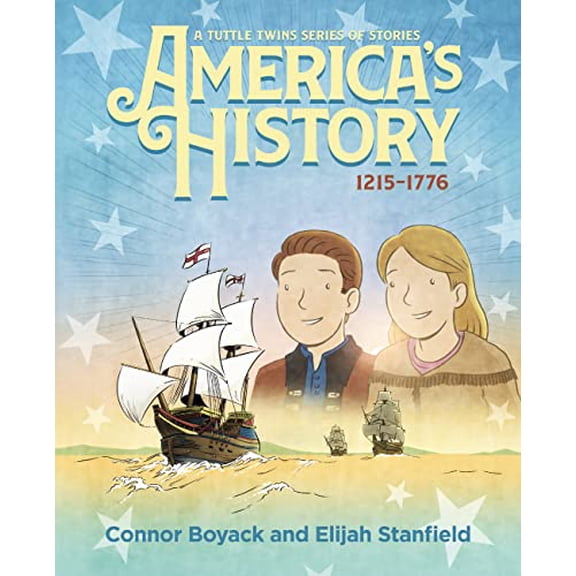
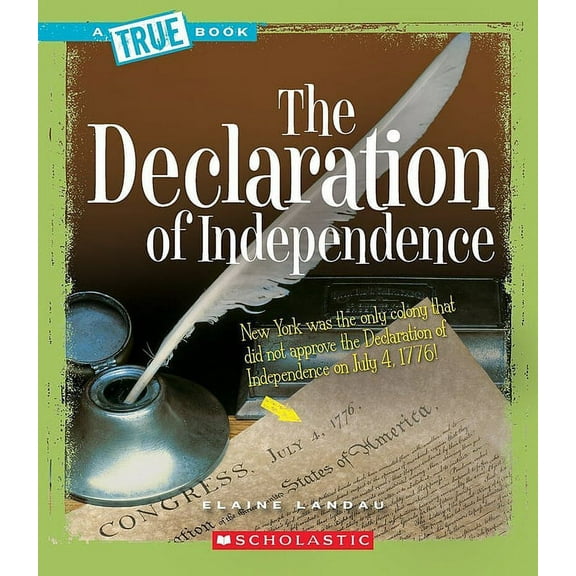








About Children's Social Science Books Collection - Walmart.com
Kids' social science books help you build age-appropriate learning around history, civics, geography, and culture. You can compare reading level, subject focus, format, and learning approach in one place.
How to choose kids' social science books by age range
Start with your child's reading stage, because age range shapes vocabulary, sentence length, and topic depth. You can use toddler, preschool, elementary, and middle school labels as a practical first filter.
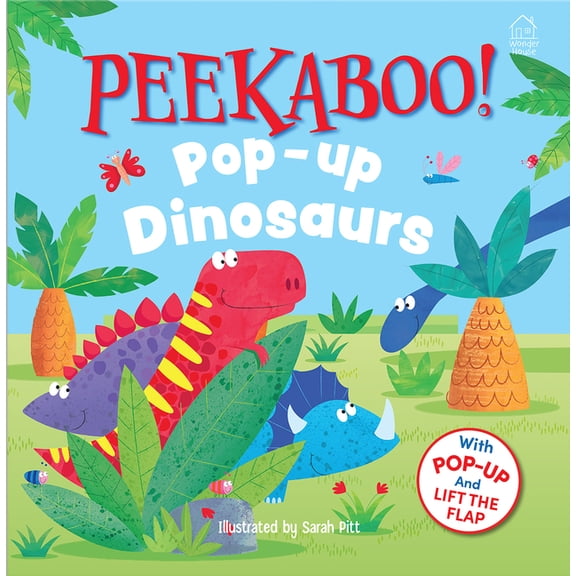
For toddlers and preschoolers, you may prefer board books or picture-led formats with simple words and clear images. You can introduce community helpers, maps, traditions, and basic history concepts without heavy text.
For elementary readers, you may look for short chapters, timelines, glossaries, and labeled illustrations. You can support classroom topics while keeping reading approachable for growing independent readers.
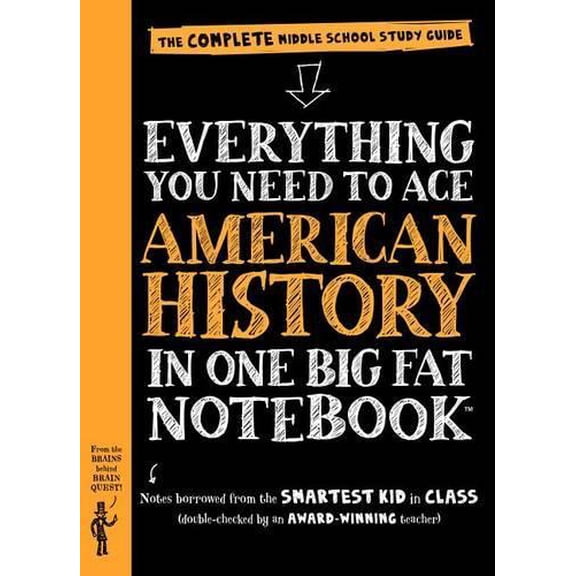
Middle school readers often need more context, primary-source excerpts, and longer explanations of events or systems. You can compare narrative nonfiction and biographies when you want stronger detail and discussion points.
Choosing subject matter in social science books for kids
Your subject choice guides what your child learns first, so it helps to compare topics before format. You can focus on history, civics, geography, cultural studies, or sociology based on schoolwork and personal interest.
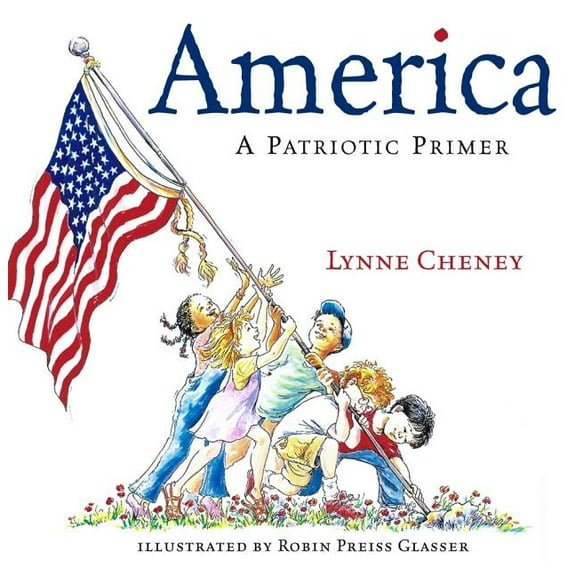
Children's history books can help you place people, events, and inventions in sequence through timelines and story-based chapters. You can look for eras, historical figures, or local and national themes that match assignments.
Civics books for kids can introduce rules, rights, responsibilities, elections, and how communities work together. You can use these books when you want clear examples of government roles and everyday citizenship.
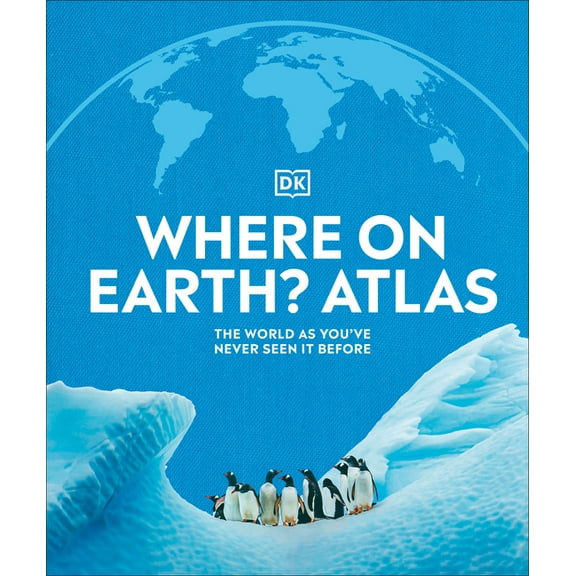
Kids' geography books often use maps, regions, landforms, and country profiles to explain places and people. You can compare atlases, place-based readers, and visual guides when location-based learning matters most.
Cultural studies for children can help you explore traditions, languages, celebrations, and daily life across communities. You can choose inclusive titles that broaden perspective while staying understandable for your reader's stage.
- You can support classroom learning with history, civics, geography, and culture topics.
- You can match content depth to reading ability, from picture-led books to chapter-based nonfiction.
- You can encourage discussion with biographies, timelines, maps, and community-centered examples.
What to look for in format and learning approach
Format changes how your child interacts with the material, so you should compare durability, portability, and reading style. You can choose hardcover, paperback, board book, or ebook based on routine and reading habits.
Board books work well when you need sturdy pages and short attention-friendly sections for younger readers. You can keep early concepts accessible with pictures, simple labels, and repeatable read-aloud pacing.
Hardcover books can suit home libraries and repeated rereading when you want a longer-lasting option. Paperbacks can feel lighter in backpacks, reading bins, and classroom sharing setups.
Ebooks can help you keep social studies reading available on tablets or other devices during travel or homework time. You can switch quickly between topics when your child studies multiple units.
Your learning approach matters just as much as format, because structure affects comprehension and interest. You can compare picture books, biographies, narrative nonfiction, and activity books to fit the way your child learns.
Picture books help you introduce social studies ideas through illustrations, captions, and short passages. Biographies help you connect big historical themes to one person's life and choices.
Narrative nonfiction can give you a story flow while staying grounded in facts, dates, and real places. Activity books can add maps, prompts, and writing spaces when you want hands-on engagement.
Matching kids' social science books to school and home use
You may want educational books for kids that align with lessons, projects, or independent reading goals. You can check whether a title supports history units, civics discussions, geography practice, or culture-based assignments.
For classroom support, you can look for glossaries, indexes, chapter breaks, and timelines that make information easier to review. You can also compare text density and illustration levels before choosing a reading level.
At home, you might pair children's history books with family reading time, museum visits, or holiday discussions. You can make abstract topics feel concrete through stories about communities, leaders, and landmarks.
If your child learns visually, you can prioritize maps, archival images, diagrams, and illustrated spreads. If your child reads independently, you can choose fuller chapters and topic-driven series with stronger detail.
During late summer, you may also compare back to school history books with civics and geography titles. You can build a home shelf that supports class readiness without losing reading interest.
When you compare kids' social science books this way, you can narrow choices with more confidence and less guesswork. You can end up with books that fit reading level, subject goals, and everyday learning routines.