

Short Stories for Kids in Children’s & Kids’ Books
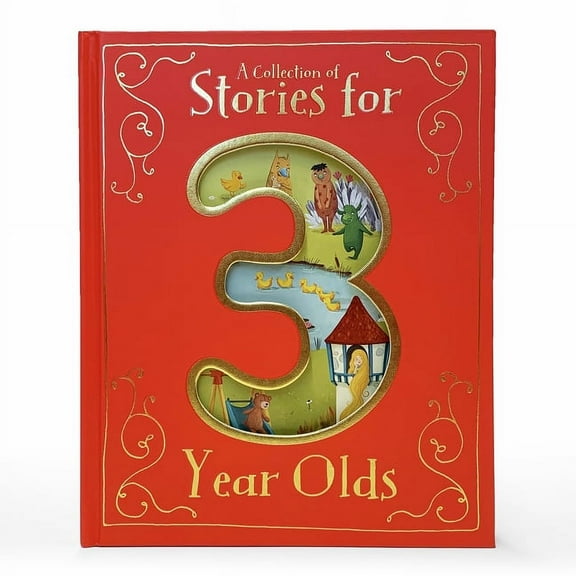




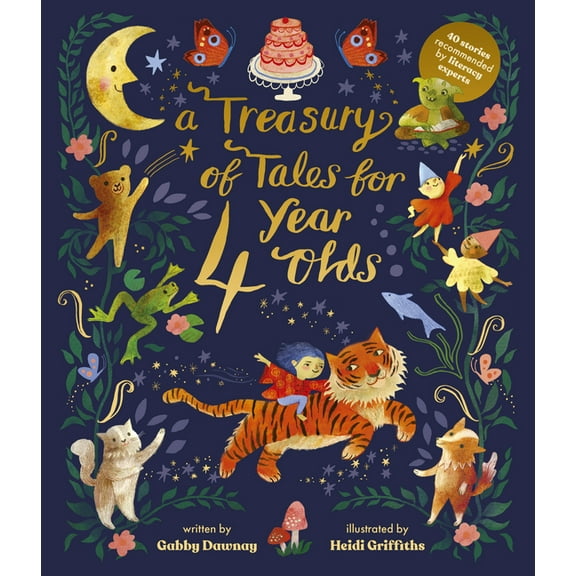
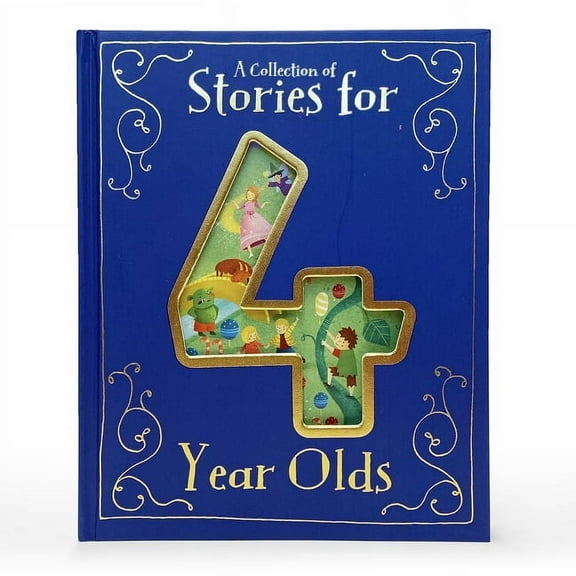
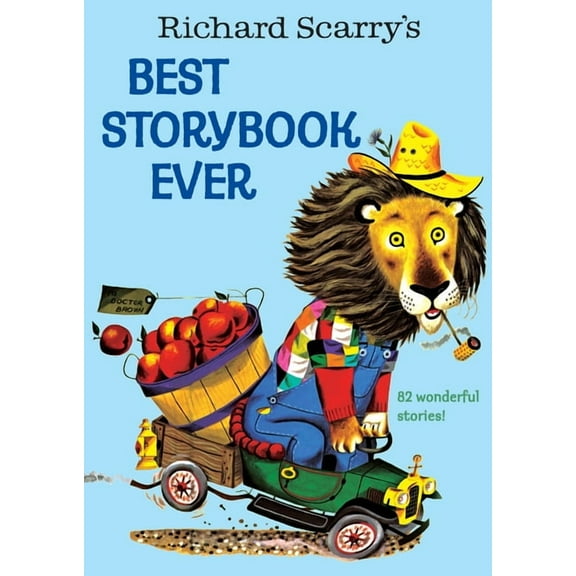
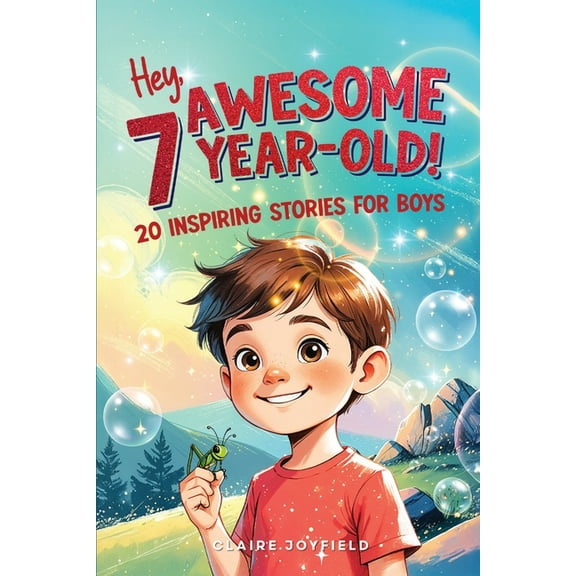


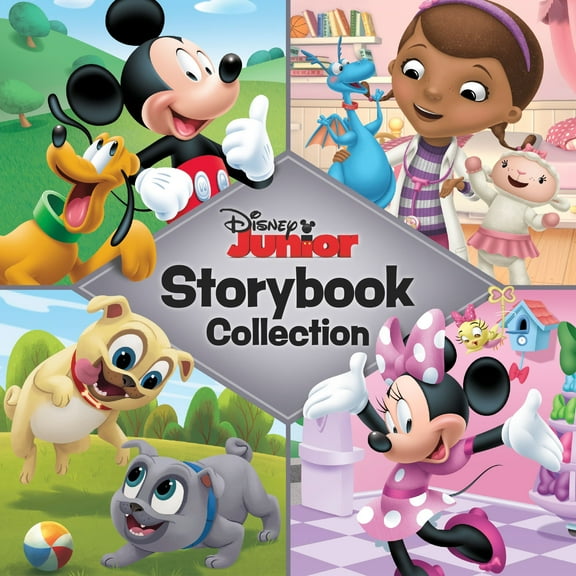
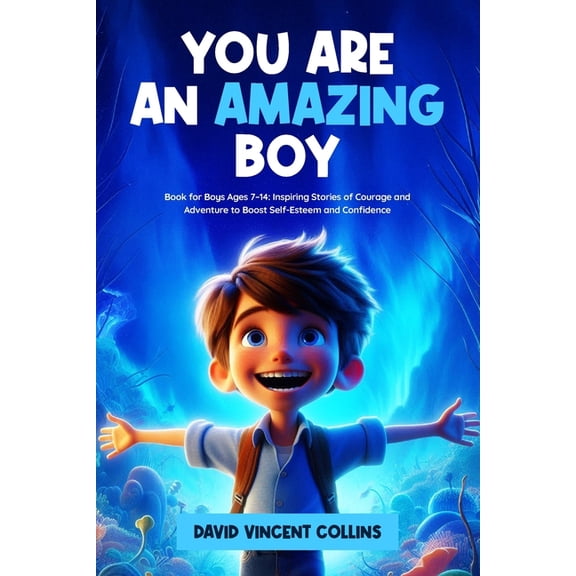



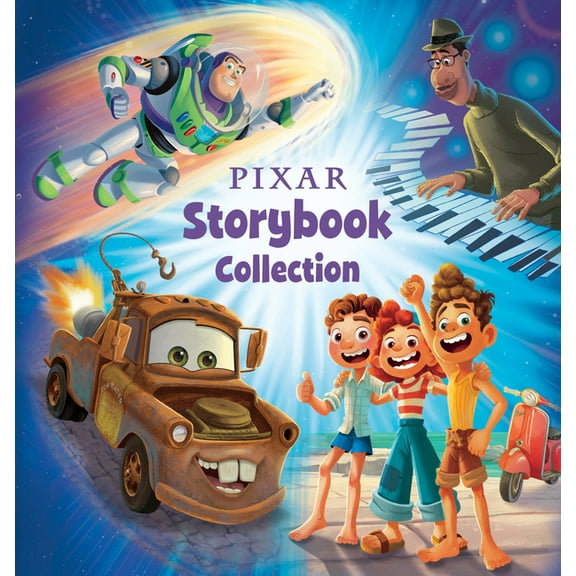
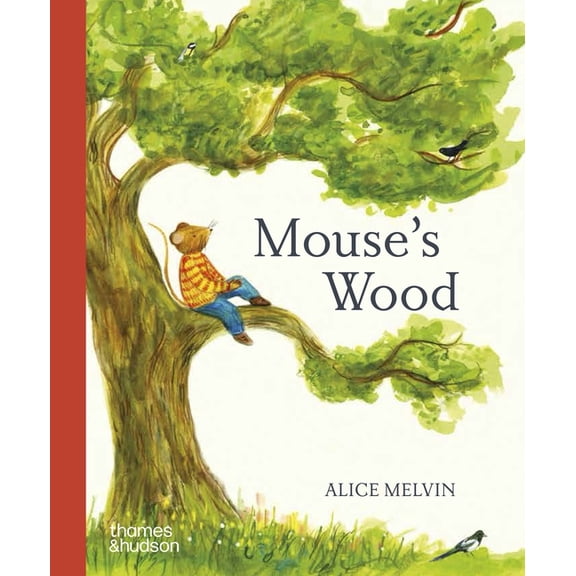

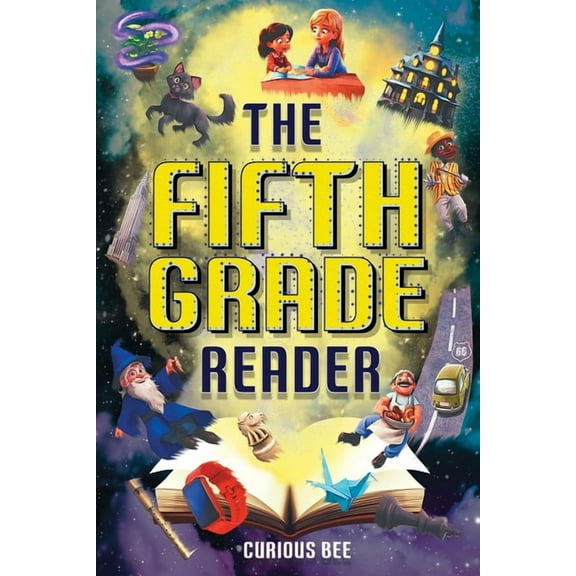
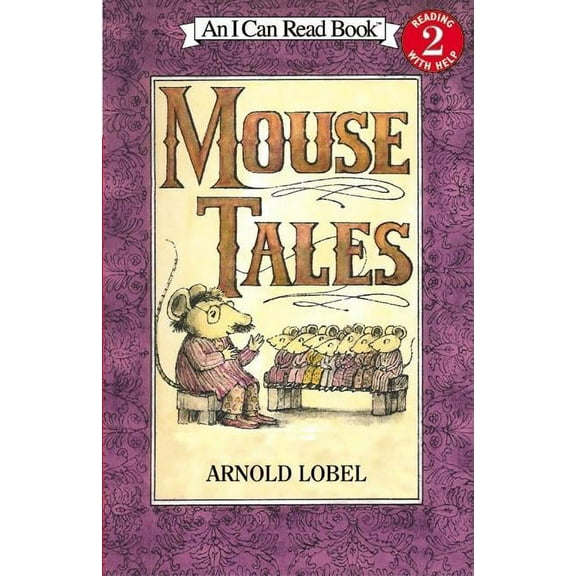


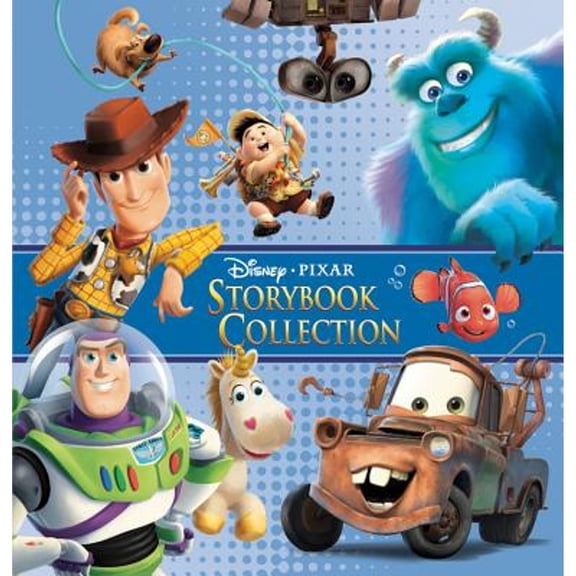


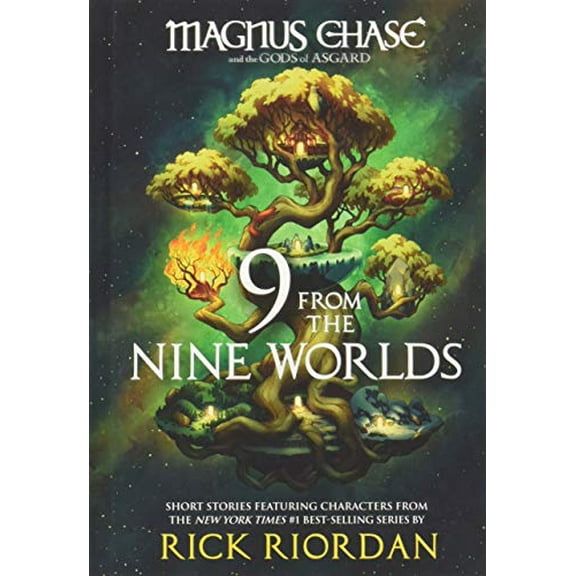


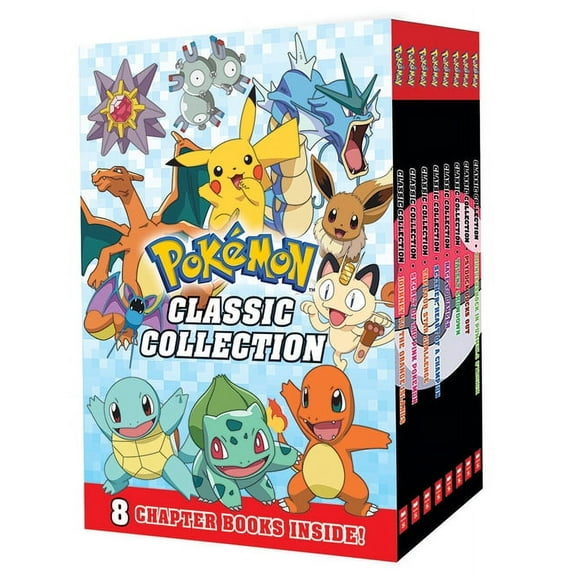
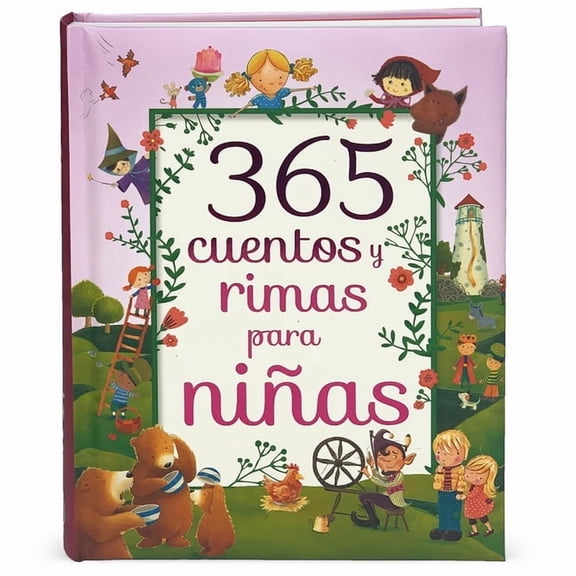


About Short Stories for Kids in Children’s & Kids’ Books - Walmart.com
When you choose short stories for kids, you can match reading time, age range, and themes to your child’s routine. You’ll find quick read-aloud options, picture-heavy formats, and collections that fit bedtime, classrooms, and quiet time.
If you’re building a home library, you can use this category to compare story length, format, and reading level. You can also narrow your choice by themes like animal tales, fairy tales, adventure, and dino tales.
How to choose short stories for kids
You should start with your child’s age range and current attention span. You’ll usually want simpler vocabulary for toddlers and longer plots for middle grade readers.
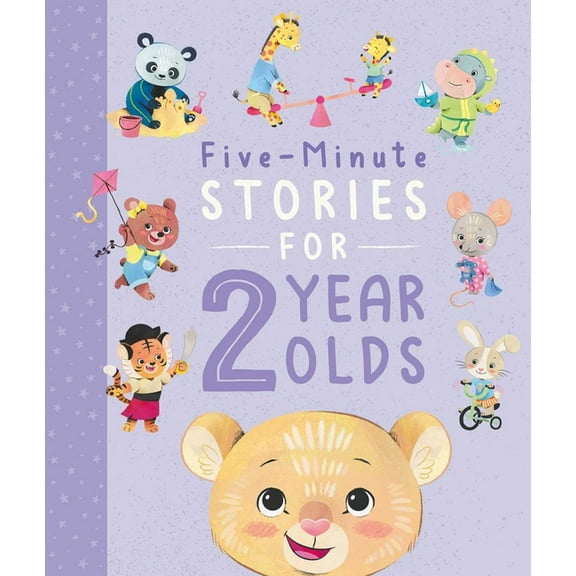
For toddlers, you may prefer books for 2 year olds with sturdy pages and bold pictures. For preschool readers, you can look for repeated phrases and short scenes.
As your child gains confidence, you can compare early readers and middle grade collections by sentence length and chapter structure. You can often notice early readers use larger print and shorter paragraphs.
- You can match story length to bedtime, car rides, or classroom read-aloud time.
- You can choose picture books or board books when your child responds to visual storytelling.
- You can compare adventure, fairy tales, scary stories, and animal tales by theme and tone.
- You can pick anthologies when you want many short reads in one book.
Choosing age range, format, and reading length
You should check whether the book fits toddlers, preschool children, early readers, or middle grade readers. You can enjoy a smoother reading experience when the vocabulary matches your child’s stage.
If you’re choosing for toddlers, board books can help you handle frequent page turns and short attention spans. If you’re choosing for older readers, paperback anthologies can offer more stories per collection.
You can compare picture books with text-light pages against hardcover collections with denser stories. You’ll want more illustrations when your child follows images, not long blocks of text.
Story length matters when your routine has a firm stopping point. You can look for five-minute stories, 10-minute stories, or quick read-alouds that fit naps and bedtime.
If you read aloud after school, you may want short children books that finish in one sitting. If your child reads independently, you can choose kids short books with slightly longer plots.
Comparing themes in short children books
You should consider theme before you choose a title for home or classroom use. You can align stories with your child’s interests, seasonal reading, or favorite characters.
Animal tales often work well when your child enjoys playful plots and familiar creatures. Adventure stories can give you faster pacing, simple quests, and exciting page turns.
If you want calmer reading, bedtime stories often use gentle rhythms and cozy scenes. If your child likes imaginative settings, fairy tales can bring castles, magic, and classic story patterns.
You can also compare scary stories by age and reading confidence. You’ll want lighter suspense for younger readers and more layered tension for older children.
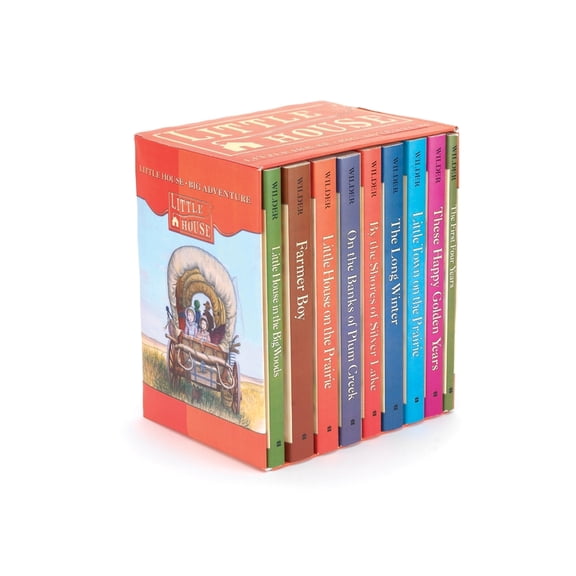
Theme-specific browsing can also help when your child asks for dinosaurs, trucks, or houses. You may notice dino tales or little house themes appear in short story books for kids more often than expected.
Using short kids books for everyday routines
You can use short stories during bedtime when you need a complete beginning, middle, and ending before lights out. You’ll appreciate a shorter format when your evening schedule feels packed.
For classrooms and group reading, you can choose stories with clear pacing and easy stopping points. You may find collections useful when you want one book for several reading moments.
Travel days can also become easier when you pack short kids books instead of longer novels. You can finish one story during a wait, then start another without losing the thread.
If you’re shopping for emerging readers, you can compare books with larger print and supportive illustrations. You’ll often see these features in short children books for ages six through eight.
You may also browse by gift need when you want books for 7 year old boys or mixed-age siblings. You can use age range, theme, and format together to find a book that feels easy to share.
What to look for before you decide
You should measure page style, illustration density, and story count before you choose a collection. You can often tell whether a book fits read-aloud time by checking the format first.
When you want one dependable category for family reading, short stories for kids give you flexible choices across ages and themes. You can build a routine that feels manageable, engaging, and easy to repeat.