

Imagination and Play Kids Books Collection

















About Imagination and Play Kids Books Collection - Walmart.com
Imagination play kids books help you turn story time into active, creative fun. You can choose titles that invite pretend roles, hands-on pages, and age-based storytelling from the start.
When you shop this category, you can focus on books that support make-believe through prompts, characters, and playful scenes. You’ll also find formats that fit toddlers, preschoolers, early readers, and kids ages six to eight.
Choosing imagination play kids books by age group
You should start with age appropriateness because your child’s attention span and story complexity change quickly. You’ll usually want shorter text and sturdier pages for toddlers, then longer plots for older kids.
For toddlers, you may prefer board books, simple actions, and familiar themes like animals or everyday helpers. You can keep little hands engaged with pages built for repeated opening, pointing, and naming.
Preschoolers often enjoy pretend jobs, costume play, and short adventures with clear story steps. You can look for books that invite speaking, acting, and choosing what happens next.
Early readers may want simple sentences they can follow without losing the playful theme. You can support reading practice while keeping role play books exciting and easy to imagine.
Kids ages six to eight often enjoy richer fantasy, bigger adventures, and more detailed characters. You can choose stories that leave room for dramatic voices, follow-up play, and retelling.
How to compare pretend play books for kids
You can use pretend play books for kids to encourage storytelling that continues after the last page. You’ll often notice stronger engagement when a book gives your child a role to imagine.
- You can encourage make-believe with books about shops, schools, rescue teams, and family routines.
- You can support conversation with scenes that invite questions, choices, and character voices.
- You can extend reading time with stories that naturally lead into dress-up or toy play.
- You can match themes to your child’s interests, from animals and adventure to fantasy and everyday heroes.
Unlike a standard read-aloud, these books often give you prompts that spark action and pretend dialogue. You can turn a firefighter page, a bakery scene, or an animal adventure into a full play session.
You may also want books that help your child practice social-emotional learning through characters and roles. You can talk through feelings, cooperation, and everyday moments in a playful, story-led way.
Choosing interactive storybooks and formats
You should compare interactive storybooks with standard hardcover or paper formats before you decide. You’ll want a format that fits your child’s attention span, reading habits, and hands-on style.
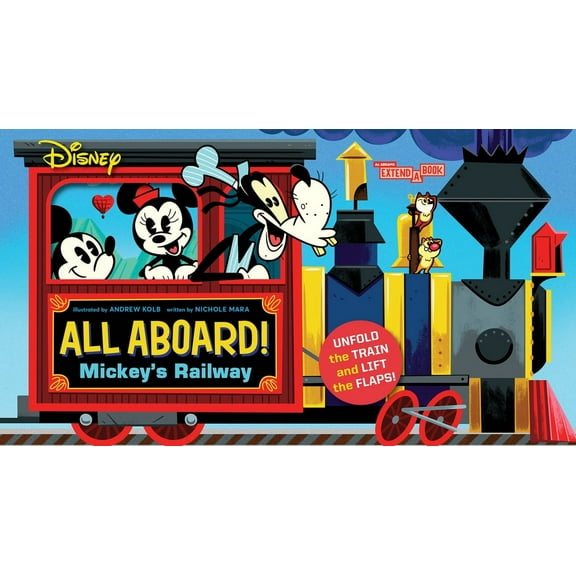
Lift-the-flap books can keep younger children focused because each page gives them something to do. You can use flaps to reveal characters, clues, or playful surprises during the story.
Sound books can add another layer of participation when your child enjoys pressing buttons and matching sounds to scenes. You should check whether that extra interaction supports attention instead of distracting from the story.
Hardcover books can work well when you want a sturdier option for repeated reading at home. You may also prefer thicker pages for younger kids who still turn pages with enthusiasm.
Interactive formats shine when you want more than passive listening during story time. You can keep children involved through touching, lifting, pressing, pointing, and acting along with the plot.
Durability matters too, especially when your child returns to favorite pages every day. You can compare page thickness, cover style, and construction based on how often your child handles the book.
Matching play themes to your child’s interests
You can narrow your choice faster by comparing themes that already hold your child’s attention. You’ll often get more repeat reading when the story connects with current play patterns.
Fantasy themes can work well when your child enjoys dragons, castles, magical creatures, or enchanted settings. You can build on the story later with costumes, voices, and pretend quests.
Adventure themes may fit children who like movement, discovery, and action-filled story lines. You can use those books for energetic read-alouds that lead into treasure hunts or explorer play.
Everyday heroes themes often include teachers, veterinarians, builders, and community helpers your child recognizes. You can make those stories feel familiar while encouraging role playing based on real-world routines.
Animal themes can be especially engaging when your child already loves pets, farm life, or wild creatures. You can use those books to inspire sounds, movement, and imaginative habitats during play.
Using imagination play kids books for daily routines
You can use imagination play kids books during bedtime, quiet time, classroom reading, or travel. You’ll appreciate how easily a short story can shift into pretend play without extra setup.
At home, you can pair a story with puppets, dress-up bins, or simple household props. You can turn a bakery book into a pretend menu game or a rescue story into a helper mission.
In preschool or early learning spaces, you can use books to introduce group roles and shared storytelling. You’ll find that interactive reading often supports turn-taking and cooperative play.
For independent readers, you can choose stories that encourage retelling after you close the book. You can invite your child to change the ending, add a new character, or act out a favorite scene.
When you want books that do more than fill shelf space, this category gives you practical ways to match age, format, theme, and play style. You can create story time that feels more active, more memorable, and easier to revisit.