







Children’s Books: Ages 3 - 4


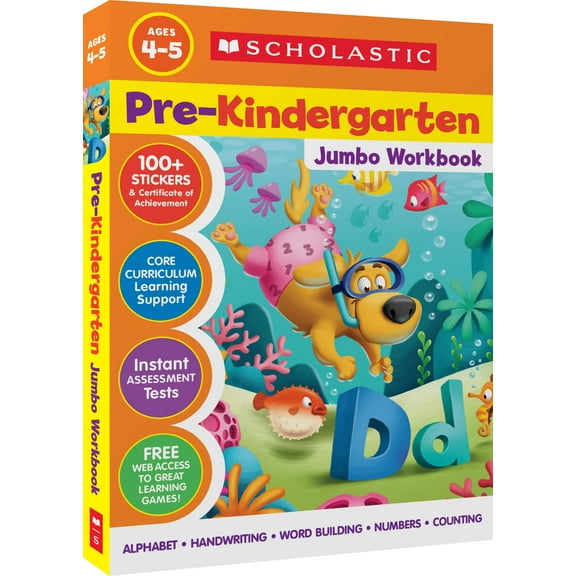
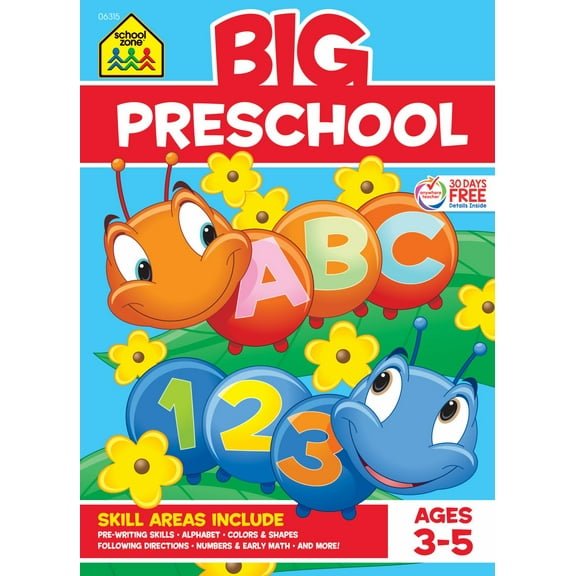

















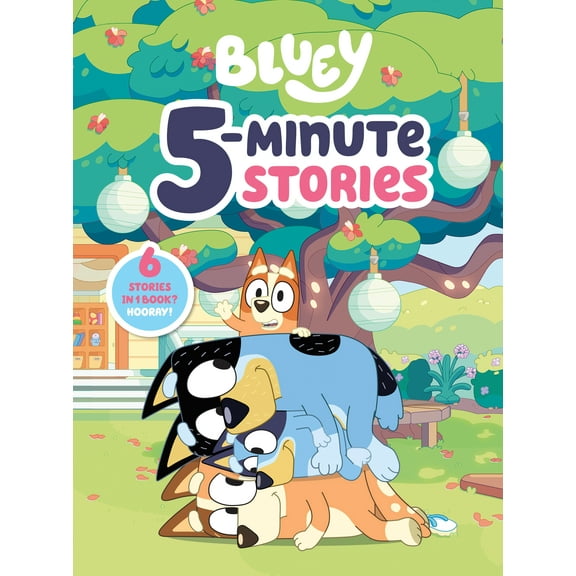
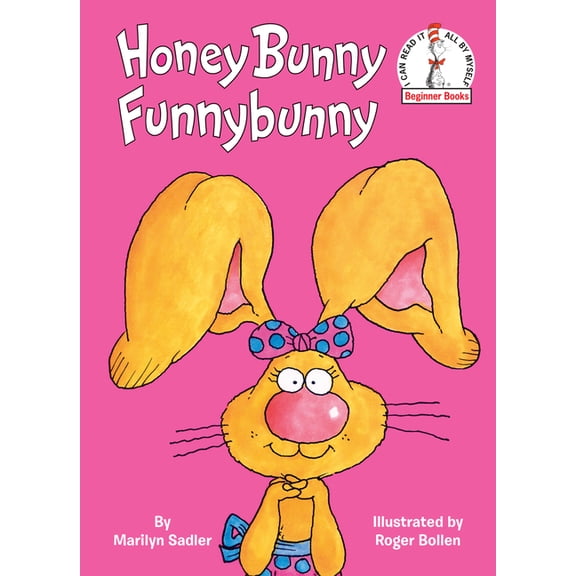


About Children’s Books: Ages 3 - 4 - Walmart.com
Toys for 3-4 year olds help you match playtime to preschool milestones. You can compare learning, outdoor, and pretend-play options that fit curious hands and growing imaginations.
At this age, you may look for toys that support sharing, sorting, building, and active movement. You can also narrow choices quickly by material, theme, and simple setup details before you choose.
How to choose toys for 3-4 year olds
You may want age-appropriate playthings with clear labeling for preschool use. You can check choking hazard warnings, BPA-free certification, battery details, and assembly notes before you choose.
When you compare toddler toys age 3-4, you can look for open-ended play patterns. You can get more ways to match a toy to solo play, sibling play, or group play.
- You can pick learning toys that support matching, counting, and letter recognition.
- You can choose outdoor toys that encourage running, balance, and backyard play.
- You can find board games that introduce turn-taking and simple rules.
- You can select stuffed animals that support comfort, pretend stories, and role play.
You may also want toys that keep hands busy without complicated directions. You may often notice preschoolers stay engaged for extended periods with repeatable actions and colorful themes.
Choosing toy type and developmental focus
If you’re comparing toy type first, consider how your child likes to play. You can start with learning toys, outdoor toys, board games, or stuffed animals.
Learning toys for 3 year olds often focus on sorting, stacking, tracing, and simple problem solving. You can use these options for quiet play, table time, and early preschool routines.
Board games work well when you want shared play with simple turns and short rounds. You can help little players practice waiting, following directions, and celebrating each move.
Outdoor toys for 3 year olds fit active afternoons, driveway play, and backyard exploration. You can encourage movement, coordination, and confidence through tossing, riding, or chasing games.
Stuffed animals and pretend-play toys support storytelling and everyday role play. You can build social skills when you model sharing, caring, and conversation through play scenes.
When you compare developmental focus, look for fine motor, cognitive, social, or creative play goals. You can match each toy to the skill you want to encourage.
Fine motor toys often include lacing, building, peg play, or chunky puzzles. You can support hand-eye coordination and finger control through repeated grasping and placing.
Cognitive development toys may include matching games, sequencing sets, and shape sorters. You can give preschoolers practice with patterns, memory, and cause-and-effect thinking.
Creative play options work well when you want art, pretend kitchens, costumes, or themed figures. You can give kids space to invent stories with dinosaurs, animals, space, princesses, or superheroes.
What to look for in materials and setup
You should compare materials because preschool play can be busy and hands-on. You can choose wooden, plastic, plush, or silicone styles based on cleanup and feel.
Wooden toys for 3 year olds often feel sturdy and classic for stacking, puzzles, and train play. You may prefer wood when you want a solid feel and simple shapes.
Plastic toys can work well for bright colors, wipe-clean surfaces, and outdoor use. You can often find lightweight pieces that are easy to carry from room to room.
Plush toys give you soft textures for cuddling, pretend care, and quiet time. You can choose them when comfort and character themes matter most.
Silicone details may appear on sensory toys or flexible parts. You should still check age labeling and construction before handing a toy over.
Durability matters when you expect drops, tossing, and repeat play. You can look for smooth edges, secure pieces, and sturdy connections that feel ready for daily use.
Setup can shape your choice just as much as theme or color. You may want clear notes about batteries, sound features, and any assembly before play begins.
If you prefer quick starts, choose toys with simple unpacking and few loose parts. You can also compare battery-free options for travel, car rides, and easy storage.
Matching toys for 3-4 year olds to everyday moments
You can narrow your options quickly when you shop by occasion and routine. You may want one toy for quiet mornings and another for active afternoons.
For birthdays, you might choose building sets, pretend-play kits, or themed figures with broad replay value. Birthday toys for 3 year olds often work well when they invite immediate play.
For seasonal gifting, you may want holiday toys for 3 year olds that feel festive and easy to wrap. You can focus on compact games, plush characters, or creative sets.
If you’re shopping for educational toys for 4 year olds, look for early counting, patterning, and memory activities. You can support preschool practice in a playful format.
When you need gifts for 3 year old boys or gifts for 4 year old girls, theme can guide you. You can choose dinosaur toys for 3 year olds, animal sets, space play, princess toys, or superhero playsets.
Travel days call for toys with fewer pieces and easier cleanup. You can appreciate compact board games, plush companions, and simple activity toys during errands or visits.
Playdates often go smoothly when you choose toys built for shared turns and group stories. You can use board games, pretend kitchens, or animal figures to support social moments.
Backyard time works well with ride-ons, bubble play, toss games, and water-friendly toys. You can help keep preschoolers moving while giving them space to explore and repeat actions.
You can feel more confident when your choice matches age labeling, play style, and setup expectations. The right pick helps you bring home play that fits preschool energy and everyday routines.