






Baby - Age 2 Kids’ Books in Children’s & Kids’ Books














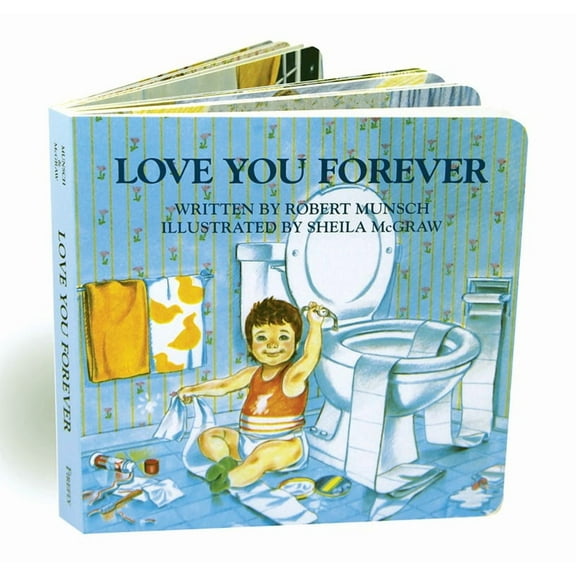
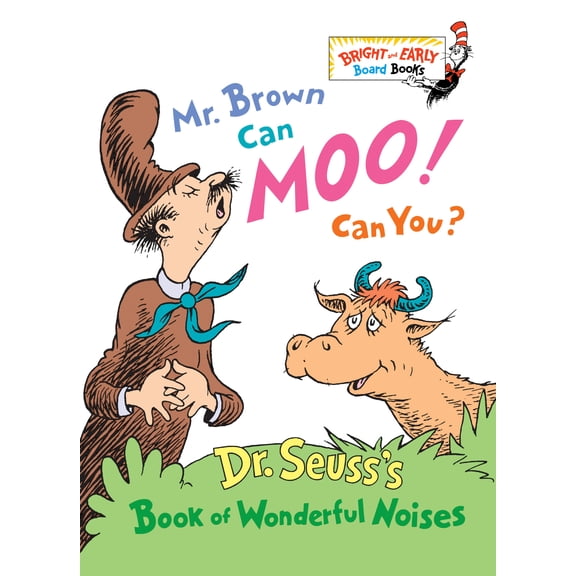

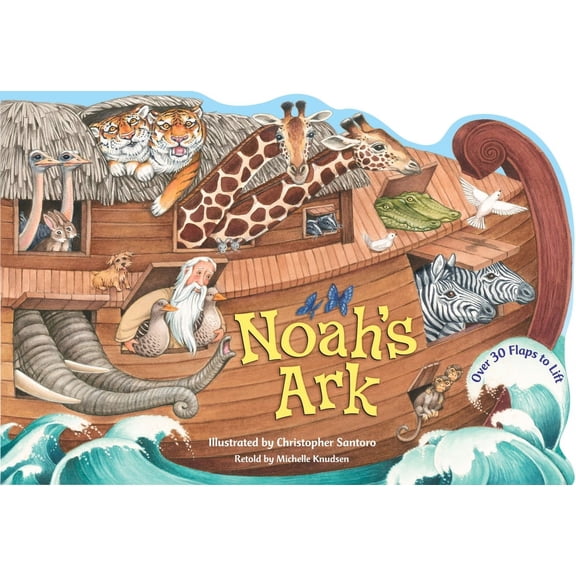
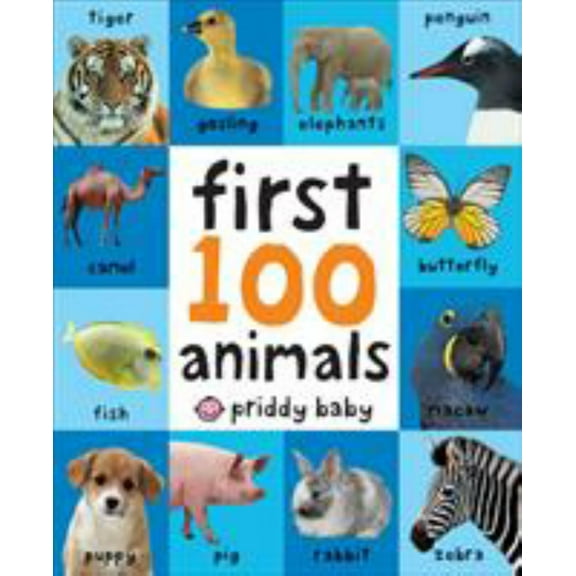



About Baby - Age 2 Kids’ Books in Children’s & Kids’ Books - Walmart.com
With baby books age 2 selections, you can match short attention spans, sturdy pages, and early learning goals in one place. You can choose books built for daily rereads, little hands, and simple stories that fit your child's stage.
How to choose baby books age 2
At this age, you need books that keep up with grabbing, flipping, and repeated story time. You should look for clear pictures, few words per page, and topics your child already notices.
You'll often narrow your choice by format, theme, and interaction level before anything else. You can use those details to find titles that fit playtime, bedtime, or quick reading between routines.
Choosing toddler board books and other formats
You may start with board book construction because thick pages are easier for small hands to turn. You can also look for rounded corners and sturdy covers when you expect frequent use.
If you want a lighter option for read-aloud time, you can compare paperback and hardcover formats. You should keep simpler paper pages for more guided reading, since your child may still tug and bend.
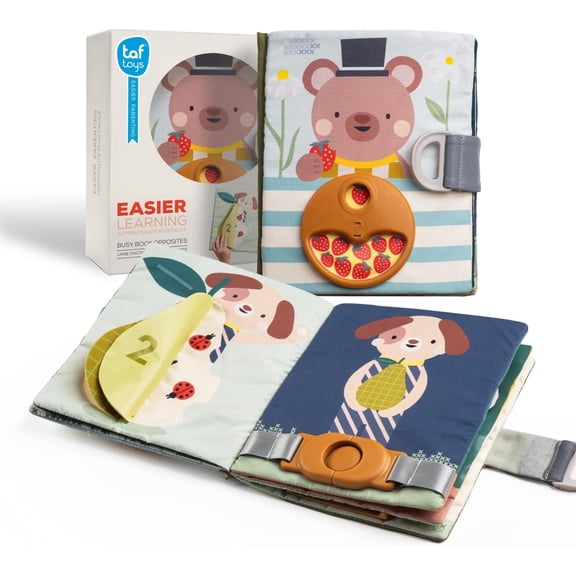
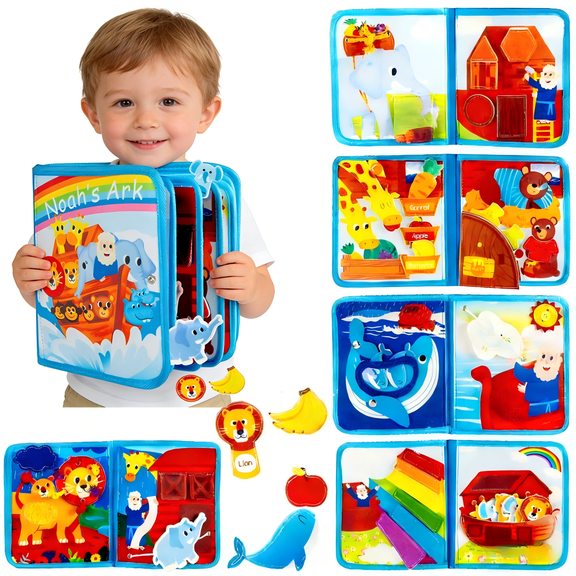
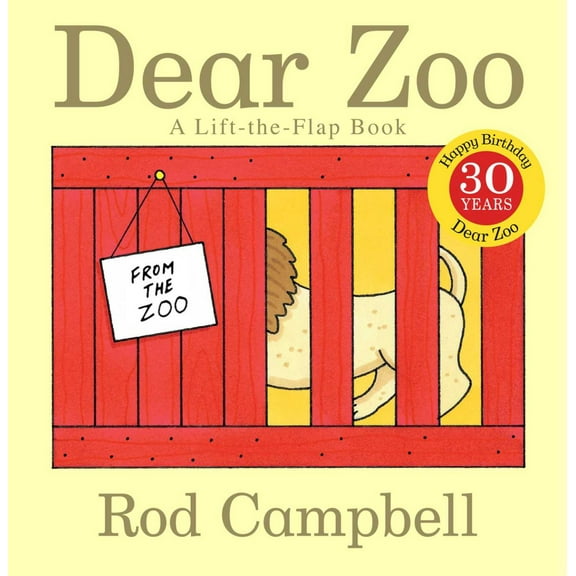
Lift-the-flap and touch-and-feel formats add hands-on play to each page turn. You can hold attention longer when your child gets to open flaps or explore different textures.
- You can choose board books for everyday handling and repeat reading.
- You can pick touch-and-feel books when your child likes textures and sensory play.
- You can use lift-the-flap books to encourage pointing, guessing, and page turning.
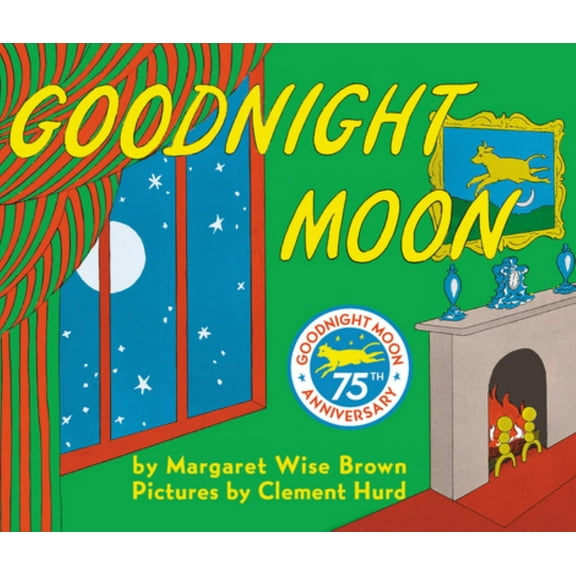
- You can keep bedtime books for toddlers nearby when you want calm, short reads before sleep.
What themes work for books for 2 year olds
You can often get stronger engagement when the subject connects to familiar daily life. You may notice animals, vehicles, bedtime, first words, and numbers hold attention because your child can recognize them quickly.
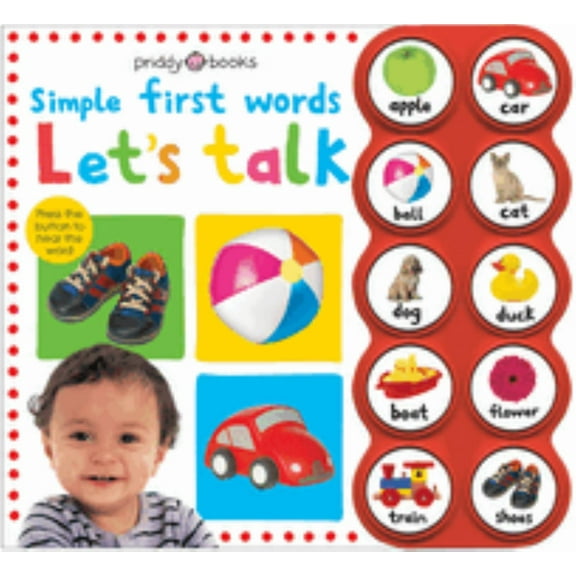
When you choose first words books, you help your child connect pictures with spoken language. You can also use numbers and shapes books for quick naming practice during short reading sessions.
Bedtime themes work well when you want gentle pacing and predictable page flow. You can use those stories to build a repeatable evening routine without introducing long plots.
What to look for in educational focus
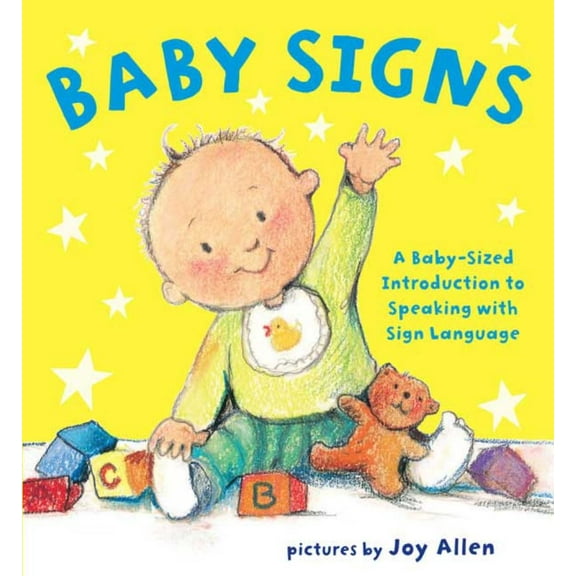
You can compare books by the skill they support during reading time. You may want vocabulary practice, sensory exploration, motor skill participation, or social-emotional moments with familiar expressions.
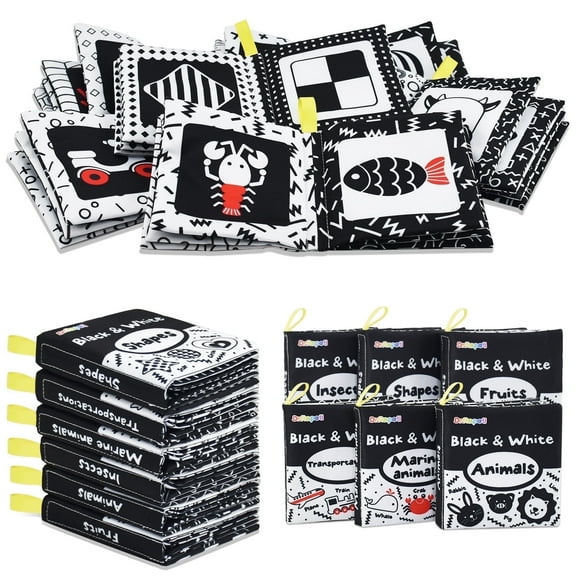
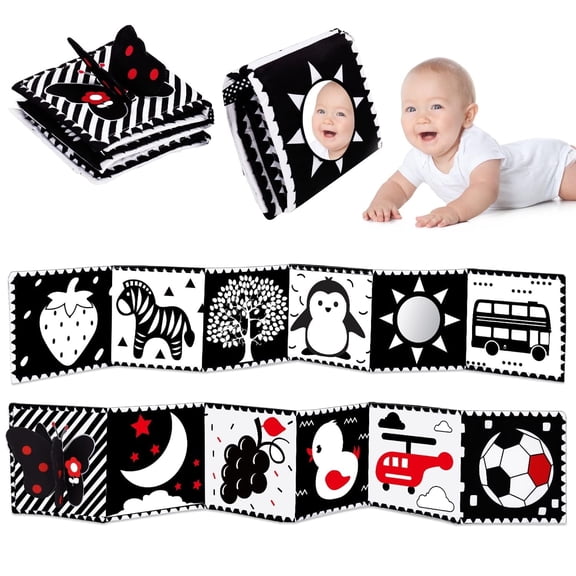
Sensory books for babies and young toddlers often include textures, bright contrasts, and simple prompts. You can use those features to encourage pointing, touching, and naming without overwhelming your child.
Language acquisition titles usually keep words short, repetitive, and easy to echo. You can build confidence when your child hears the same object names, action words, and sounds again.
For social-emotional learning, you can choose stories about sharing, feelings, family, or everyday routines. You can make those books part of conversations about faces, gestures, and simple choices.
Comparing interactive baby books for attention span
You should consider engagement level carefully because two-year-olds often move quickly from one activity to another. You can hold focus with bright illustrations, simple text, and one clear action per spread.
Interactive baby books may include sound buttons, flaps, textures, or bath-friendly pages. You can match those features to your child's habits, whether you read at bedtime, during play, or around bath time.
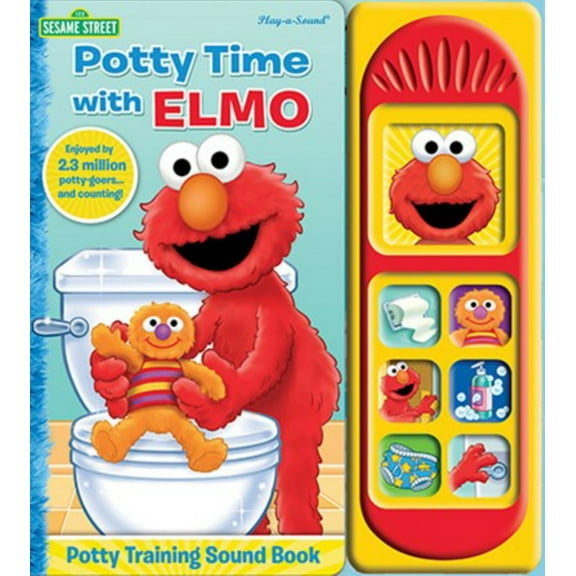
Sound buttons can reward tapping and repeating words when your child likes cause-and-effect play. You should check whether the book keeps the text simple, so the sounds support reading instead of distracting from it.
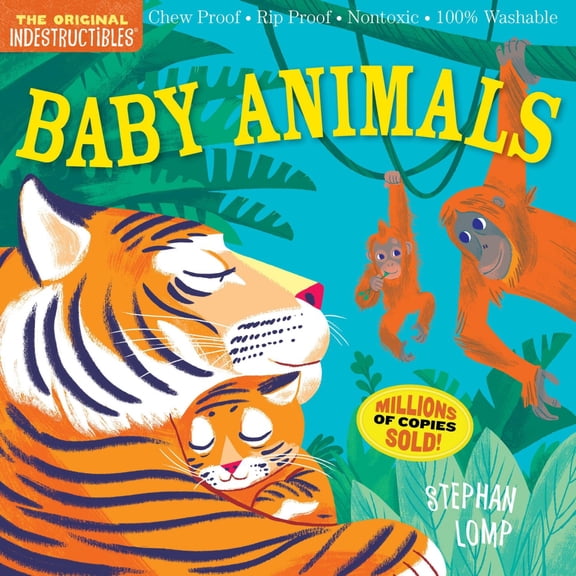
Bath-friendly books can work when you want a washable format for water play and routine transitions. You can also use texture books during quiet time when your child prefers hands-on exploration over longer stories.
Using durability and reading level as your final check
You can make a smarter choice by checking durability and age fit together. You should look for board book construction, non-toxic ink, and rounded corners when daily handling matters most.
Reading level matters just as much as the cover style or feature set. You can keep story time smoother with simple sentences, familiar objects, and page counts that suit short bursts of attention.
If you want a reliable starting point, you can focus on books for 2 year olds with sturdy pages and clear illustrations. You get easier rereads, stronger routine support, and more chances to build early language through everyday reading.