








Action Adventure Books for Kids













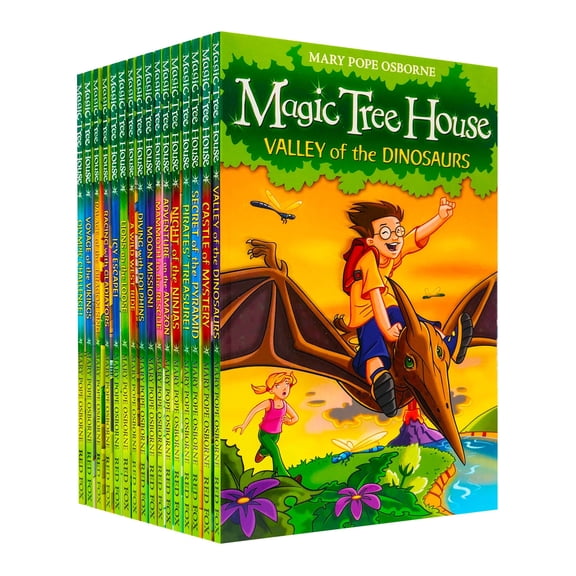

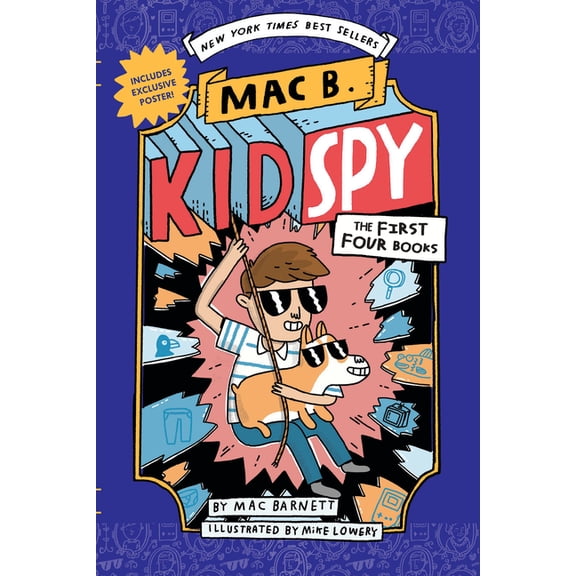
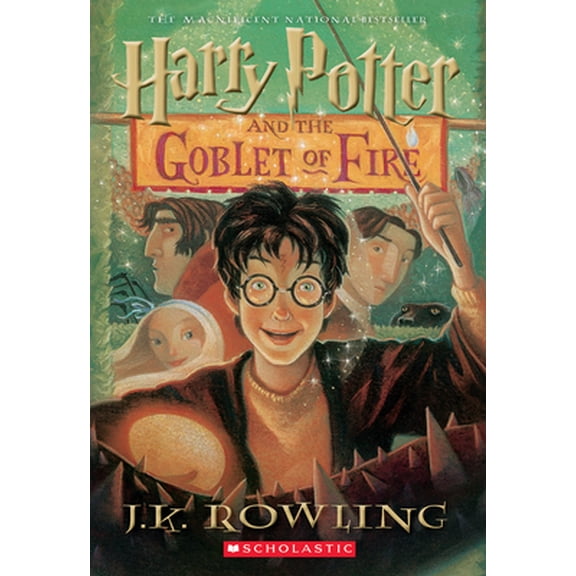

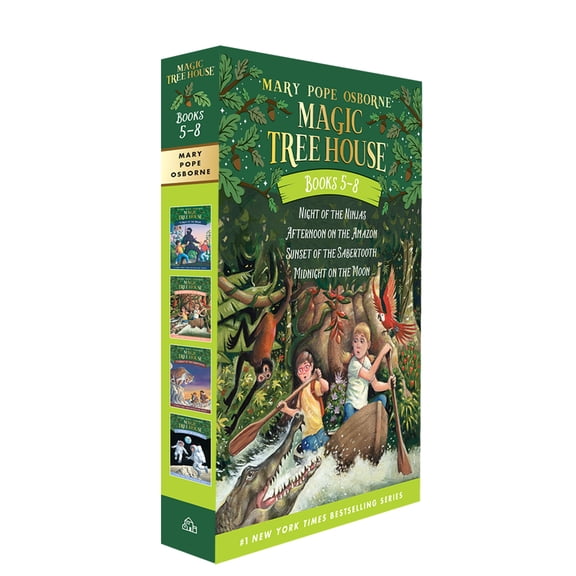


About Action Adventure Books for Kids - Walmart.com
Action adventure kids books help you match fast-moving stories to your child's age, reading level, and favorite themes. You'll find page-turning picks with survival plots, fantasy quests, mysteries, and superhero action that fit different stages of reading.
If you're choosing for a new reader or a confident middle grade reader, you can use category details to narrow the right fit. You'll also spot formats and series options that make repeat reading easier for your family.
How to choose action adventure kids books
You can start with age range because story length, pacing, and content tone often shift with each stage. You'll usually want shorter plots and clearer stakes for Ages five to seven.
For Ages eight to 10, you may look for chapter books with bigger missions, stronger friendships, and longer story arcs. For Ages 11 to 12 and teens, you can compare deeper world-building, layered mysteries, and extended series.
You should also compare reading level with age, because the two don't always match. You'll often see early reader titles for practice, chapter books for growing stamina, and middle grade stories for longer reading sessions.
Benefits of adventure books for kids
You can use adventure books for kids to keep reading time exciting, especially when your child wants motion, danger, and discovery on the page. You'll notice that fast plots can hold attention through cliffhangers, chases, and mission-based chapters.
These stories also help you match interests more closely than a general fiction shelf. You'll find survival journeys, magical expeditions, secret clues, and caped heroes that feel specific to your child's taste.
- You can choose age-based story intensity, so your child gets action that feels engaging and easy to follow.
- You can compare formats like paperback, hardcover, box set, and audiobook for your reading routine.
- You can align sub-genres with hobbies, from wilderness survival to fantasy kingdoms and puzzle-driven mysteries.
- You can pick standalone titles or longer series when your child wants one story or ongoing characters.
You may also appreciate how kids action books work across independent reading and read-aloud time. You'll often get short bursts of suspense, strong chapter endings, and clear goals that support nightly reading habits.
What to look for in format and series options
You can compare paperback and hardcover based on how and where your child reads. You'll often prefer paperback for lighter carrying, while hardcover can feel sturdier for frequent handling.
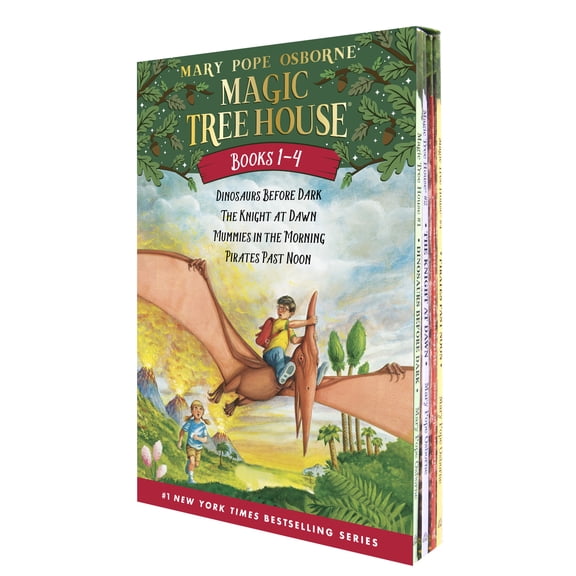
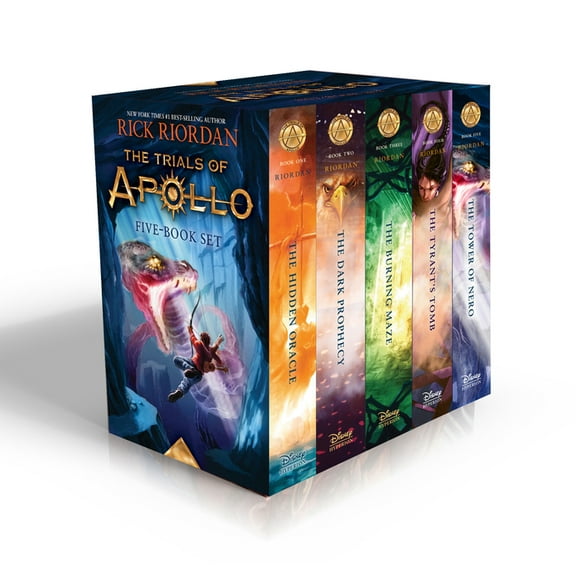
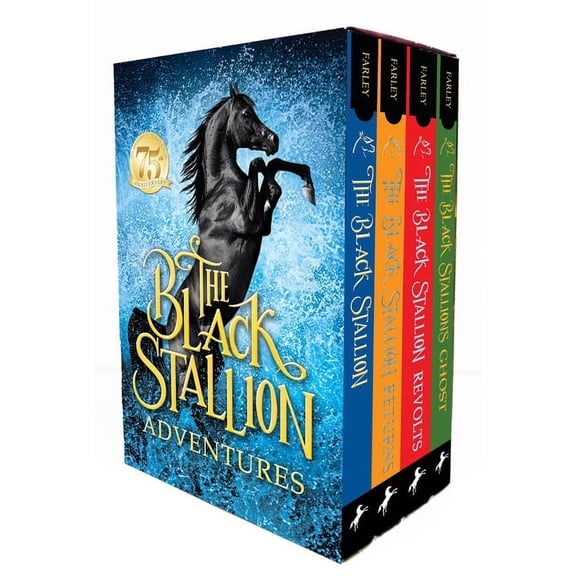
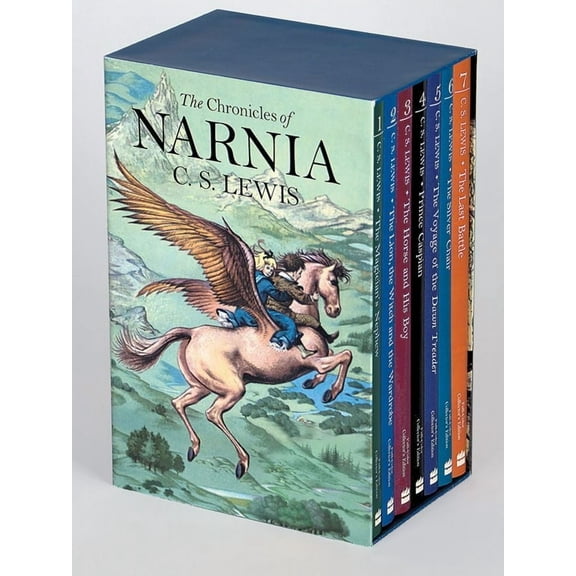
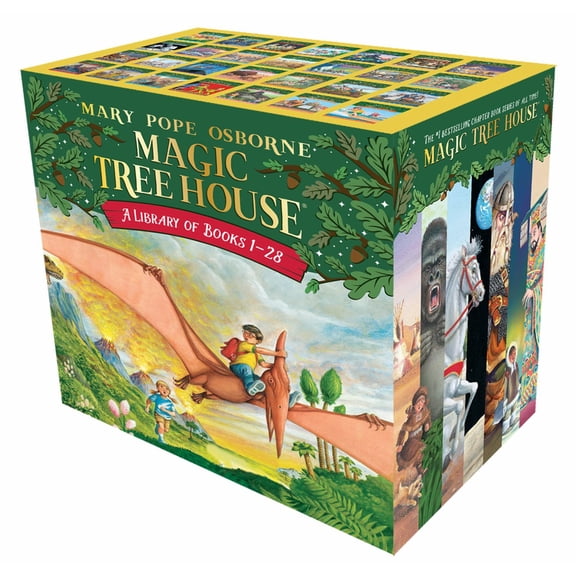
If you're building a gift set or planning several weeks of reading, you may consider a box set. You'll get connected stories or related titles that keep characters and settings familiar from one book to the next.
You can also check whether an audiobook fits your routine for car rides, quiet time, or shared listening. You'll have a useful option when your child enjoys hearing character voices and dramatic pacing.
Another key choice is standalone versus series. You may want a single complete story for a school break, or you may prefer recurring heroes for steady reading momentum.
When you compare kids chapter books adventure options, you should check page count and chapter length. You'll usually want shorter chapters for newer readers and longer arcs for confident readers.
Choosing sub-genres and reading levels
You can narrow action adventure kids books faster when you start with sub-genre. You'll often see survival stories built around nature, endurance, and problem solving in high-pressure settings.
If your child likes magic, creatures, or invented worlds, you may compare fantasy adventure titles. You'll usually get quests, hidden powers, and imagined lands that stretch across multiple books.
If your child prefers clues and secrets, you can look at mystery-driven adventures. You'll find coded messages, missing objects, and twisty discoveries that keep each chapter moving.
Superhero stories can fit readers who want clear villains, bold missions, and team dynamics. You'll often see these books mix action scenes with identity, courage, and responsibility.
Reading level matters just as much as theme. You can use early reader options for simple sentences, chapter books for building confidence, and middle grade titles for fuller plots.
You'll also want to compare illustrations, text density, and chapter structure. Those details help you decide whether adventure stories for children will feel approachable during independent reading.
How to match books to real reading moments
You can choose shorter, illustrated adventures for bedtime when your child needs quick progress and a satisfying stopping point. You'll often find early reader and shorter chapter formats work well here.
For school breaks or weekend reading, you may choose a longer quest or mystery with recurring characters. You'll give your reader more time to settle into a world and follow a bigger mission.
If your family spends time in the car, you can compare audiobook editions with energetic narration and distinct voices. You'll make travel time feel more engaging without adding screen time.
For gift giving, you may prefer hardcover editions or box sets that feel easy to wrap and easy to continue. You'll have a clear path when your child finishes one book and wants the next.
If your child reads across genres, you can rotate survival, fantasy adventure, mystery, and superhero themes. You'll keep interest fresh while still staying inside a familiar action-focused category.
When you're choosing for siblings, you can compare age range and reading level first, then match sub-genre second. You'll make it easier to find books that feel exciting and readable for each child.
With the right mix of age range, format, sub-genre, and reading level, you can choose stories that feel exciting from the first chapter. You'll make reading time easier to sustain with adventures that fit your child's stage and interests.