

Animal Kids Books for Young Readers
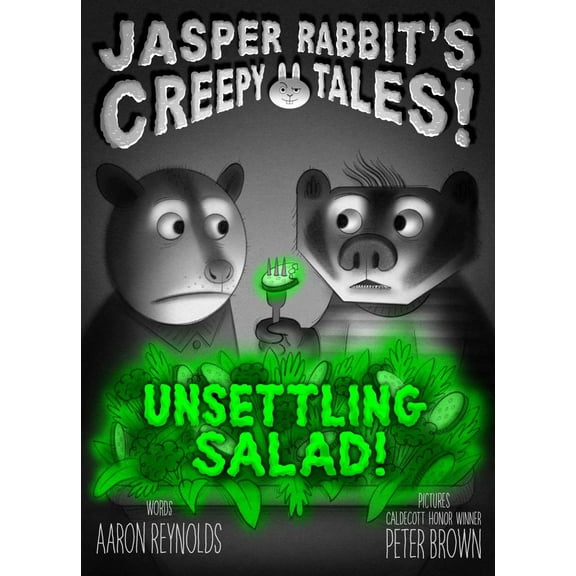


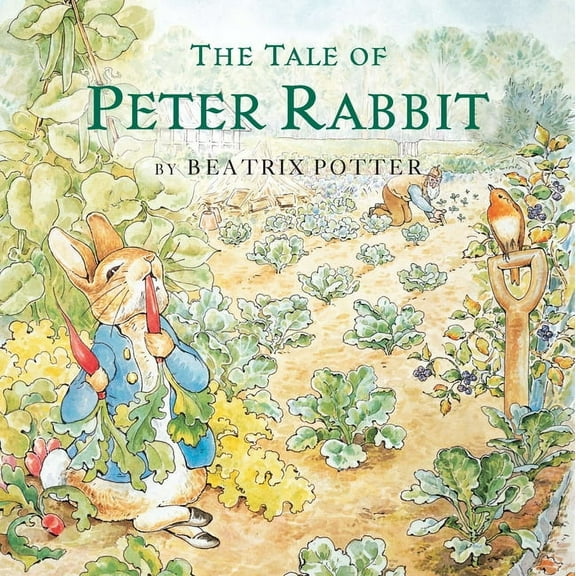















About Animal Kids Books for Young Readers - Walmart.com
Children's animal books help you match story time to your child's age, interests, and reading stage. You can compare formats, themes, and learning focus to choose books that fit daily reading routines.
If you're building a home library, you can use this page as a quick guide to age-appropriate animal stories. You'll find options that support baby read-alouds, toddler page turning, and independent reading practice.
How to choose children's animal books
When you choose children's animal books, you'll want to start with format and reading level. You can often narrow choices faster when you compare board books, picture books, paperback editions, and hardcover editions.
Board books work well when your child enjoys sturdy pages and short read-aloud sessions. Picture books give you larger illustrations and fuller stories that keep preschool and early elementary readers engaged.
Paperback choices can suit older readers who carry books in backpacks or reading bins. Hardcover editions can appeal when you want a keepsake feel for repeated bedtime reading.
- You can pick board books for toddlers when you want thick pages and simple animal words.
- You can choose picture books about animals when your child follows longer plots and detailed art.
- You can compare paperback and hardcover formats when your reader needs portability or a sturdier shelf copy.
- You can focus on educational animal books when you want stories tied to sounds, habitats, or early concepts.
Choosing animal books for kids by age group
Age group usually shapes your decision more than any other detail. You can make reading smoother when you match sentence length, page count, and book construction to your child's stage.
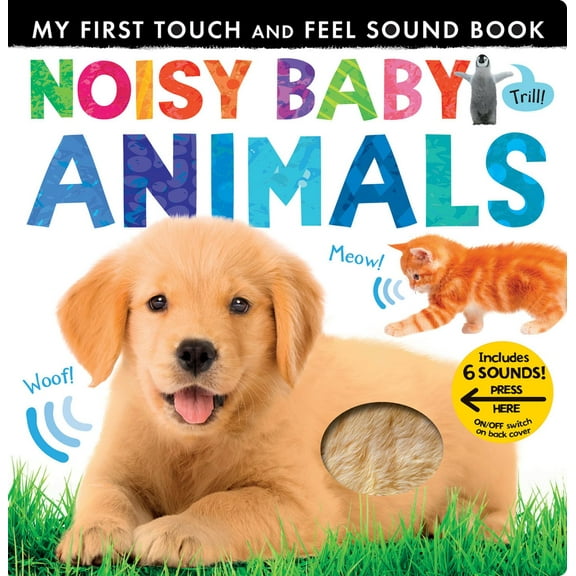
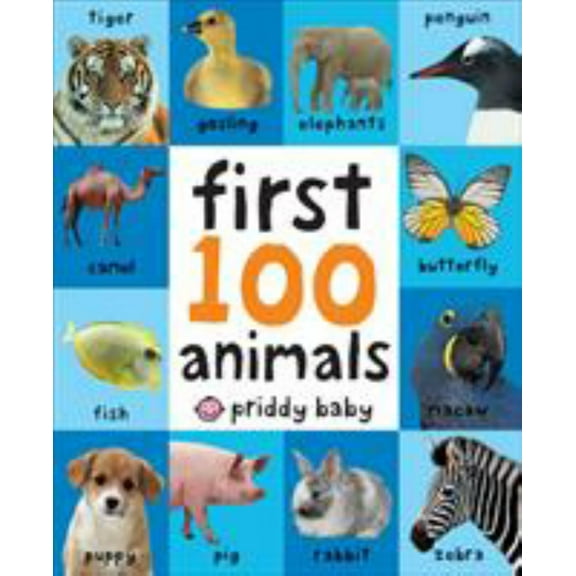
For babies from zero to two, you may prefer baby animal books with bold pictures and few words. You can also look for sound words, simple naming text, and easy page turns.
For ages three to five, toddler animal books often include repetition, playful rhymes, and familiar creatures. You can hold attention with lift-the-flap pages, touch-and-feel details, or animal sounds built into the story.
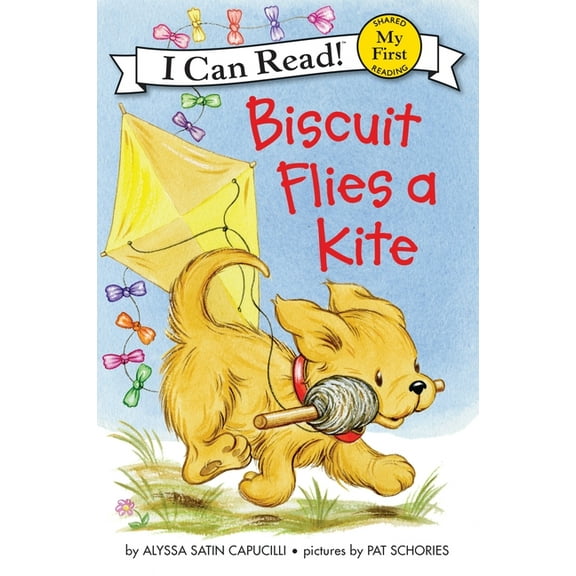
Early readers from six to eight often need clear text spacing and simple story progression. You can support reading confidence with animal books for kids that balance pictures with short sentences.
Middle grade readers from nine to 12 may want deeper facts, longer plots, or chapter-based adventures. You can compare wildlife stories, pet stories, and habitat topics to match independent reading interests.
What to look for in format and interactive features
Format affects how your child handles the book and how you use it during reading time. You should compare durability, page style, and interactive elements before choosing a title.
Board books suit heavy handling because your child can grip thick pages more easily. You can use them for stroller bags, bedtime baskets, and repeat reading without worrying about thin paper.
Picture books support shared reading because you can point to illustrations and talk through each scene. You may find that large artwork helps your child connect animal names with actions and settings.
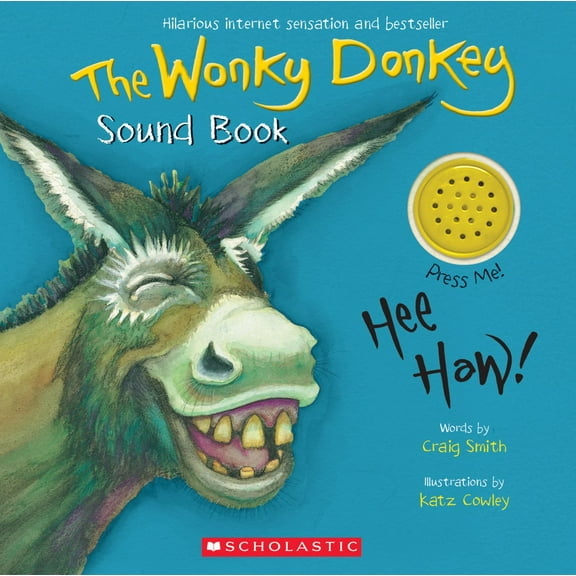
Interactive details can change the reading experience in useful ways. You can look for lift-the-flap pages, touch-and-feel textures, or sound buttons when your child learns through hands-on play.
Standard story formats can still work well when your reader wants a calmer pace. You can choose straightforward pages when your child is ready to focus on plot, vocabulary, and character moments.
Comparing animal themes and educational focus
Animal theme helps you match books to your child's current interests. You can compare farm animals, ocean creatures, wild safari stories, and pet-centered tales to keep reading sessions familiar and fun.
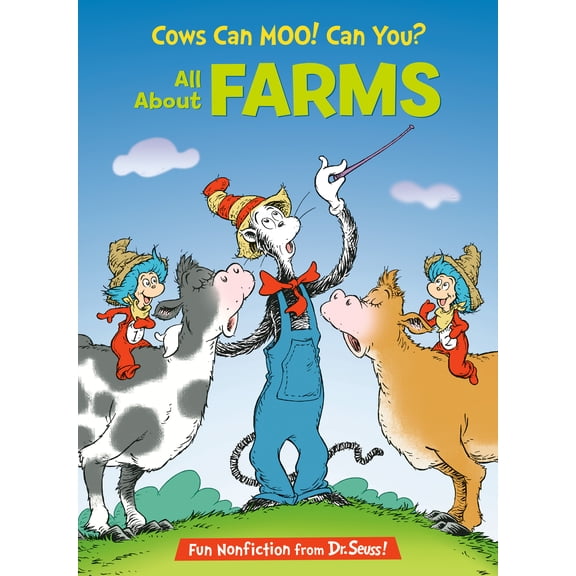
Farm animal books for toddlers often feature simple names, repeated sounds, and everyday settings. You can use those stories to reinforce animal recognition during early language practice.
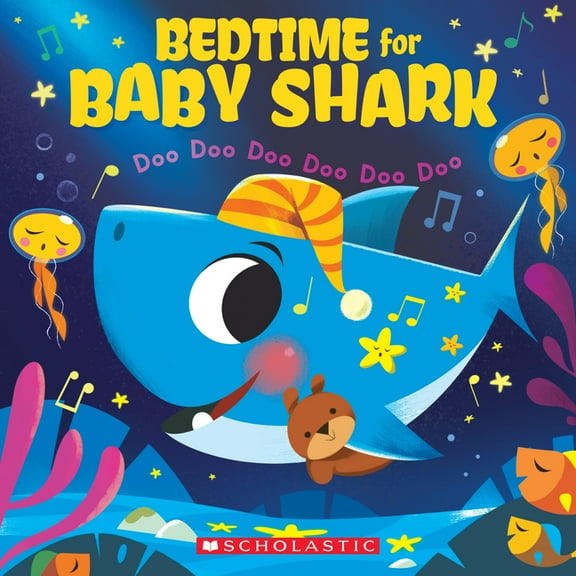
Ocean creature books can introduce whales, sharks, turtles, and reefs through colorful art. You may like these titles when your child enjoys underwater scenes and nature topics.
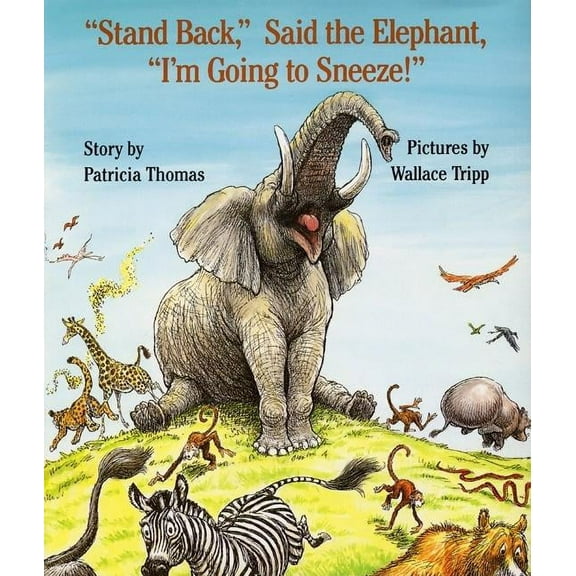
Wild safari themes often bring lions, elephants, zebras, and giraffes into longer adventures. You can use those books when your reader wants action, exploration, and broader habitat ideas.
Educational focus matters when you want books to support school skills or daily learning moments. You can look for alphabet and numbers themes, animal sounds, habitats and science, or social-emotional learning.
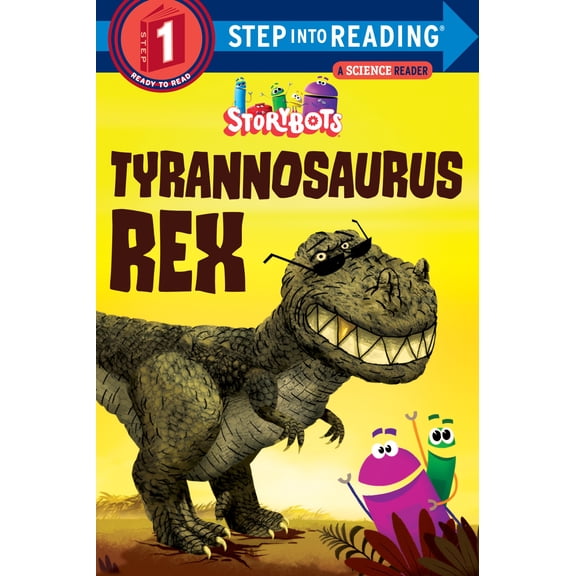
Animal books for school may work well when your child needs classroom-friendly topics and clear nonfiction elements. You can also choose stories that blend facts with narrative for a smoother learning experience.
Matching children's animal books to everyday reading moments
You can use children's animal books in many routines, from bedtime to classroom reading logs. Your choice may depend on whether you want a quick read, an interactive activity, or a more detailed story.
For short evening routines, you might choose baby animal books or board books with gentle rhythm. You can finish a complete story quickly while keeping pages simple and easy to revisit.
During preschool reading time, you may want toddler animal books with flaps, textures, or sound prompts. You can turn story time into a participatory activity that keeps little hands involved.
For library-style reading at home, picture books about animals can support longer discussions and vocabulary building. You can pause on each spread to talk about habitats, colors, and animal behavior.
When your older child reads alone, paperback or hardcover animal stories can fit independent practice. You can also choose educational animal books that connect to science units, report topics, or seasonal classroom themes.
With the right mix of format, age fit, theme, and learning focus, you can choose children's animal books with more confidence. You'll create reading time that feels engaging, age-appropriate, and easy to repeat.