

Children's Poetry Books for Kids






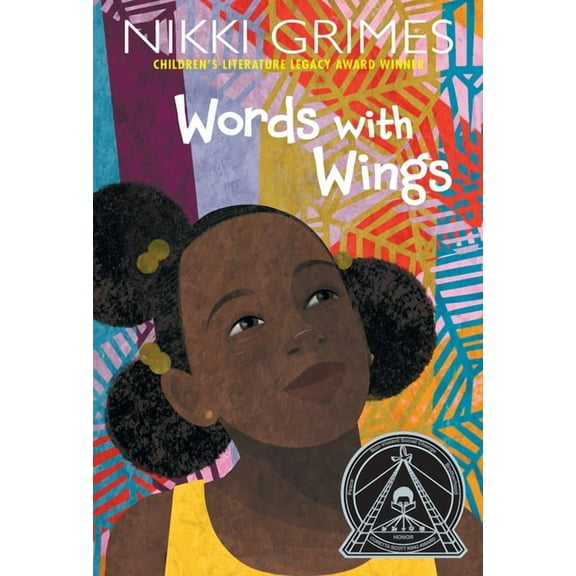













About Children's Poetry Books for Kids - Walmart.com
You can explore poetry for kids by age, style, theme, and format, so your reading time feels engaging, manageable, and easy to repeat. You'll find short lines, strong rhythm, and flexible reading moments that suit bedtime, classrooms, and quiet afternoons.
If you're choosing books that invite rereading, poetry gives you quick reads with memorable sounds and playful structure. You can keep attention steady because poems often deliver complete ideas in just a few lines.
Choosing poetry for kids by age range
You should start with age range because vocabulary, poem length, and repetition shape how smoothly your child follows each page. You'll usually want simpler language for younger readers and more layered wording for older readers.
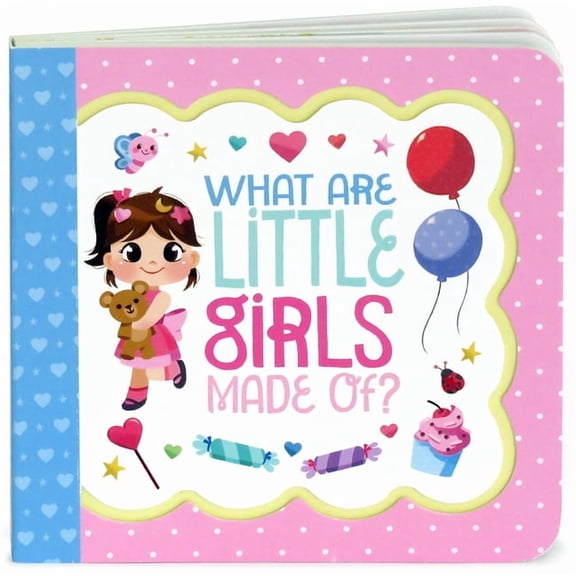
For toddlers, you may look for board books with short verses, bright pictures, and repeating sounds. You can turn pages quickly, point to pictures, and revisit favorite lines without losing focus.
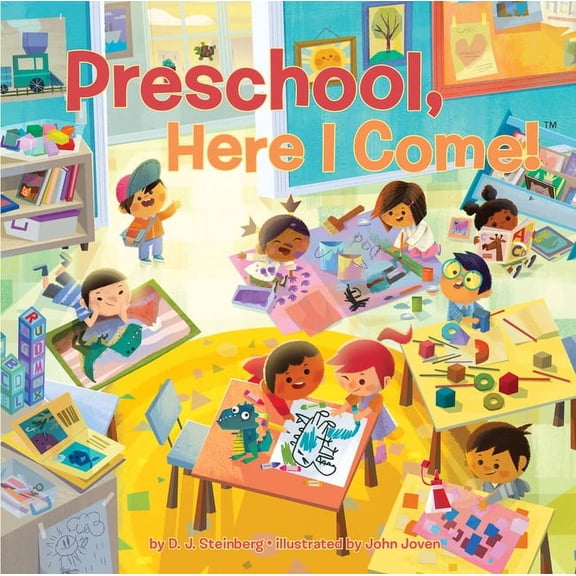
With preschool readers, you may compare nursery rhymes and rhyming books for kids with familiar words and steady patterns. You can reinforce sound recognition when each poem feels easy to hear and repeat.
For ages six to eight, you may consider short collections with playful language, simple free verse, or light humor. You can support independent reading when poems stay approachable and still introduce fresh imagery.
For ages nine to 12, you may look for anthologies, haiku, or longer poems with richer themes. You can encourage deeper discussion when the writing offers more detail, stronger imagery, and thoughtful pacing.
What to look for in children's poetry books
You should compare visual engagement because pictures matter differently as reading skills grow. You'll often want bold illustrations for younger children, while older readers may focus more on the poem text.
Durability also matters when you match format to daily use. You can choose a board book for little hands, a hardcover for repeated shelf use, or a paperback for easier carrying.
Tone shapes engagement just as much as reading level. You can keep interest high when you match funny poems for kids, nature poems, or bedtime pieces to your child's favorite subjects.
- You can use short poems for quick bedtime reading when your schedule feels full.
- You can introduce rhyme and rhythm through nursery rhymes, limericks, and other repeating forms.
- You can match visual style to age, with bigger pictures for younger readers and denser text for older readers.
- You can choose formats that fit everyday use, from board books to audiobooks.
You may also want to check whether a collection mixes classic pieces with newer voices. You can add variety to reading time when familiar poems sit beside fresh themes and playful language.
Comparing style and theme in poetry for kids
You should compare poetry style because each form creates a different reading experience. You'll often notice rhyming poems feel playful, while free verse can feel looser and more reflective.
If you want predictable sound patterns, you can look for rhyming books for kids and nursery rhyme collections. You can make read-aloud time more interactive because repeated endings invite participation.
When you want compact structure, you may consider haiku collections with nature or seasonal themes. You can introduce poetic form in a gentle way because each poem stays brief and focused.
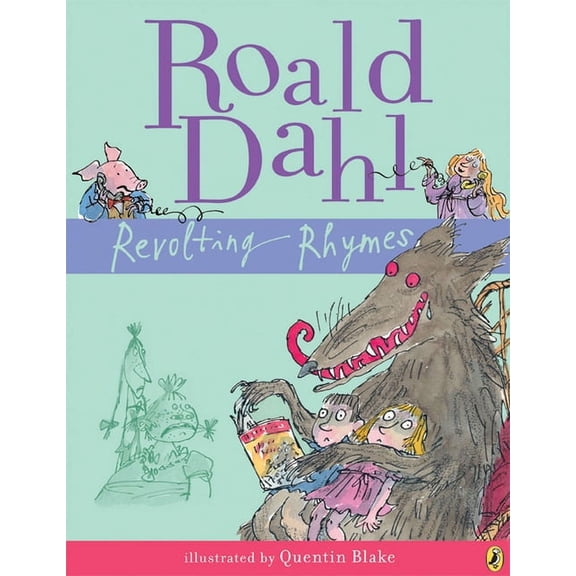
If humor is highly important, you can explore limericks and funny poems for kids with lively wording. You'll often keep reluctant readers engaged when the language feels silly, surprising, and easy to share aloud.
Theme also guides your choice when you want books that fit a routine or interest. You can choose bedtime poems for calm reading, animal poems for playful curiosity, or classic selections for familiar lines.
How you can use poetry books for children
You can use poetry books for children at bedtime when you want a complete reading experience in just a few minutes. You'll find short poems especially useful when your evening routine needs flexibility.
In classrooms or homeschool lessons, you can use poems for read-aloud practice, memorization, and discussion. You can introduce rhyme, imagery, and line breaks without asking students to finish long passages.
If your child likes playful reading, you can rotate humorous collections into independent reading baskets. You'll often hold attention longer when the page count feels approachable and the tone feels lively.
For seasonal tables or nature units, you may choose haiku and classic nature poems. You can connect reading time to weather, animals, and outdoor observation through vivid but compact language.
When you're building a home library, children's poetry books add variety beside storybooks and nonfiction. You can offer quick reading wins, memorable lines, and shared recitation that feel different from longer narratives.
You may also use audiobooks during car rides or quiet time when your child prefers listening first. You can reinforce rhythm and pronunciation by hearing a narrator read each line with pacing and expression.
Choosing the right format for your routine
You should check how you will use the book before you choose a format. You'll narrow options faster when you compare page durability, portability, and how long each reading session usually lasts.
With the right poetry for kids, you can bring more rhythm, repetition, and enjoyable reading into everyday moments. You'll come away with books that feel easy to revisit and rewarding to share.