

Nature and Earth Science Books for Kids













About Nature and Earth Science Books for Kids - Walmart.com
Nature books for children help you turn curiosity about animals, weather, and rocks into age-appropriate reading that fits school and home learning. You can use this category to compare reading levels, subject focus, and book formats before you choose titles for your child.
You may want bright illustrations for early readers or fact-packed pages for older kids who love science details. You’ll also find category guidance that makes sense for toddlers, preschoolers, ages five to eight, and ages nine to 12.
How to choose nature books for children by age range
Age range is often your first decision because your child’s reading ability and attention span shape the right pick. You’ll usually want simpler words, sturdy pages, and shorter page counts for younger readers.
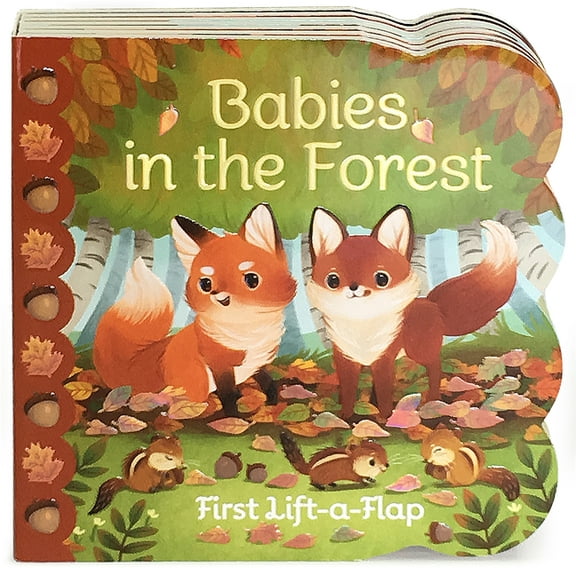
For toddlers, you may look for board book formats with large pictures, basic nature words, and familiar outdoor themes. You’ll often see animals, seasons, and simple habitats that match early language growth.
Preschool readers often enjoy patterned text, labeled illustrations, and simple story flow that keeps facts easy to follow. You can choose books that introduce weather, plants, or insects without long blocks of text.
For ages five to eight, you may compare early nonfiction, story-based science books, and activity titles with simple prompts. You’ll likely want books that connect classroom topics to real-world nature observations.
Ages nine to 12 often need deeper explanations, glossaries, diagrams, and topic-specific chapters that support independent reading. You can focus on books that explain ecosystems, landforms, climate patterns, or conservation ideas in clear language.
What to look for in subject matter and learning benefits
Subject matter helps you match each book to your child’s interests and to school topics they’re already exploring. You can narrow choices by animals and habitats, earth sciences, weather and seasons, or ecology and conservation.
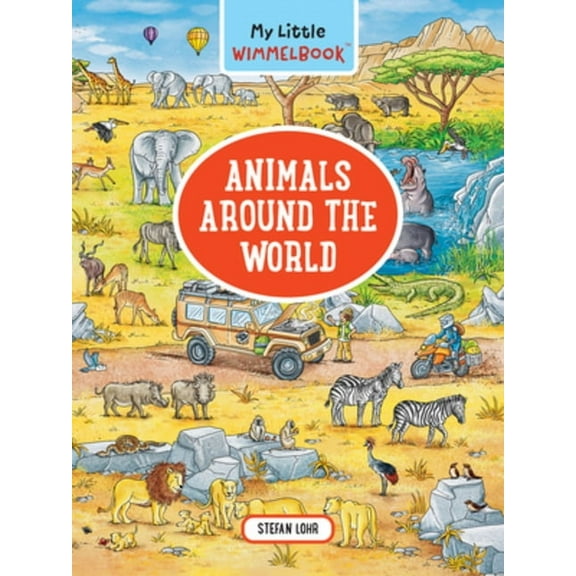
- You can use animals and habitats books to introduce food chains, biomes, migration, and adaptation through pictures and real-world examples.
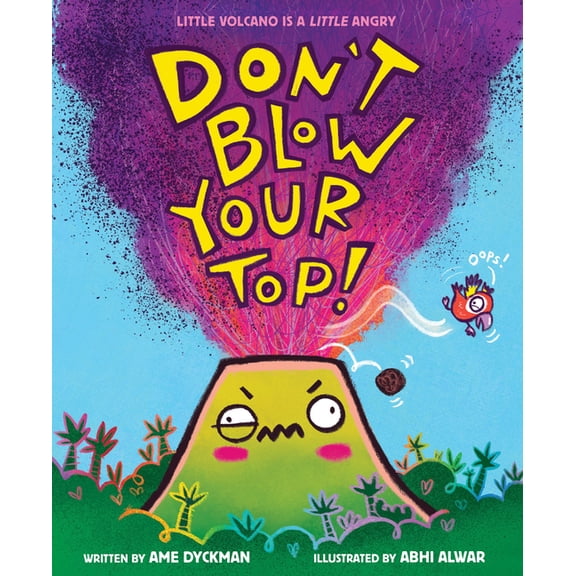
- You can choose earth sciences books when your child wants to learn about rocks, fossils, volcanoes, oceans, and the layers of the planet.
- You may pick weather and seasons titles to support lessons on clouds, rainfall, temperature, and seasonal changes your child notices outdoors.
- You can explore ecology and conservation books when your family wants reads about recycling, ecosystems, and caring for natural spaces.
You’ll often notice that children’s books about nature keep learning concrete by connecting facts to everyday scenes. You can make science feel less abstract when your child sees forests, ponds, insects, and storms explained in kid-friendly terms.
STEM alignment matters when you want books that support classroom learning instead of feeling disconnected from it. You should look for clear diagrams, accurate terms, and explanations that build from observation to simple scientific ideas.
Choosing the right format and engagement style
Book format changes how your child interacts with the topic, so it’s worth comparing before you choose. You may prefer board books for hands-on readers, paperbacks for easy portability, or hardcovers for repeated reading.
Board books work well when your child is still exploring pages physically as much as verbally. You’ll usually get thick pages, bold artwork, and short text that fits quick read-aloud sessions.
Paperback formats can suit backpacks, classroom bins, and travel because they’re easy to carry and store. You may like them when your child rotates through many topics, from birds and bugs to clouds and earthquakes.
Hardcover books often support repeat use when your child returns to favorite science topics over time. You can keep them on home shelves for reference reading, bedtime learning, or school project support.
Activity books add another layer of engagement through drawing prompts, observation pages, stickers, or simple experiments. You may choose childrens nature books in this format when your child learns by doing instead of only reading.
You should also compare visual style with text density because engagement looks different at each reading stage. You may want photo-heavy pages for animal identification or narrative pages for kids who follow stories more easily.
Comparing storybooks and nonfiction reference styles
Narrative style is another key decision because some kids connect through stories while others want direct facts. You can choose story-driven titles for read-aloud time or reference-style books for independent exploration.
Storybooks often help your child connect emotionally with outdoor settings, seasons, and animal behavior through characters and plot. You may use them when your child enjoys imaginative reading but still wants real nature themes.
Nonfiction reference books usually organize information with headings, captions, indexes, and labeled diagrams. You’ll likely prefer this style when your child needs support for reports, projects, or question-driven reading.
When you compare the two styles, think about how your child learns and why you’re buying the book. You can pair a storybook with a factual guide to balance interest, vocabulary, and science understanding.
How nature books fit everyday learning
You can use nature books during bedtime, homeschool lessons, classroom support, or weekend outdoor activities. Your child may read about pond life before a park visit or compare cloud types after watching weather change.
These books also work well for seasonal learning because your child can connect spring plants, summer insects, autumn leaves, and winter weather to daily life. You’ll make science feel immediate when reading matches what your child can actually observe.
If your child is preparing for a school unit, you can look for books that explain vocabulary in plain language. You may want glossaries, question prompts, and labeled illustrations that support recall without feeling overly technical.
For gift giving, you can match age range, subject matter, and format to the child’s interests with more confidence. You’ll have a clearer path when you know whether they prefer animals, rocks, storms, or hands-on activities.
With the right nature books for children, you can support curiosity, build science vocabulary, and make outdoor learning easier to understand. You’ll feel more confident choosing books that fit your child’s age, interests, and school-ready learning goals.
Popular in Nature and Earth Science Books for Kids - Walmart.com
- Best Sellers In Children's Nonfiction Science Nature
- Best Sellers In Children's Science Nature Books
- National Geographic The Science Of Babies
- Science Magazine For Kids
- National Geographic Discovery
- Discovery Channel Animal
- Science Magazine Kids
- Science Nature
- Best Sellers In Children's Encyclopedias
- Smithsonian
- National Geographic School Pub