

Funny Kids Books for Laughs and Fun
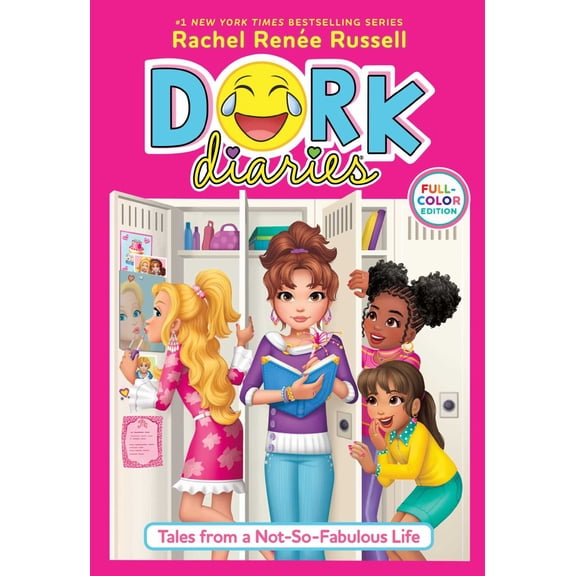


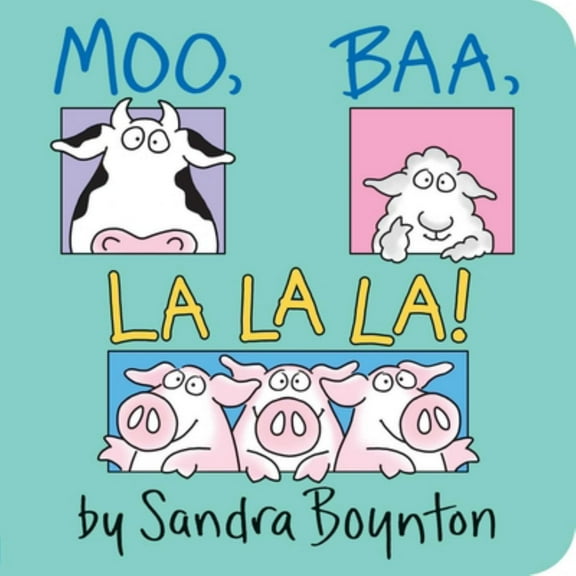


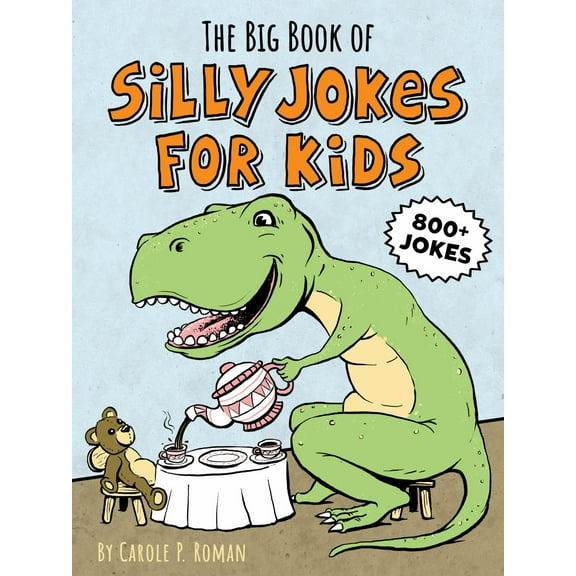

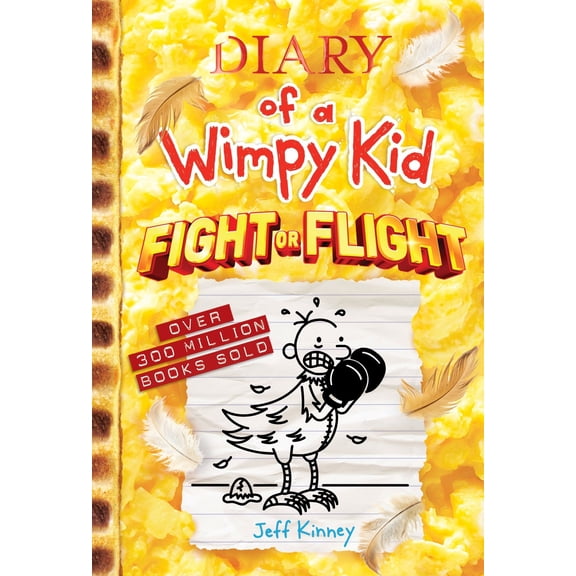








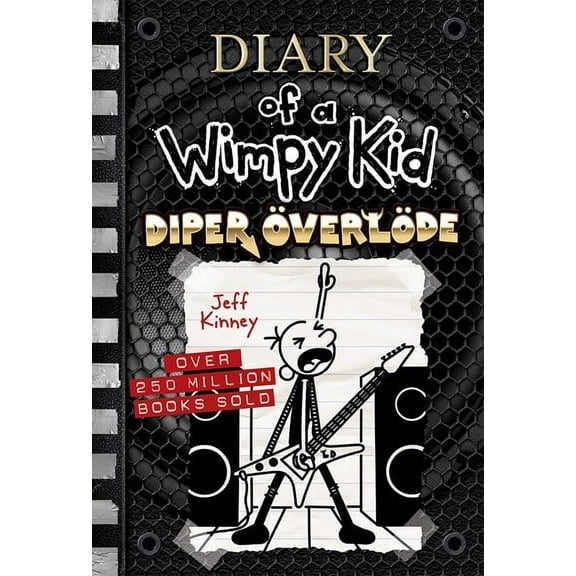

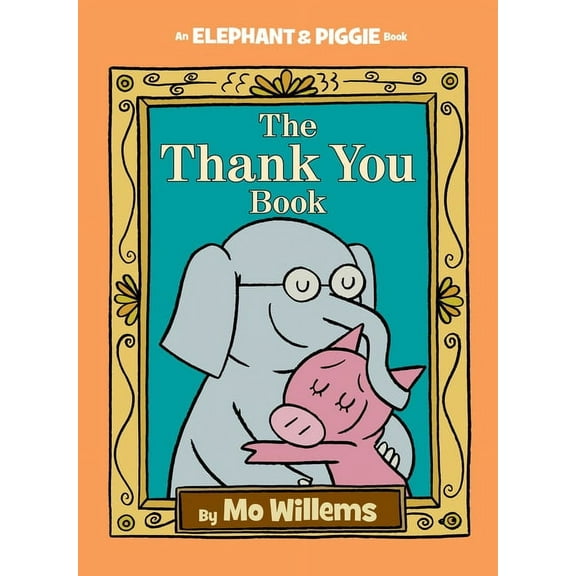
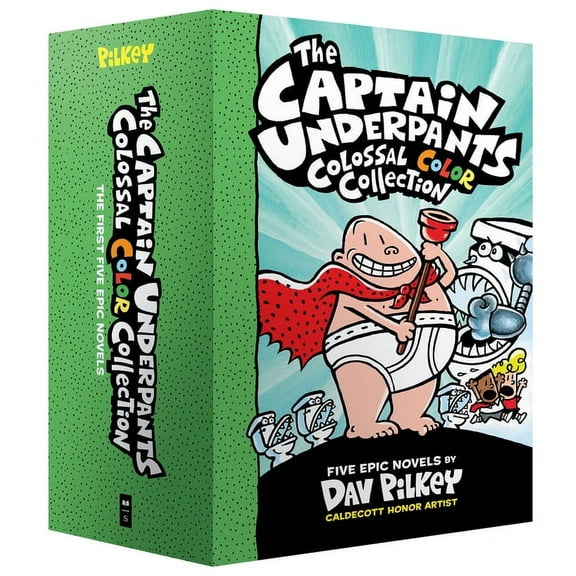
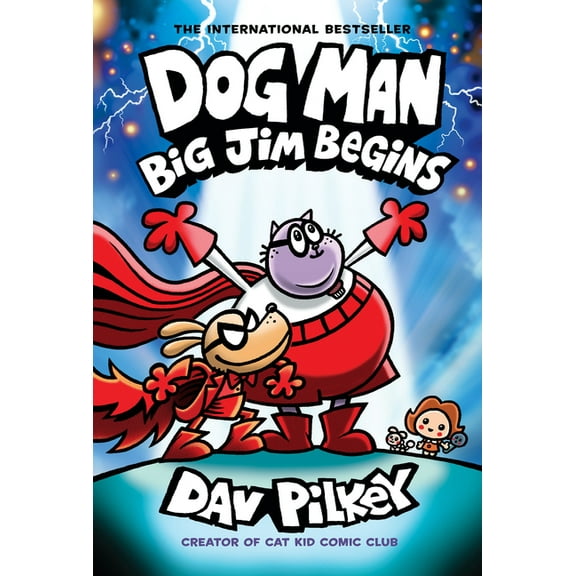




About Funny Kids Books for Laughs and Fun - Walmart.com
Funny kids books help you turn reading time into giggles, repeat requests, and eager page turns. You can compare age range, format, humor style, and theme to pick stories that match your child’s reading stage.
If you're choosing for bedtime, classroom reading, or independent practice, you need books that feel playful from the first page. You can use humor to keep reluctant readers engaged, especially when lively art and simple pacing hold their attention.
How to choose funny kids books by age range
Age range shapes how your child connects with jokes, pictures, and sentence length. You should look for humor that fits toddlers, preschoolers, early readers, or middle grade readers without feeling too simple.
For toddlers, you may prefer board books with sturdy pages, repeated phrases, and big expressions. For preschoolers, you can choose picture books with silly surprises, animal antics, and easy-to-follow scenes.
As your child grows, you can move toward early reader titles with short chapters and clear wordplay. Middle grade readers may enjoy longer plots, mischievous characters, and running jokes that build across chapters.
Choosing funny books for kids by format
Book format changes how your child experiences the story and how long they stay focused. You should compare board books, picture books, chapter books, and graphic novels before you choose.
Board books work well when your child likes short reading sessions and hands-on page turning. Picture books give you full-page art, strong visual jokes, and a read-together rhythm you can enjoy aloud.
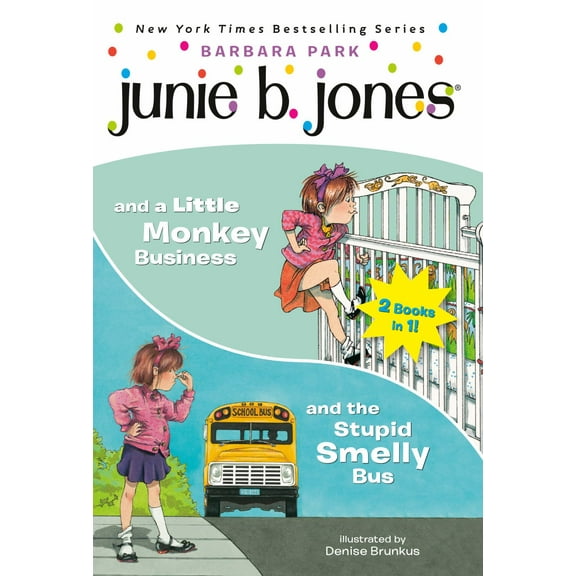
Funny chapter books suit readers who want more story but still need humor on every few pages. Graphic novels can help your child follow action through panels, expressions, and fast dialogue.
- You can use board books for quick laughs during short routines.
- You can pick picture books when your child responds to visual comedy.
- You can choose chapter books when your reader wants longer adventures.
- You can consider graphic novels when your child likes comic-style storytelling.
What to look for in humorous children's books
Humor style matters because your child may laugh at very different kinds of stories. You should compare slapstick, silly scenes, wordplay, and mischievous humor before you decide.
Slapstick often uses tumble, chase, and exaggerated reactions that younger readers understand quickly. Silly stories may lean on absurd situations, noisy characters, and playful repetition that keeps read-aloud time lively.
Wordplay works well when your child enjoys puns, rhymes, and surprising language. Mischievous humor can fit readers who like prank-filled plots, clever problem solving, and characters who bend rules in funny ways.
You can also check illustration density when your child needs extra visual support. More art often helps reluctant readers stay with the joke and follow the story without feeling overwhelmed.
Comparing themes in silly picture books and longer stories
Theme helps you match the book to your child’s current interests and daily life. You may want animals, school life, monsters, or family adventures, depending on what keeps your reader curious.
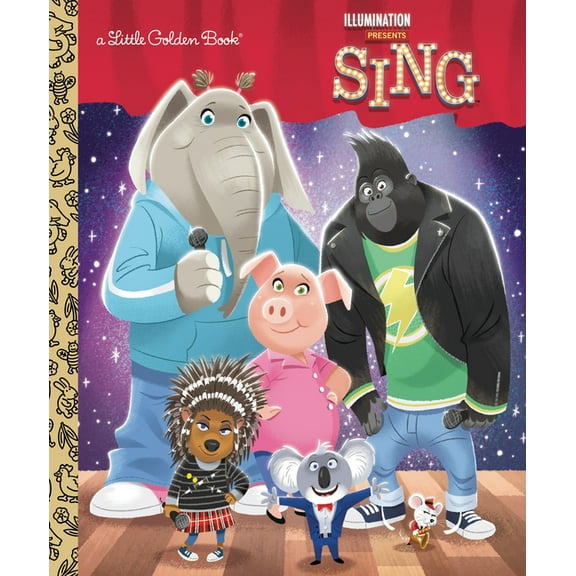
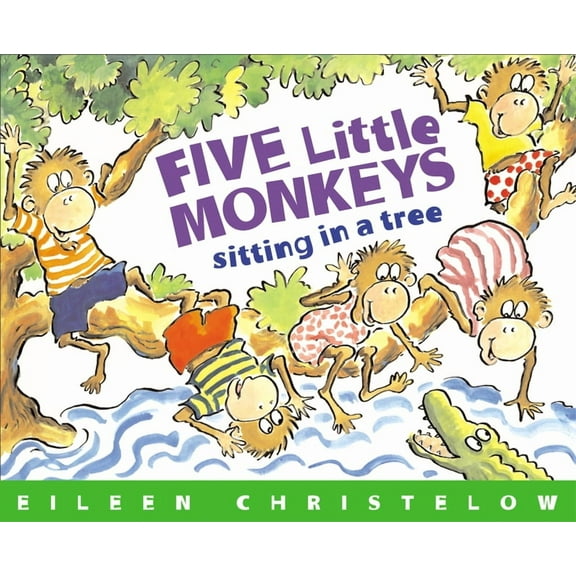
Animal stories often bring broad expressions, physical comedy, and playful sound words your child can repeat. School life stories can feel familiar when your reader enjoys classroom mishaps, friendships, and funny routines.
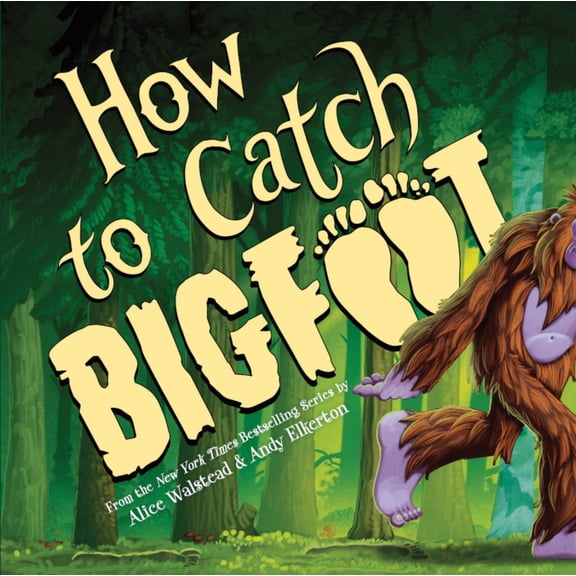
Monster themes let you choose imaginative laughs without making the story feel ordinary. Family adventures can fit shared reading because your child may recognize siblings, chores, trips, and everyday chaos.
If your child rereads favorites, you should also check whether the book stands alone or belongs to a series. Series humor can keep your reader invested because familiar characters return with new jokes.
How funny read aloud books support different reading moments
You can use funny read aloud books in several parts of your day, not only at bedtime. A lively story can fit circle time, road trips, rainy afternoons, or quick breaks between activities.
For group reading, you may want big illustrations, expressive dialogue, and page turns that build anticipation. For quiet solo reading, you can look for shorter chapters, clear fonts, and jokes that land without much explanation.
If your child resists reading practice, humor can lower the pressure and make repetition feel natural. You can revisit favorite scenes, voices, and punchlines while your reader gains confidence through familiar text.
Finding the right mix of funny chapter books and visual humor
You don't need to choose only one type of laughter when building a home library. You can mix silly picture books with funny chapter books to match changing moods and reading goals.
A shorter picture book can suit busy evenings when your child wants quick fun before bed. A longer chapter book can stretch across several nights when your reader wants cliffhangers, recurring jokes, and character growth.
When you compare age range, format, humor style, and theme, you can narrow choices with less guesswork. You’ll feel more confident choosing stories that keep your child reading, laughing, and asking for one more chapter.