

Visionary and Metaphysical Kids' Books












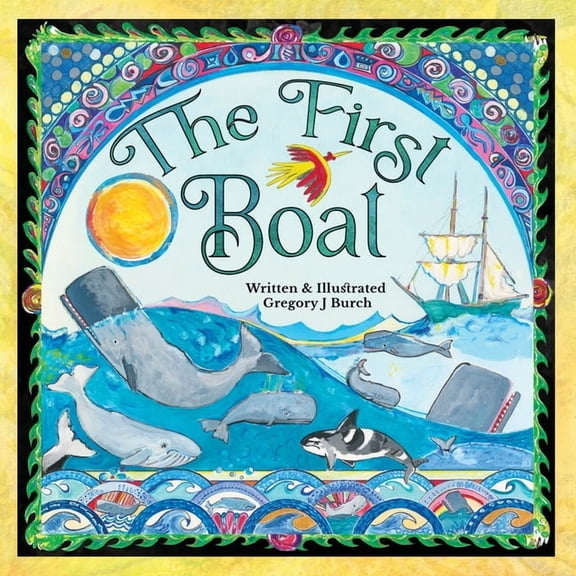
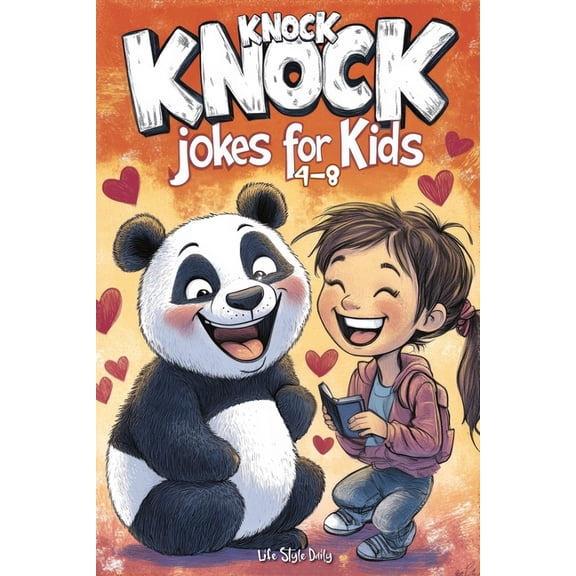


About Visionary and Metaphysical Kids' Books - Walmart.com
You can use visionary metaphysical kids books to introduce big ideas through age-appropriate stories, calming themes, and art that keeps young readers engaged. You’ll find this category especially helpful when you want gentle language around mindfulness, spirituality, philosophy, and imaginative thinking.
You may be choosing books for bedtime, classroom reading, or family conversations about kindness, wonder, and self-awareness. You’ll also notice these titles often blend story, reflection, and illustration in ways that feel approachable for different ages.
How to choose visionary metaphysical kids books by theme
You should start with theme, because the message shapes how your child connects with the story. You can compare mindfulness, spirituality, philosophy, and cosmic consciousness based on how abstract you want the ideas to feel.
If you want calming routines, you may prefer mindful kids books that focus on breathing, gratitude, and paying attention. If you want reflective storytelling, you may lean toward philosophical stories for children with simple lessons and open-ended thinking.
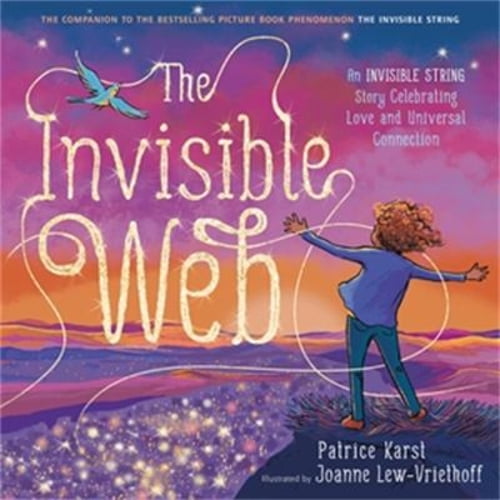
You can also look at spiritual children's books when you want universal themes like compassion, connection, and wonder. You should check whether the language feels broad and inclusive if your family prefers secular-friendly reading.
- You can choose mindfulness themes for quiet moments, reflection, and steady daily reading habits.
- You may choose spirituality themes when you want gentle conversations about meaning, connection, and inner awareness.
- You can choose philosophy themes if your child enjoys questions, ideas, and thoughtful discussion after reading.
- You may explore cosmic consciousness themes when your reader likes stars, energy, imagination, and big-picture wonder.
Choosing metaphysical books for kids by age group
You’ll want to match the age group to the complexity of the ideas and the amount of text. You can keep younger readers engaged with concrete examples, while older readers can handle layered themes.
For toddlers ages zero to three, you should look for short sentences, repeated phrases, and simple emotional themes. You may prefer picture-led stories that connect kindness, feelings, and daily routines.
For early readers ages four to eight, you can choose clear plots and direct language about mindfulness or curiosity. You’ll often want books that explain big ideas through friendship, nature, or everyday choices.
For middle grade readers ages nine to 12, you may consider richer symbolism and more reflective questions. You can explore stories that connect identity, purpose, and perspective without sounding too academic.
For teens, you should look for books with stronger themes, longer chapters, or discussion-based storytelling. You may appreciate titles that examine self-discovery, beliefs, and personal growth through imaginative narratives.
What to look for in format and reading experience
You can narrow your options faster when you compare format alongside reading level. You should consider whether your child listens, reads independently, or enjoys shared reading with you.
Picture books work well when you want a guided experience with strong visual storytelling and fewer words. You may use them for bedtime, circle time, or short reading breaks during the day.
Paperback editions can feel easy to carry in backpacks, reading bins, or travel bags. Hardcover editions may suit keepsake gifting, repeated rereading, and home libraries where you want lasting shelf presence.
Audiobooks can support listening time during car rides, quiet afternoons, or family wind-down routines. You may find them useful when your child connects more strongly through narration and sound.
You should also compare sentence length, chapter structure, and page count before you choose. You’ll make a more confident pick when the reading experience matches your child’s attention span and confidence level.
Comparing illustration styles in spiritual children's books
You can use illustration style as a practical clue for engagement, especially with younger readers. You should compare whimsical, realistic, watercolor, and abstract art based on how your child responds visually.
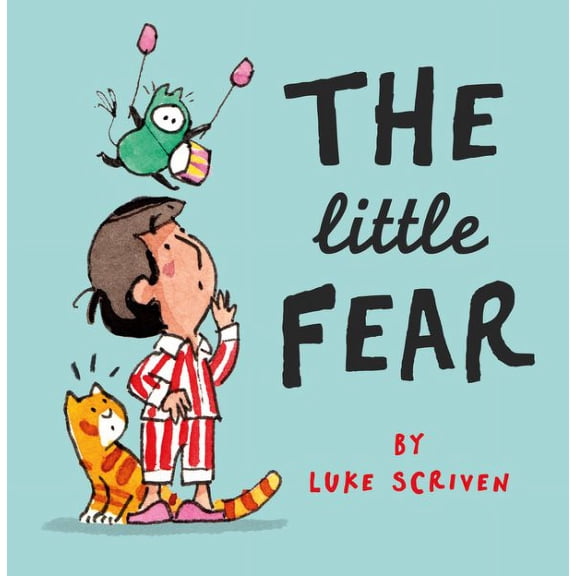
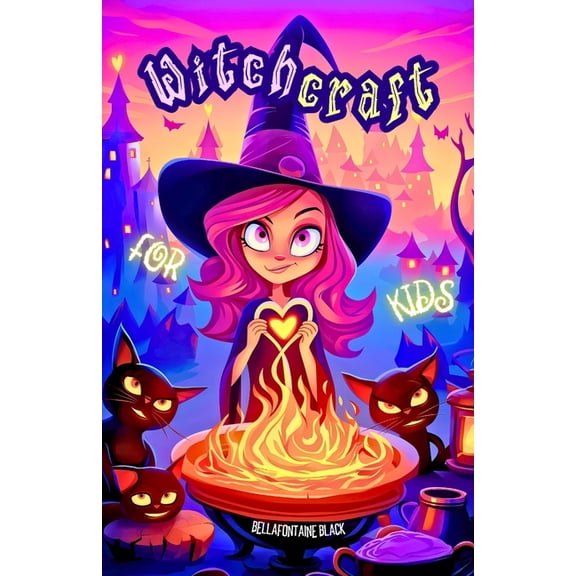
Whimsical art can make complex themes feel playful and easy to approach. You may prefer it when your child enjoys imaginative creatures, dreamlike scenes, or gentle humor.
Realistic illustration can ground spiritual or philosophical ideas in everyday life and recognizable emotions. You might choose it when your child connects with family scenes, nature settings, or school-age characters.
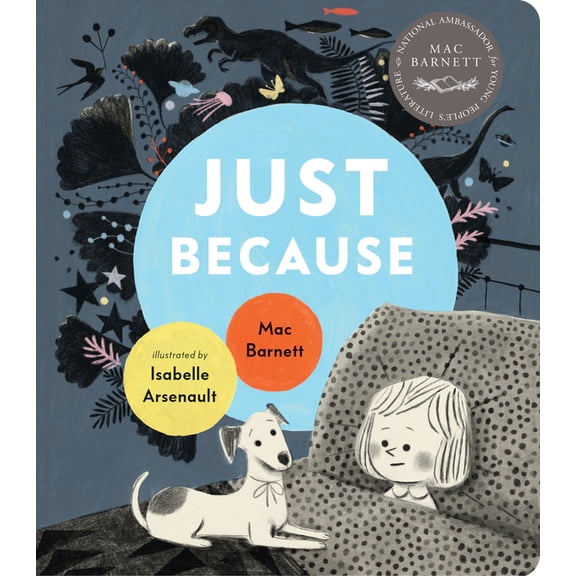
Watercolor styles often create a soft mood that fits reflective reading and peaceful storytelling. You can look for this approach when you want a calm page experience with gentle color transitions.
Abstract art can introduce cosmic or imaginative concepts without spelling out every detail. You may choose it for older readers who enjoy symbolism, visual interpretation, and open-ended discussion.
When these books fit into your child’s routine
You can use visionary metaphysical kids books during bedtime when you want stories that slow the pace and invite reflection. You may also use them before school when your family wants a calm start.
These books can support classroom read-alouds, homeschool themes, or family talks about empathy and perspective. You’ll often find they fit naturally beside fantasy kids books, mindfulness books for children, and educational kids books.
If your child asks big questions, you can use these stories to keep the conversation simple and welcoming. You should look for titles that present wonder, kindness, and curiosity in language your child already understands.
You can feel confident choosing this category when you want thoughtful stories, age-aware themes, and artwork that supports attention. You’ll give your child a reading experience that encourages curiosity, reflection, and meaningful conversation.