

Children's Literacy Books for Early Readers


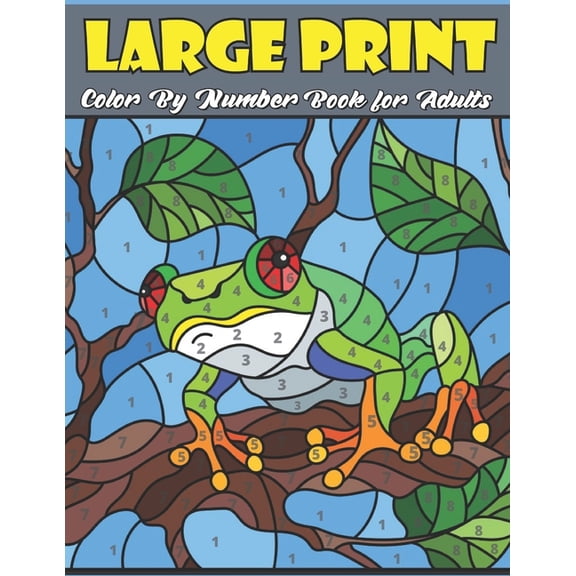
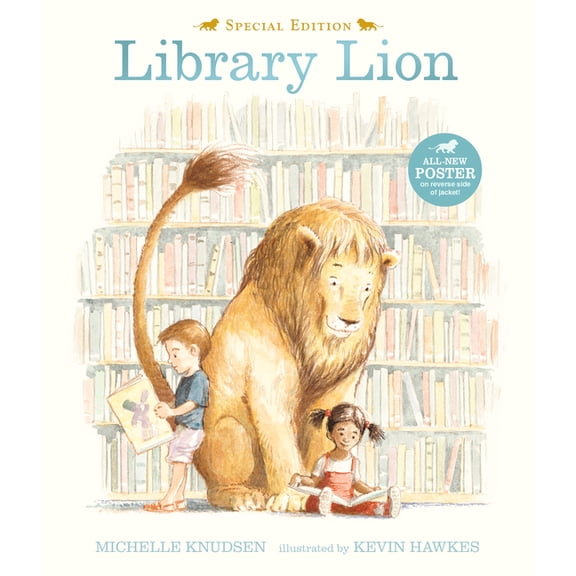


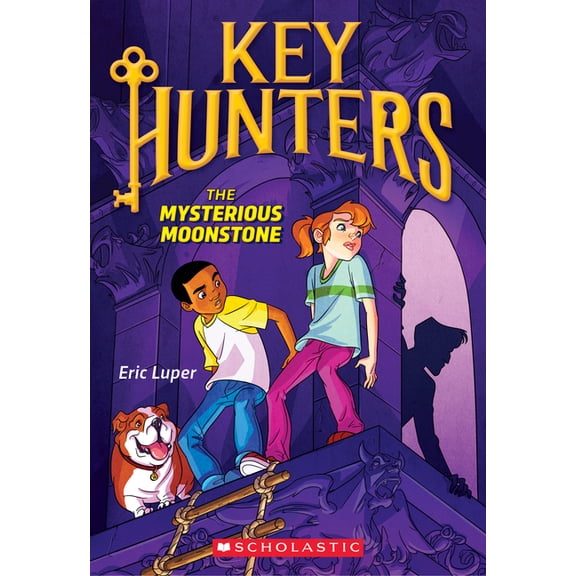
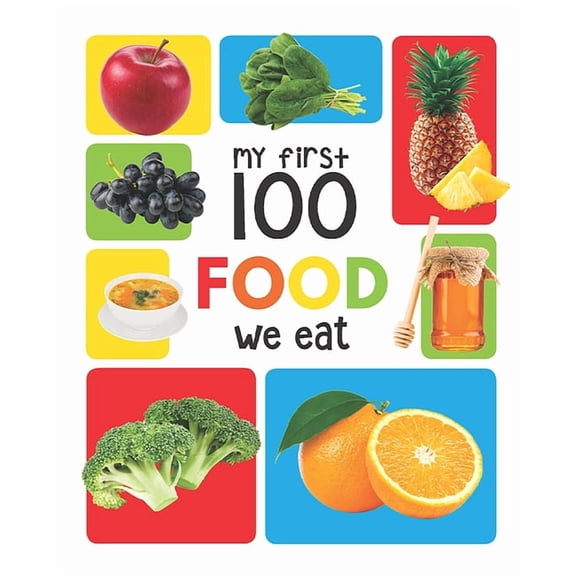
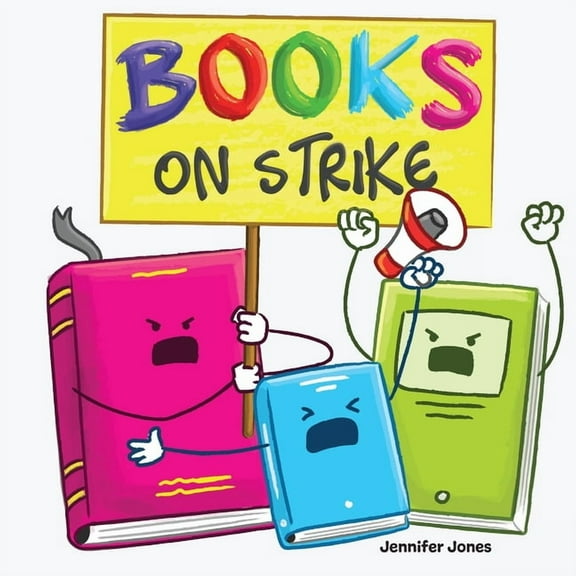

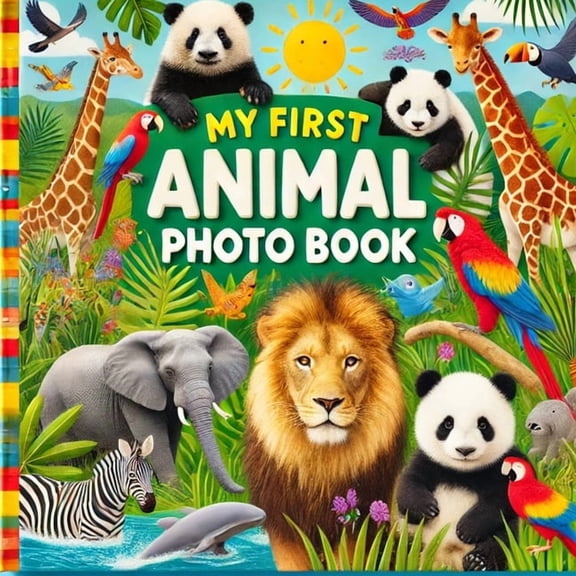
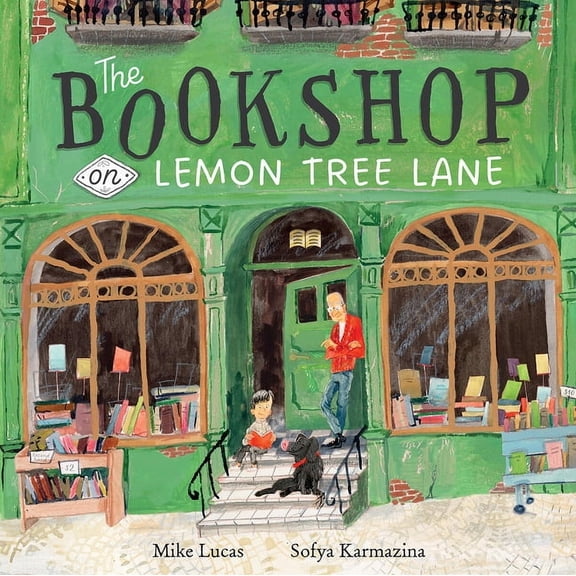
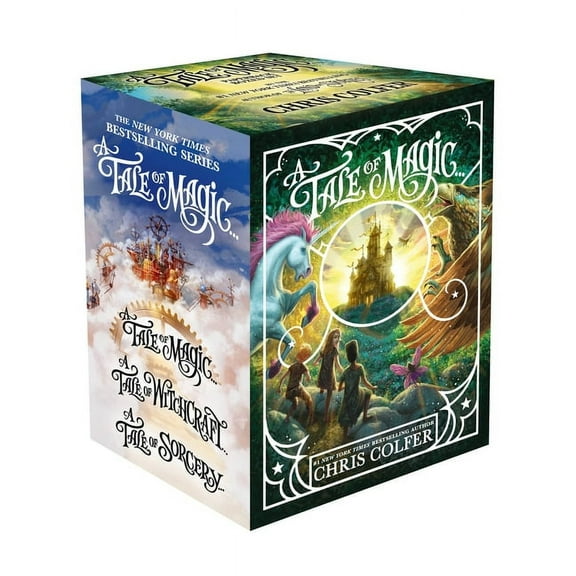





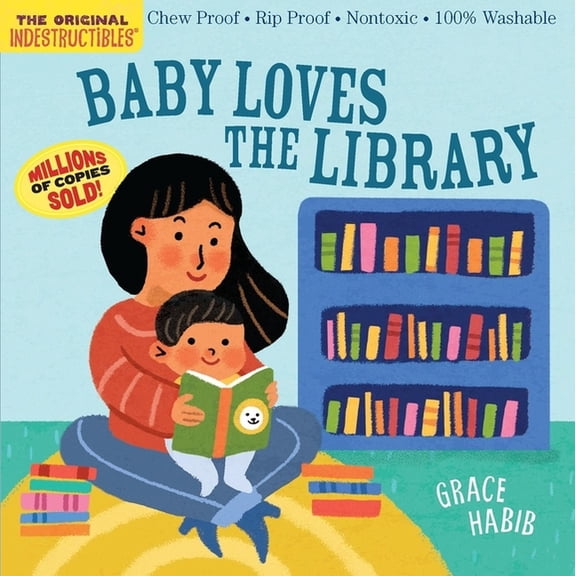

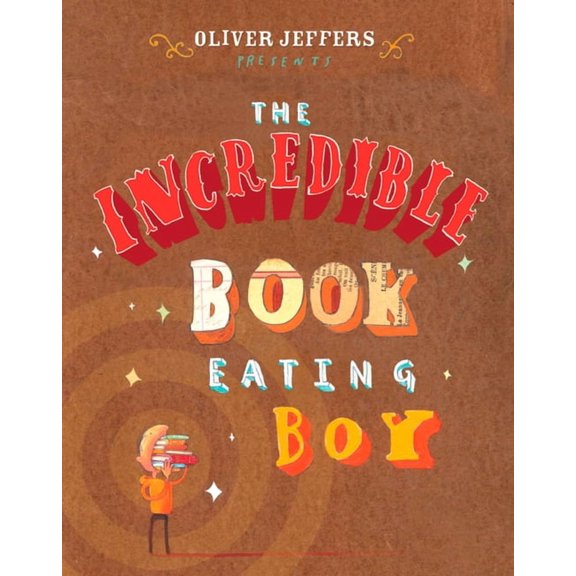


About Children's Literacy Books for Early Readers - Walmart.com
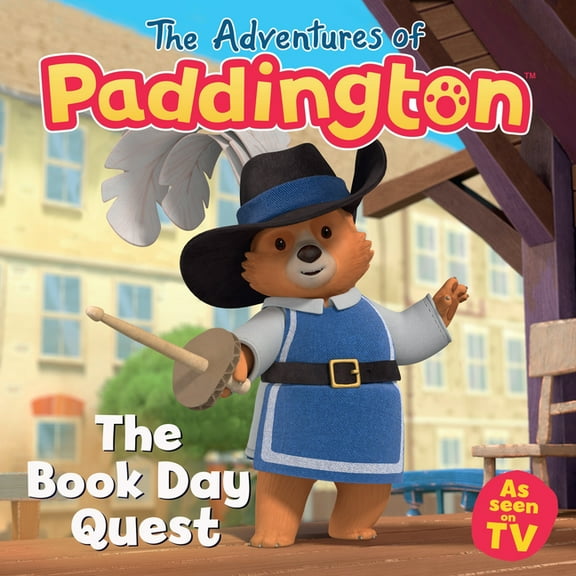
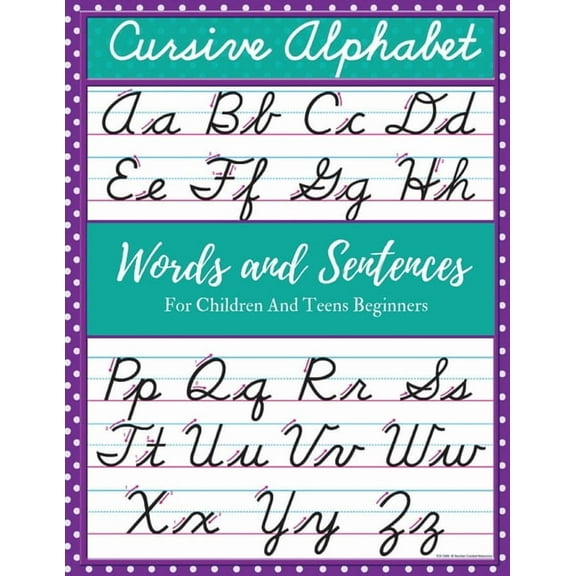
With literacy kids books, you can support early reading practice through age-matched stories, phonics activities, and repeatable text your child can follow. You can also compare formats, reading levels, and skill focuses, so your pick fits how your child learns now.
Choosing literacy kids books by reading level
You should start with reading level, because your child needs words and sentence patterns that feel manageable. You can use age groups like toddler, preschool, kindergarten, and early reader as a simple starting point.
If your child is school-aged, you may also compare Lexile measure or Guided Reading Level with plain age guidance. You can use those labels to narrow choices without losing sight of your child's actual reading confidence.
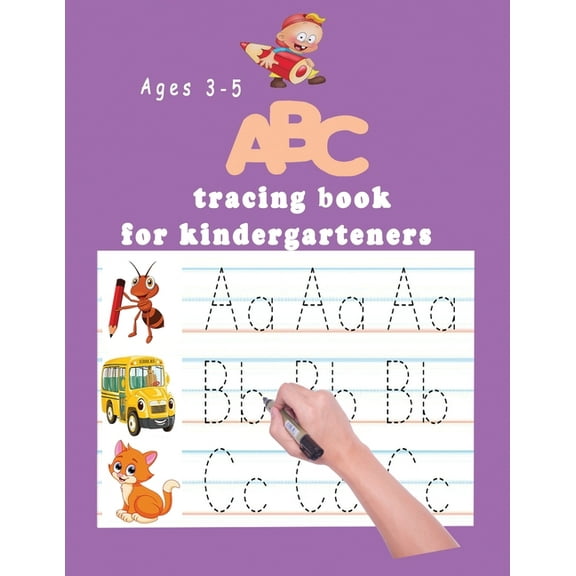
For toddlers, you may want short phrases, picture support, and repeated sounds that invite participation. For preschool and kindergarten, you may look for letter recognition, rhyming words, and books for learning to read.
As your child becomes an early reader, you may choose longer sentences, fuller plots, and simple chapters. You can keep confidence growing when your child sees familiar words appear across several pages.
How to compare kids reading books by format
You should also compare book format, because handling matters as much as reading content. You can match sturdier pages to younger hands and lighter formats to growing independence.
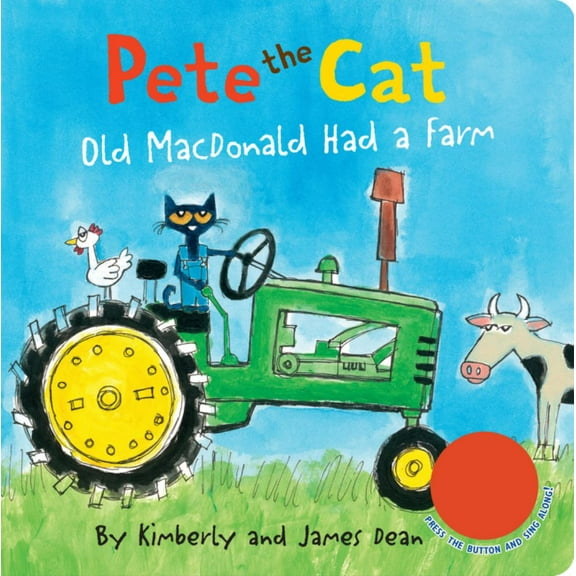
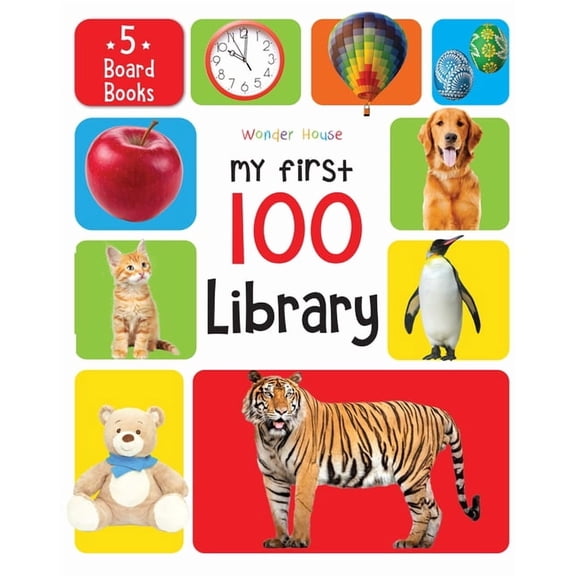
Board books work well when your child turns pages often and explores books with constant handling. Paperback options can feel easier for backpacks, reading corners, and classroom take-home routines.
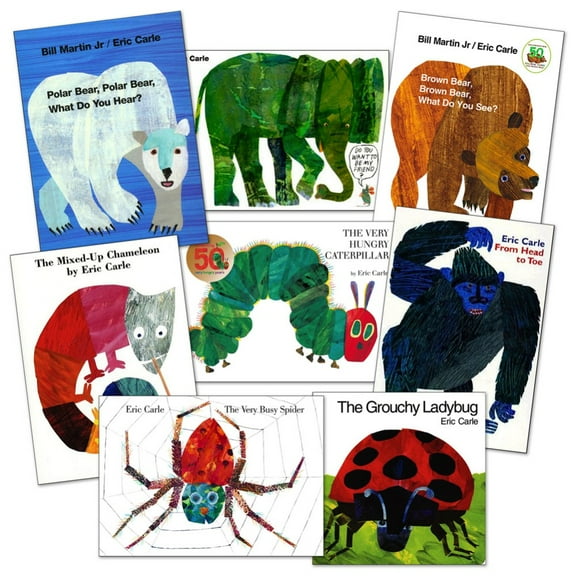
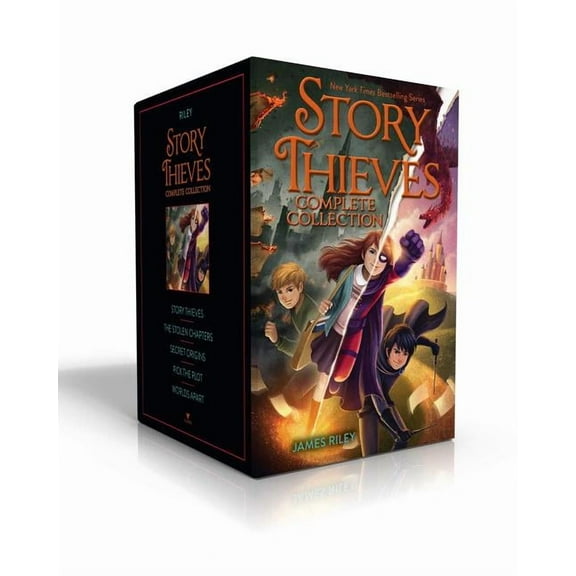
Hardcover books can give your shelf a lasting option when your child returns to favorite stories again. Box sets can help you build a consistent reading habit when your child likes a familiar series.
- You can choose board books for thick pages and simple page turns.
- You can choose paperbacks when your child is ready for lighter books.
- You can choose hardcovers for repeated family reading and shelf storage.
- You can choose box sets when your child benefits from several books in one theme.
Choosing early learning books by skill focus
You can narrow early learning books faster when you decide which reading skill deserves attention first. You may compare phonics, sight words, vocabulary, and comprehension based on your child's current classroom goals.
Phonics books for kids can help you introduce letter sounds, sound patterns, and simple decoding practice. Sight word books can help your child recognize common words quickly during read-aloud and independent reading time.
If your child already knows many basic words, you may focus on vocabulary and comprehension instead. You can look for stories that encourage retelling, picture clues, and simple questions after each page.
You may also mix skill goals across your shelf instead of choosing only one type. You can pair a phonics title with a storybook, so practice still feels varied and engaging.
How to match genre and theme to your child
You should compare genre and theme, because interest often shapes how long your child stays engaged. You can use favorite topics to turn reading time into something your child looks forward to.
Fiction can help your child follow characters, sequence events, and predict what happens next. Non-fiction can help your child connect reading with real topics like weather, animals, or simple science facts.
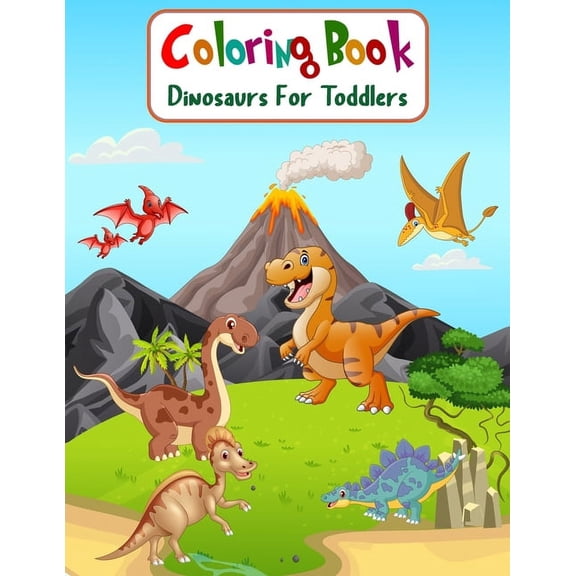
If your child talks about dinosaurs, trucks, space, or ocean life, you can use those themes as your guide. You may notice kids reading books feel easier when the topic already feels exciting and familiar.
Animal stories often give younger readers clear pictures and easy emotional cues. STEM themes can support curiosity when your child likes counting, building, machines, planets, or experiments.
Using literacy kids books at home and in class
You can use literacy kids books during bedtime, quiet time, homeschool lessons, or classroom centers. You can also keep different formats nearby, so your child has the right book for each routine.
For shared reading, you may choose repeated phrases and strong picture clues that invite your child to join in. For independent practice, you can look for short lines, familiar words, and clear page progression.
If you're building a teacher shelf, you may group titles by reading level and skill focus for easier lesson planning. If you're reading at home, you can group by theme to keep your child interested across the week.
You can also rotate between fiction, non-fiction, phonics practice, and sight word books to keep learning balanced. That mix can help your child build decoding, word recognition, and story understanding through everyday reading.
What to look for before you choose
You should check the reading level, format, skill focus, and theme before making your final choice. You can make a more useful pick when each detail matches your child's age, habits, and interests.
When you choose with those decisions in mind, your reading time can feel smoother and more rewarding. You can build a home or classroom shelf that supports steady reading practice with books your child will actually open.