

Time Travel Kids Books for Young Readers



















About Time Travel Kids Books for Young Readers - Walmart.com
If you're shopping the hidden scrolls series, you likely want chapter books that mix adventure, history, and age-appropriate reading practice. You'll also want clear choices on format, reading level, and story tone, so you can match each book to your reader.
Parents often choose this category for independent reading, read-aloud time, or gift giving. You'll find that time-travel stories stand out because they pair page-turning quests with settings that keep young readers curious.
How to choose the hidden scrolls series by reading level
Start with your child's reading confidence, then compare age guidance, interest level, and page count. You'll make a stronger pick when the story feels exciting without feeling too dense.
For ages six to eight, you may want shorter chapters and simpler sentence patterns. For ages nine to 12 or middle grade readers, you can consider longer plots and more layered historical detail.
Lexile measure can help you compare challenge across titles in this category. You'll want to pair Lexile with interest level, because a capable reader still needs a theme that holds attention.
If you're considering a girl time travel adventure children's book 91 pages long, page count matters for pacing and stamina. You'll often find that shorter books work well for readers building chapter-book confidence.
- You can use age group labels to narrow choices for early elementary, upper elementary, or middle grade readers.
- You can compare Lexile measure with your child's current reading level for a more comfortable fit.
- You can check page count when you want a quicker read for trips, school nights, or read-aloud sessions.
- You can match interest level with historical, biblical, or science-fiction themes to keep your reader engaged.
Choosing book format and series continuity
Format shapes how you plan to use these books at home, in class, or on the go. You'll usually compare paperback, hardcover, and box set options based on handling and how many books you want together.
Paperback books can feel easy to pack into backpacks or travel bags. Hardcover books may suit repeated rereads when you want a sturdier shelf copy for your child's room.
A box set can help when you want several connected titles in one purchase. You'll appreciate that option if your reader likes moving straight into the next chapter of an ongoing adventure.
Series continuity matters in the hidden scrolls series because many readers enjoy following recurring characters across multiple journeys. You should check whether a title stands alone or fits a chronological order before you choose.
If your child prefers jumping into any story, standalone-friendly titles may feel simpler. If your child tracks clues and character growth, reading in sequence can make secret scrolls and callbacks feel more rewarding.
Comparing protagonist and theme choices
Character perspective often shapes how quickly your child connects with a story. You'll want to compare girl protagonist, boy protagonist, and sibling group adventures based on your reader's habits.
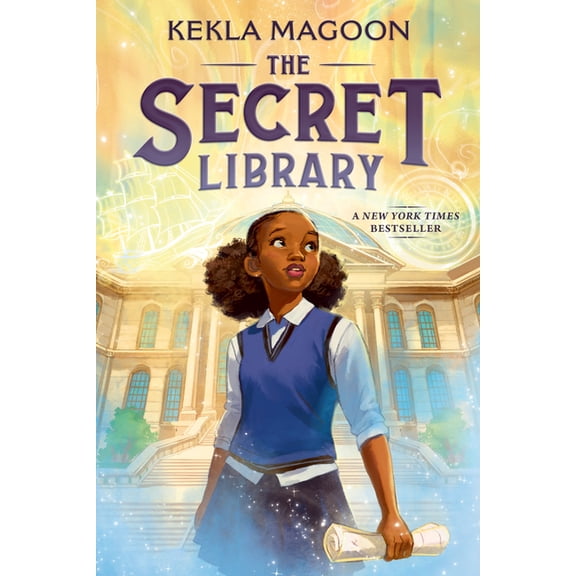
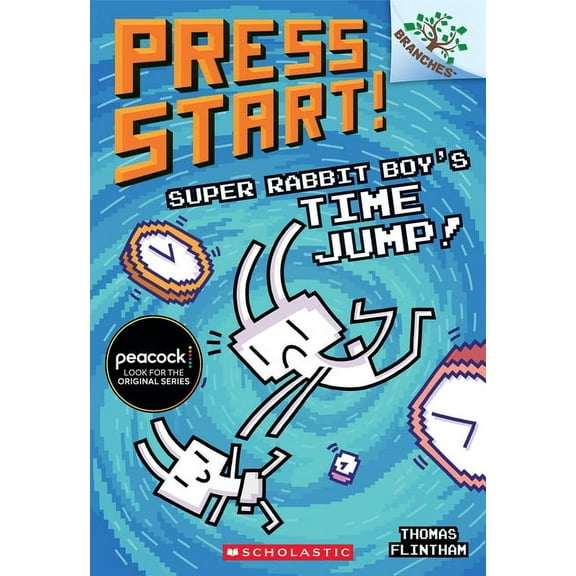
A girl-led time-travel story can appeal to readers who like brave decision-making and discovery from a youthful point of view. A boy-led story may fit readers drawn to action, puzzles, or quest-driven chapters.
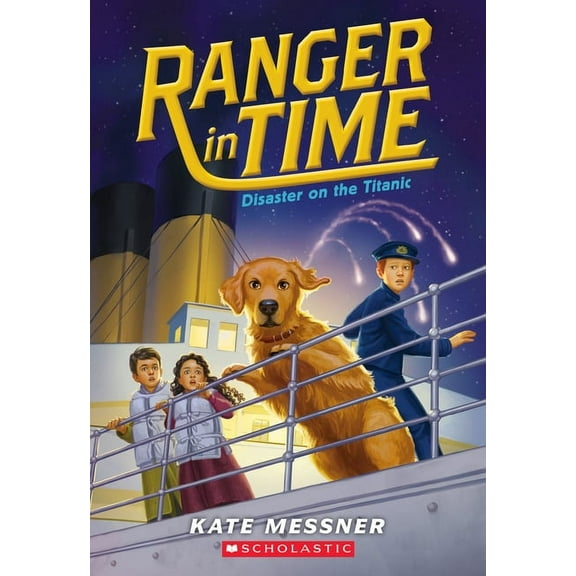
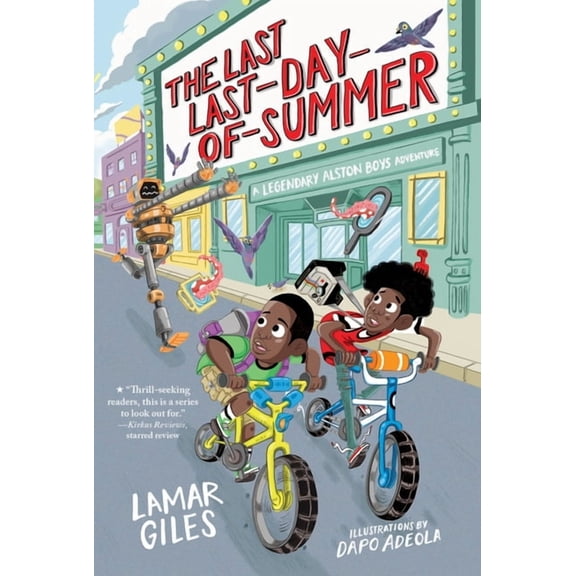
Sibling groups can work well when your child enjoys teamwork, banter, and shared problem solving. You'll often notice that group dynamics add variety as characters react differently to each new era.
Theme is another useful filter when you compare this category. You'll usually see a mix of historical fiction, biblical adventure, and sci-fi time travel, and each one creates a different reading experience.
Historical fiction can help your child picture daily life in another period through story. Biblical adventure often combines faith-centered settings with quests, while sci-fi time travel leans into portals, devices, and imagined rules.
What to look for in story tone and reading use
Narrative tone can matter as much as plot when you're choosing for school reading or family reading time. You'll want to decide whether your child prefers educational context, imaginative exploration, or a blend of both.
If you're choosing for classroom support, you may look for stories with recognizable historical settings and discussion-friendly themes. If you're choosing for entertainment first, you may prefer faster pacing and mystery-driven chapters.
You can also match this category to specific reading moments during the week. A shorter adventure may suit bedtime reading, while a box set may suit vacations, summer reading, or reward shelves.
For independent readers, you'll want clear chapter breaks and momentum that keeps pages turning. For shared reading, you'll appreciate stories with enough action and context to hold attention across multiple sittings.
This category also works when you're balancing fun with skill building. You'll get more from your choice when reading level, series order, and story type all line up with your child's current interests.
Why these choices matter for time-travel adventures
Time-travel chapter books ask young readers to follow shifting settings, timelines, and clues. You'll make a more confident choice when you compare reading level, format, protagonist, and tone together.
When those details match your child's needs, the hidden scrolls series can feel approachable, engaging, and easy to continue. You'll end up with stories that keep your reader turning pages and tracking every new journey.