

Eric Carle Books in Children’s & Kids’ Books



















About Eric Carle Books in Children’s & Kids’ Books - Walmart.com
Eric Carle books help you build story time around bright collage art, familiar themes, and kid-friendly formats. You can compare age ranges, book types, and classic titles that fit early reading routines.
How to choose Eric Carle books by format
When you compare Eric Carle books, you'll want to start with format because it shapes how your child handles each book. You can use durable editions for repeated page turns and lighter formats for independent reading.
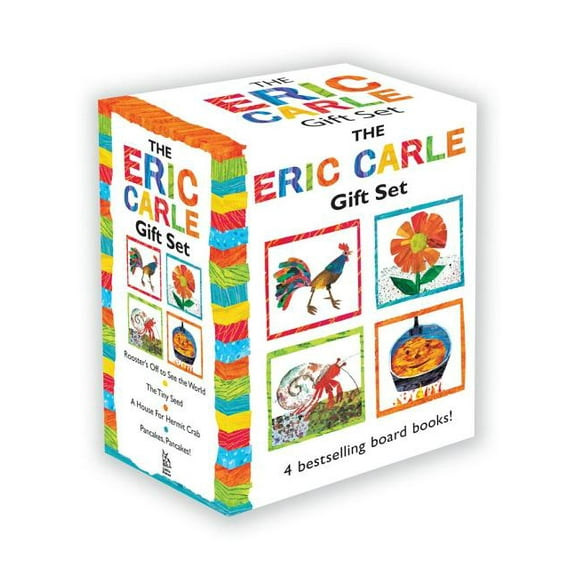
If you're choosing eric carle board books, you can expect thicker pages that feel easier for small hands to grip. You may prefer board book editions when your toddler enjoys turning pages during daily story time.
Hardcover editions can give you a sturdy feel with larger pages for shared reading on the couch or at bedtime. Paperback options can work well when your older reader wants a lighter book for travel.
Audiobook formats can add flexibility when you want a familiar story during rides or quiet time. You can compare formats based on how your child listens, holds, and revisits favorite stories.
- You can choose board books for sturdy page turning and frequent rereading.
- You can choose hardcovers for larger art and shared read-aloud moments.
- You can choose paperbacks for lighter handling and packable reading.
- You can choose audiobooks when you want story access without holding pages.
Choosing Eric Carle books by age group
You can narrow Eric Carle books faster when you match the story length and page style to your child's age. You'll often notice younger readers respond to simple repetition, bold pictures, and familiar words.
For baby to 2 years, you may look for shorter text and durable pages that support quick, repeated reads. You can keep attention with animal sounds, colors, and easy page turns.
For ages 3 to 5, you can explore eric carle books for toddlers and preschool readers with stronger story flow. You'll often find counting, days of the week, and food themes easier to follow at this stage.
For ages 6 to 8, you may look for longer stories, richer vocabulary, and more detailed picture-book pacing. You can use these books for independent reading practice or family read-aloud time.
What to look for in themes and classic titles
You can use themes to find stories that match what your child already enjoys. You'll see animals, nature, counting, and colors appear often across this category.
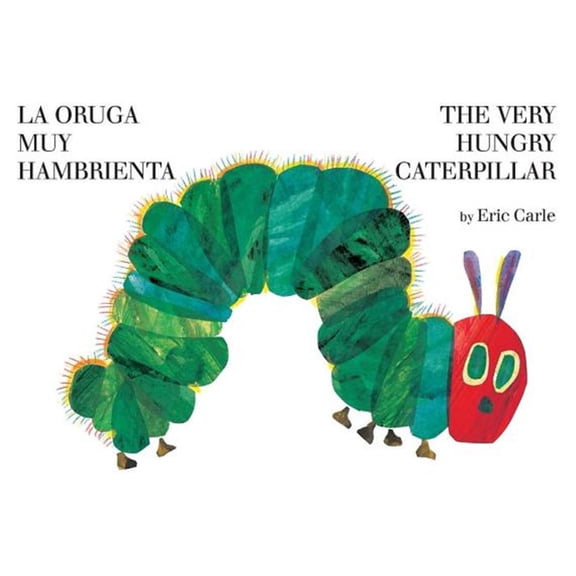
If your child loves insects, food, and simple sequencing, the very hungry caterpillar book can feel like a natural starting point. You can use that title to introduce days of the week, counting, and transformation themes.
Animal stories can help you keep reading playful because your child can point to creatures and name them aloud. Nature themes can support curiosity through leaves, bugs, habitats, and changing seasons.
Counting stories can give you a simple way to add number words into story time without making reading feel formal. Color-based books can also help you connect pictures with everyday objects your child already knows.
Comparing interactive features and reading experience
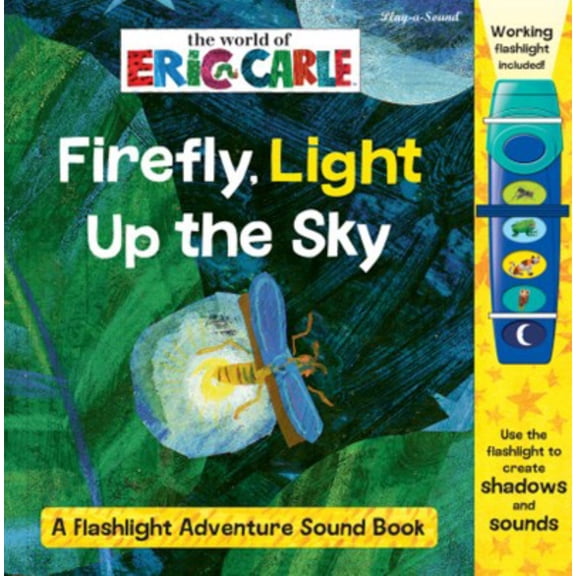
You may also want to compare interactive elements because they shape how engaged your child stays from page to page. You'll often notice textures, flaps, and tactile details keep little readers involved longer.
When you check whether a title includes touch-and-feel parts, you can plan for more hands-on reading. You can use those features when your child likes to explore pages with both sight and touch.
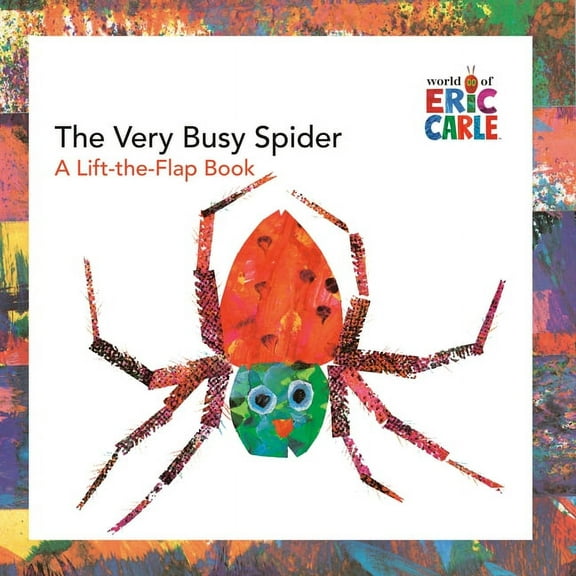
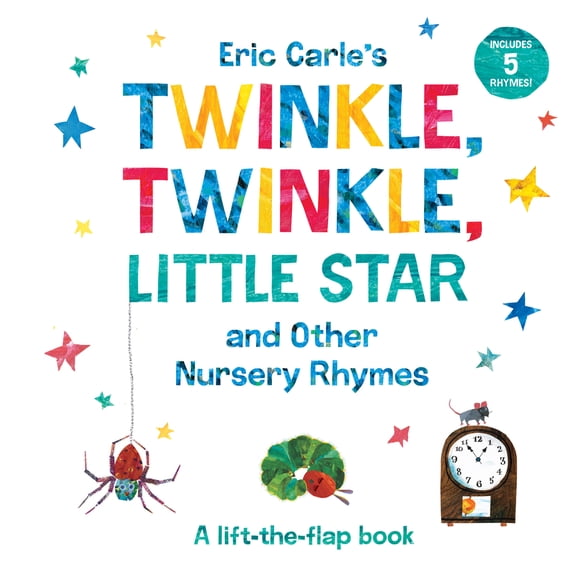
Lift-the-flap designs can add surprise and encourage participation during read-aloud time. You may prefer these options when your child enjoys guessing games and repeated questions.
Eric Carle picture books also stand out when you want large art that gives you plenty to talk about together. You can point out shapes, colors, and patterns in the collage illustrations during each reading.
How language options fit your reading routine
You can also compare language choices based on how your family reads at home. You'll find English, Spanish, and bilingual editions that support different reading habits.
If you read in more than one language, you may prefer bilingual editions for familiar stories and repeated vocabulary. You can use them to connect the same pictures with words your child hears every day.
Spanish editions can help you keep story time consistent with your home language. English editions can fit classroom reading lists, gift giving, and everyday read-aloud routines.
Matching Eric Carle books to everyday use
You can match Eric Carle books to bedtime, daycare bags, classroom reading, or quiet afternoon routines. You'll likely choose different formats when you need portability, durability, or larger pages.
For diaper bags and car rides, you may prefer compact board books that hold up through repeated handling. You can keep a familiar title close when your child wants the same story again.
For preschool shelves or gift lists, you might choose hardcover or paperback storybooks with classic artwork. You can build a small home library around animals, counting, colors, and seasonal themes.
When you want a recognizable author style, you can focus on collage illustrations, simple text, and early learning themes. You can feel confident choosing stories that support repeat reading and visual discovery.
Eric Carle books give you a clear way to compare format, age fit, themes, and language before you choose. You can create a story collection that fits daily reading routines and keeps young readers engaged.