

Body, Mind & Spirit Kids' Books in Children's & Kids' Books














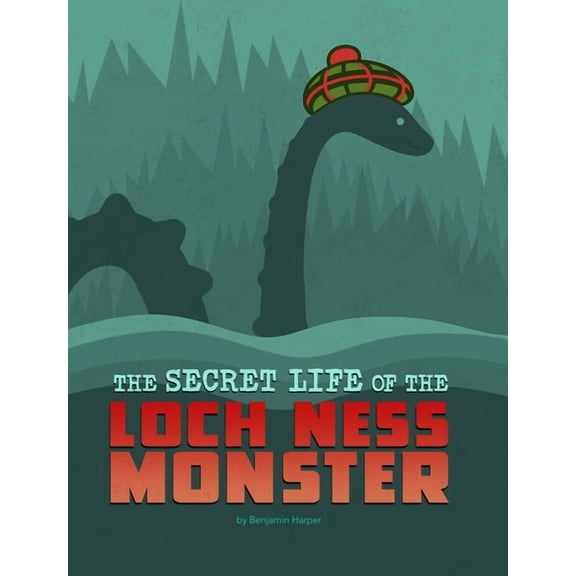
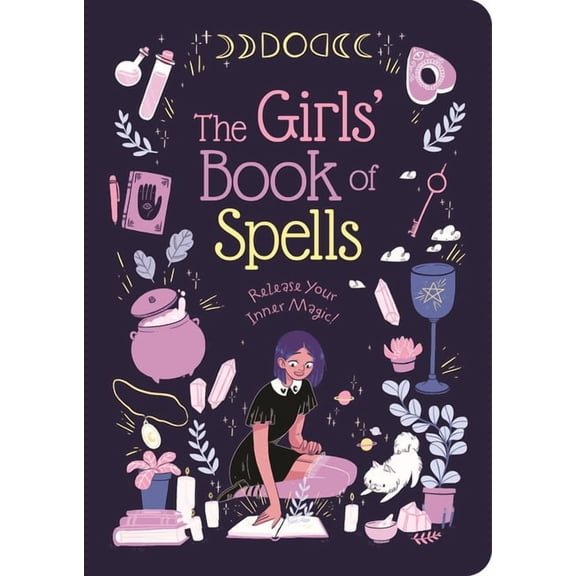


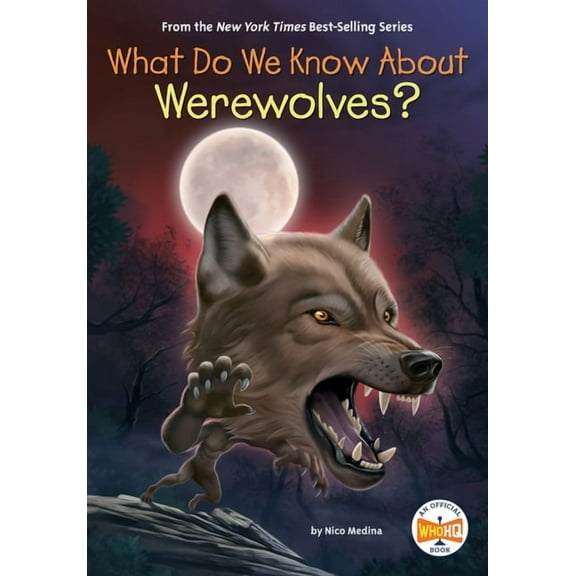


About Body, Mind & Spirit Kids' Books in Children's & Kids' Books - Walmart.com
Kids' body mind spirit books help you introduce calming stories, guided reflection, and age-based learning in one thoughtful category. You can compare themes, formats, and reading levels that fit family routines, classroom moments, and quiet time.
How to choose kids' body mind spirit books
When you compare this category, you should start with the theme your child will actually engage with. You can look for mindfulness, meditation, yoga, emotions, or spirituality based on your reading goals.
Mindfulness books for kids often use simple scenes, breathing cues, and everyday feelings that you can talk through together. Yoga books for kids usually pair movement words with poses, so you can connect reading time with gentle activity.
If you want reflective stories, you may prefer kids' spiritual books with kindness, gratitude, and wonder woven into the plot. If you want practical prompts, you can look for meditation books for children with short exercises and repeatable steps.
What to look for by age group
Your first decision should be age appropriateness, because younger children need fewer words and clearer visuals. You should match reading level and emotional maturity to the way your child learns.
For toddlers, you may want board books with sturdy pages, simple phrases, and familiar routines. You can turn pages quickly, point to pictures, and keep attention focused without long text.
For preschool readers, you may look for picture books that name feelings and model calming choices. You can use short stories to introduce breathing prompts, body awareness, and quiet moments.
For early readers, you may prefer books with larger text blocks and simple guided activities. You can support independent reading while still keeping the language approachable and concrete.
For middle grade readers, you can consider longer stories, journals, or topic-based guides with more reflection. You may notice older kids connect with books that explain emotions, identity, and personal beliefs in plain language.
Comparing format and interactive features
Your next decision should be format, because presentation changes how your child engages with the book. You can compare board book, picture book, paperback, and hardcover options based on reading habits.
Board books work well when you want short, repeatable reading with hands-on page turning. Picture books support shared reading, because you can pause on illustrations and talk through expressions or actions.
Paperback formats can feel easy to carry for travel, classroom bags, or bedtime rotation. Hardcover formats may suit keepsake gifting when you want a sturdier cover and a display-ready look.
Interactive elements can also shape your choice in this category. You can look for guided exercises, coloring pages, breathing prompts, or detailed illustrations that keep the topic active and clear.
- You can use breathing prompts to make story time more participatory.
- You can choose coloring pages when your child likes quiet, hands-on activities.
- You can compare illustrations when you want visual cues for emotions or movement.
- You can select guided exercises when you want simple follow-along practice.
Choosing between mindfulness books for kids and spiritual themes
You should also compare tone, especially if you want a secular or faith-based approach. You can use that distinction to find books that align with your family's reading preferences.
Mindfulness books for kids often focus on attention, feelings, gratitude, and breathing without a specific religious framework. You can use them in varied settings, including home reading, classrooms, and counseling corners.
Kids' spiritual books may explore purpose, values, connection, prayer, or wonder through stories and illustrations. You should check descriptions and visual cues when you want a book with a clearer faith-centered voice.
If you want broad emotional learning, you may choose books centered on emotions, reflection, and calming routines. If you want movement-based engagement, you can focus on yoga books for kids with pose-based storytelling.
Using these books in everyday routines
You can get more from this category when you match the book to a real moment in your day. You might keep shorter titles for bedtime, car rides, or classroom transition time.
At bedtime, you may prefer meditation books for children with soft pacing and repeatable prompts. You can read slowly, pause at illustrations, and create a familiar wind-down routine.
Before school, you might use emotion-themed stories that help you name feelings in simple words. You can revisit the same pages when your child benefits from repetition and predictable structure.
During active parts of the day, you may choose yoga books for kids that pair movement with simple instructions. You can turn reading into a guided stretch session without needing extra equipment.
For gift giving, you may want hardcover editions or picture books with memorable artwork and gentle themes. You can give a book that feels meaningful for birthdays, holidays, or milestone moments.
When you choose with age, theme, format, and tone in mind, this category becomes easier to navigate. You can find kids' body mind spirit books that support calm reading routines and more intentional family time.