

Stories in Verse Kids' Books in Children's & Kids' Books











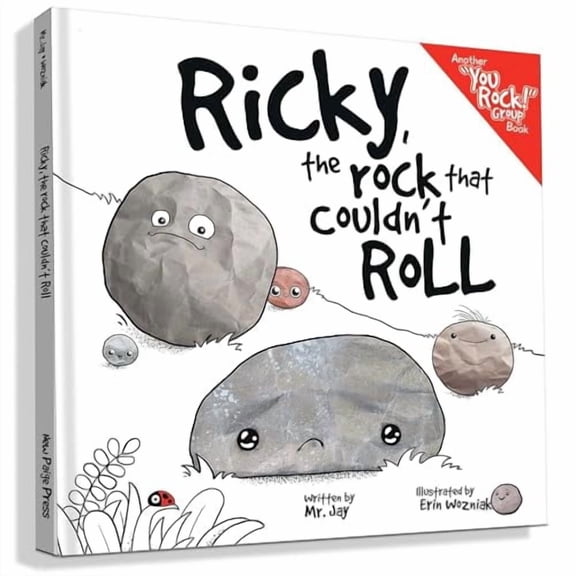
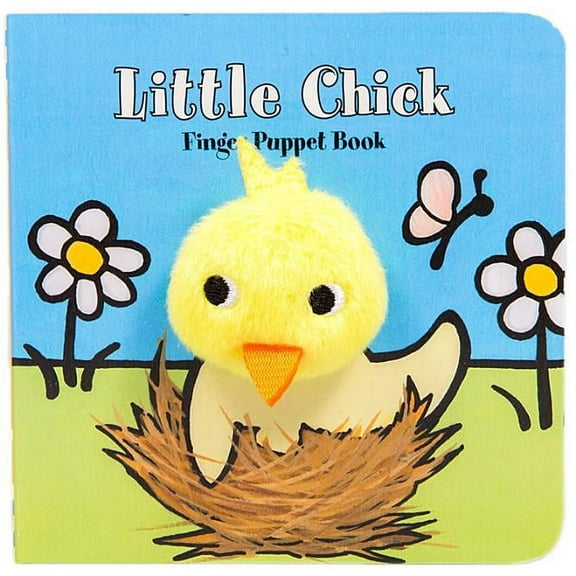
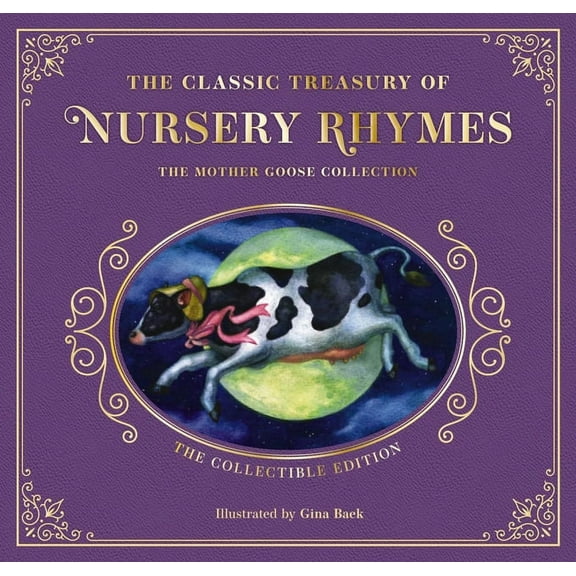
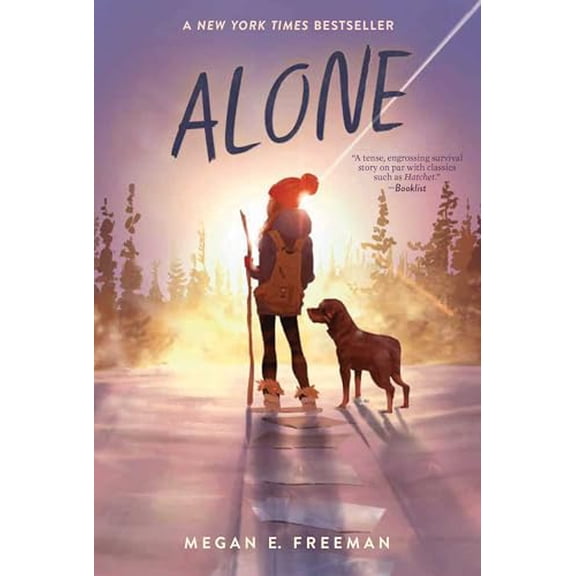





About Stories in Verse Kids' Books in Children's & Kids' Books - Walmart.com
Stories in verse kids books help you make reading feel rhythmic, memorable, and engaging. You can choose rhyme, free verse, and poetic storytelling that fit toddlers through teens.
You may want books that sound lively aloud while still delivering a clear story arc. You’ll also find formats and themes that support bedtime reading, classrooms, and independent reading.
How to choose stories in verse kids books
You can start with the reading experience you want at home or school. You may prefer rhyming stories for kids, or you may want full novels in verse.
When you compare childrens books in verse, look at age group, poetic style, and story length. You should also check whether illustrations support the text for younger readers.
- You can use rhythm and rhyme to make read-aloud time more engaging.
- You can match verse style to your child’s reading level and attention span.
- You can choose formats that fit gifting, travel, bedtime, or listening time.
- You can explore themes like animals, fantasy, and historical fiction through verse.
Choosing book format and age group
You should consider book format first because it shapes how your child uses the book. You may choose board book editions for small hands or hardcover copies for repeated read-aloud sessions.
If you want a lighter option, you can compare paperback editions for backpacks and travel. If you prefer listening time, you can choose audiobook formats that highlight pacing and line breaks.
You’ll want target age group to guide story length, vocabulary, and page design. You can look for toddler and preschool titles with repetition, pictures, and short lines.
For early readers, you may prefer simple stanzas that build confidence without dense paragraphs. For middle grade and young adult readers, you can explore novels in verse with deeper plots.
You may also check Lexile measure or grade level when you want extra guidance. You can use those details to compare challenge level without losing the fun of verse.
Comparing poetic style in childrens books in verse
You can think of poetic style as the way the story moves on the page. You may notice rhyming patterns create a musical flow that works well for read-aloud moments.
If you want a more natural speaking rhythm, you can look for free verse. You’ll often find free verse gives older readers emotional depth without long blocks of prose.
You may also come across haiku collections and narrative poetry for kids. You can use haiku for brief, image-rich reading, while narrative poetry carries a fuller plot.
When you compare children's poetry books, consider how each style sounds in your voice. You’ll often find rhyme supports repetition, while free verse supports reflection and character development.
You should also look at illustrations when you choose poetic style for younger readers. You can use pictures to help children connect each poem or scene to the story.
Matching theme, length, and complexity to real reading moments
You can narrow your options by thinking about when and where your child will read. You may want bedtime rhyming books for short nightly routines and calmer page counts.
If your child enjoys quick wins, you can choose compact stories with predictable rhythm. If your child wants a longer journey, you can look for verse novels with chapter-like progression.
You may prefer animal themes for playful read-aloud sessions and easy character recognition. You can choose adventure or fantasy stories when your reader likes imaginative worlds and brisk pacing.
For thoughtful discussion, you can look at social-emotional learning themes told through verse stories for children. You may also choose historical fiction when you want story depth with a distinct voice.
You should compare complexity with your child’s stage, not just age on the cover. You can look for shorter lines, clearer spacing, and illustrations for newer readers.
As your reader grows, you may want fewer pictures and more layered themes. You can use that shift to move from rhyming picture books to middle grade fiction in verse.
When rhyming stories for kids make sense
You can use rhyming stories for kids during circle time, bedtime, or first independent reading attempts. You’ll often notice rhyme makes repeated reading feel familiar and inviting.
If you’re building a home library, you can mix board books, picture books, and audiobooks. You may find that variety helps you support both short attention spans and longer listening sessions.
You can also choose stories in verse kids books for classroom shelves and gift giving. You’ll have an easier time matching age, format, and poetic style when each decision is clear.
With the right blend of rhythm, theme, and reading level, you can make story time feel engaging from the first line to the last page. You’ll come away with books that fit real reading habits.