

Kids Books About Cars Trains and Vehicles
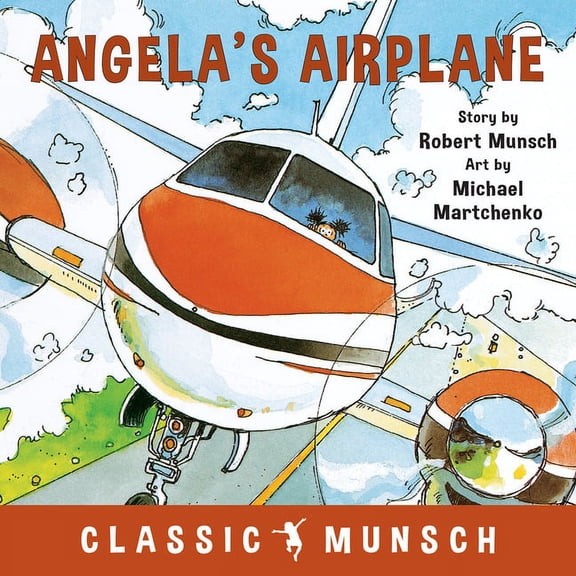

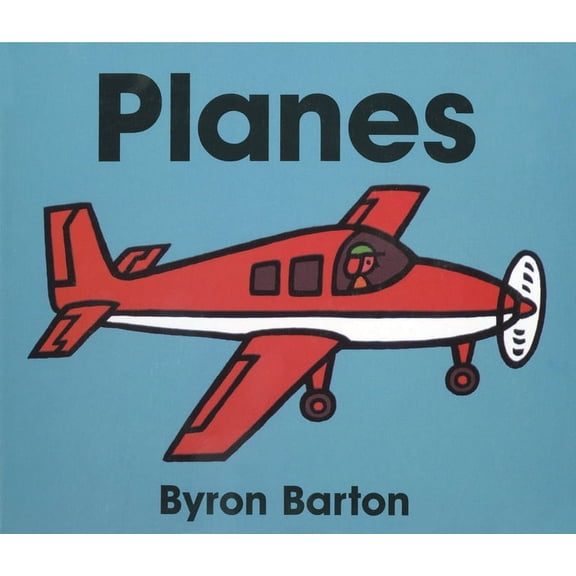


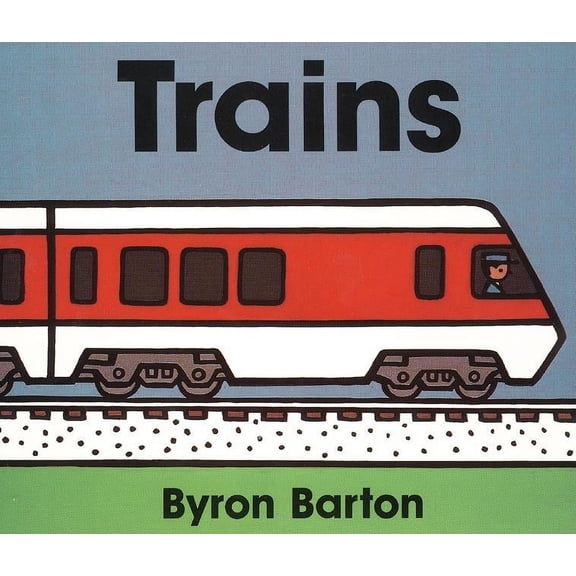
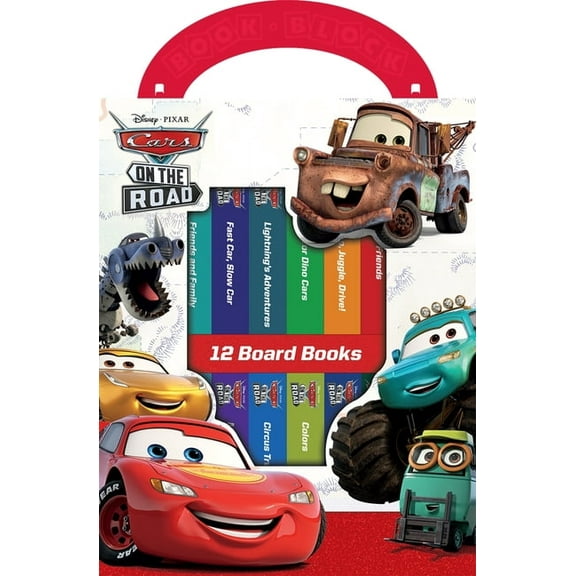














About Kids Books About Cars Trains and Vehicles - Walmart.com
With cars trains things that go books, you can match vehicle stories to your child's age, format needs, and favorite machines. You can choose sturdy pages, interactive elements, and familiar themes that keep reading time focused and fun.
How to choose cars trains things that go books
When you compare this category, you should start with age range because page durability and reading length matter right away. You may want shorter text for infants, simple plots for preschoolers, and fuller stories for early readers.
For ages zero to two years, you should look for thick pages that little hands can turn easily. You can also focus on bright vehicle art and simple words that support short reading moments.
At ages three to five years, you may want picture books with clearer storylines and more detailed scenes. You can keep attention longer with cars, trains, trucks, and tractors shown in action.
For ages six to eight years, you can consider longer stories with more text on each page. You may also look for books that name vehicle parts, routes, jobs, and travel settings.
What to look for in book formats
You should compare book format next because it shapes how your child handles each book. You can choose board book, picture book, hardcover, or paperback based on reading habits and page durability.
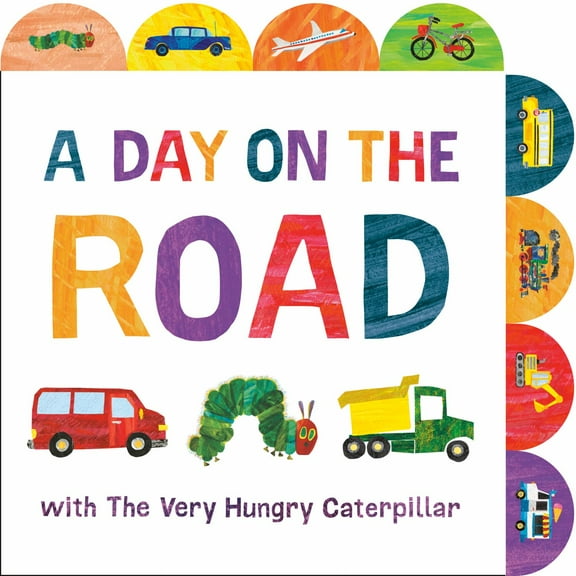
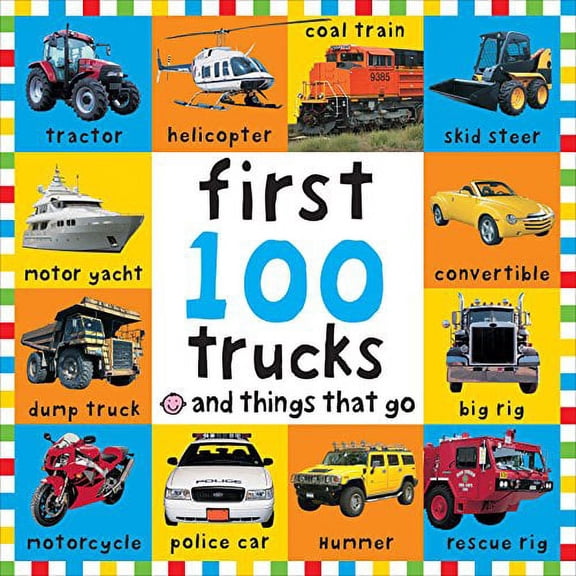
If you need things that go board books, you can count on thicker pages for repeated turning. You may prefer this format for stroller bags, bedtime baskets, or floor play with toddlers.
Picture books give you larger illustrations and room for story details that hold preschool attention. Hardcover options give you a sturdier feel, while paperback choices give you lighter carry-around convenience.
- You can pick board books for ages zero to two and frequent rereading.
- You can choose picture books when your child enjoys fuller scenes and simple plots.
- You can compare hardcover and paperback when you want a balance of durability and portability.
- You can look for page layouts that keep text clear and vehicle images easy to follow.
Choosing vehicle themes your child already loves
You can narrow this category fast when you start with a favorite vehicle type. Your child may connect faster with cars, trains, trucks, tractors, or airplanes they already notice every day.
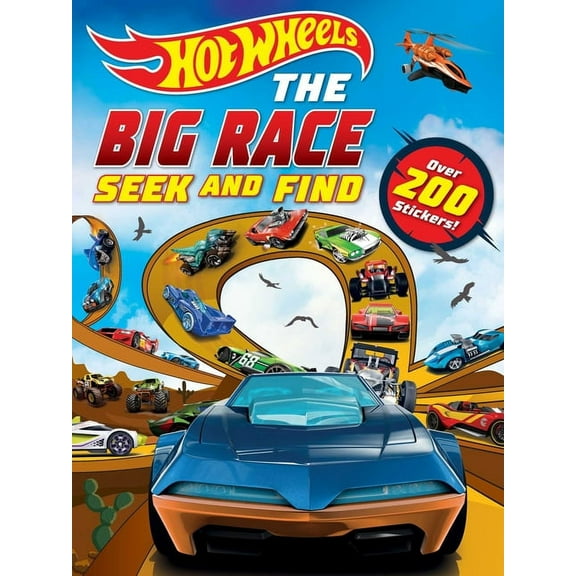
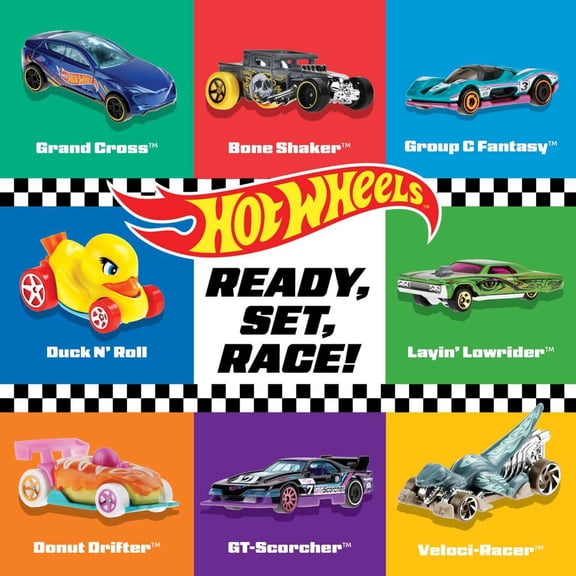
If you want children's books about cars, you can look for racing scenes, road trips, garages, and city traffic. You may also find stories with counting, colors, and simple action words built into each drive.
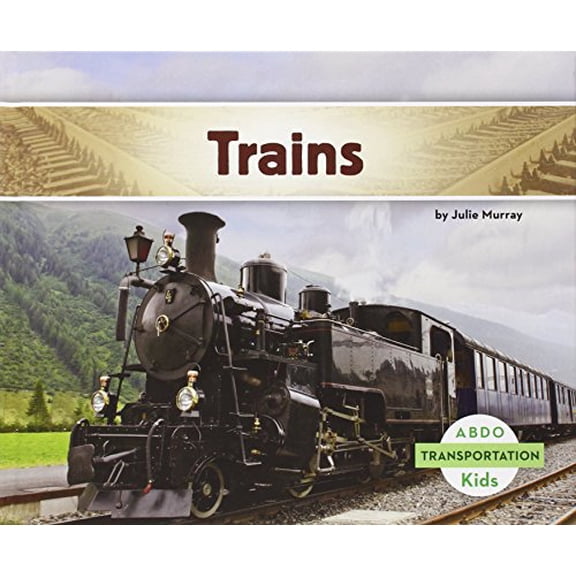
When you need train books for toddlers, you should check for bold engine art and easy page turns. You can use train themes for station talk, track play, and familiar chugging sounds during reading time.
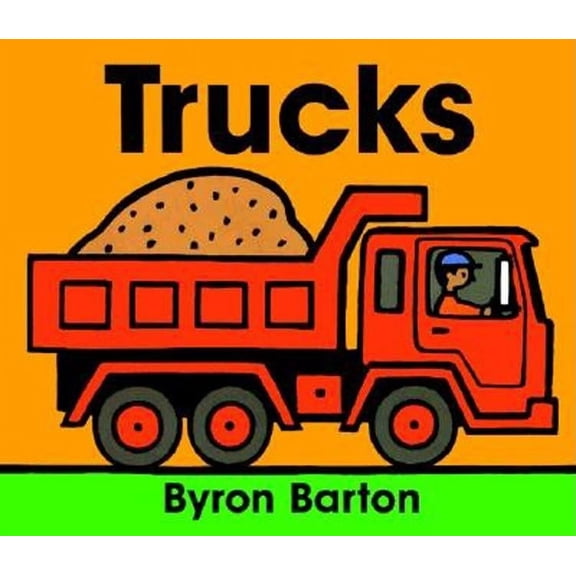
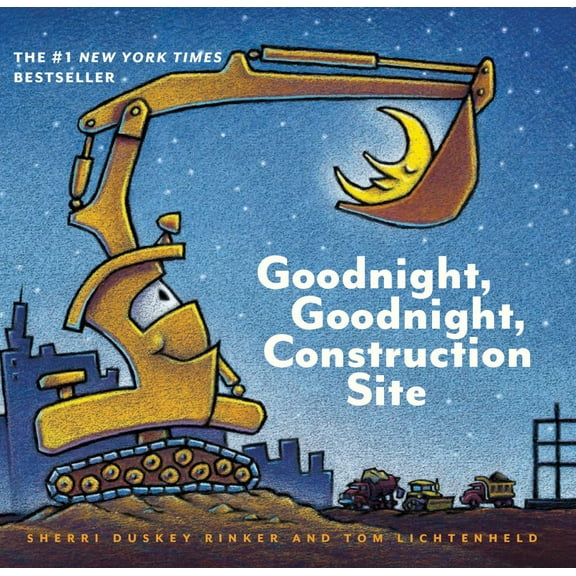
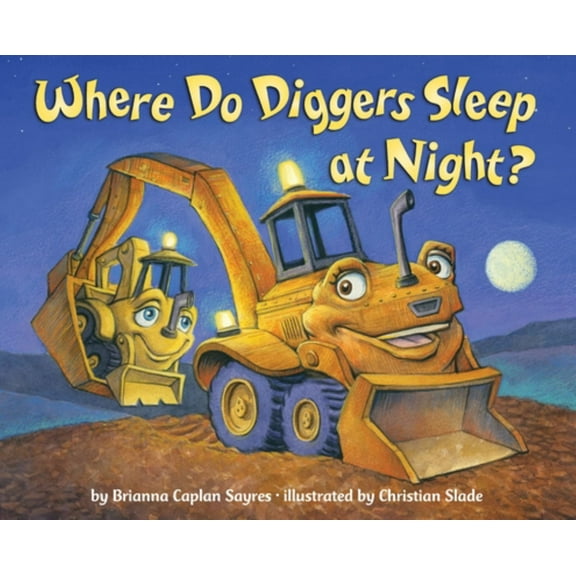
Truck and construction themes help you connect reading with diggers, dump trucks, and construction truck books your child may already request. Tractor and airplane stories also give you farm and travel settings that feel distinct.
Comparing interactive features
You should review interactive features if your child stays engaged by touching, moving, or discovering details. You can compare lift-the-flap, sound books, touch and feel pages, and push and pull elements.
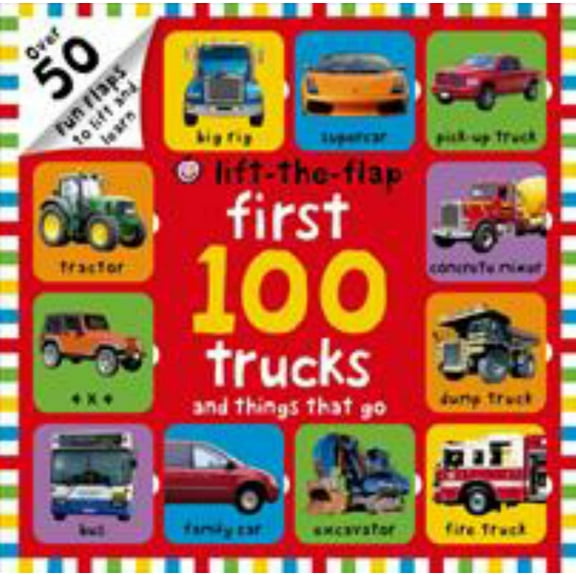
Lift-the-flap books let you reveal hidden vehicles, drivers, or cargo across each spread. You can use that format when your child likes guessing games and quick page-to-page surprises.
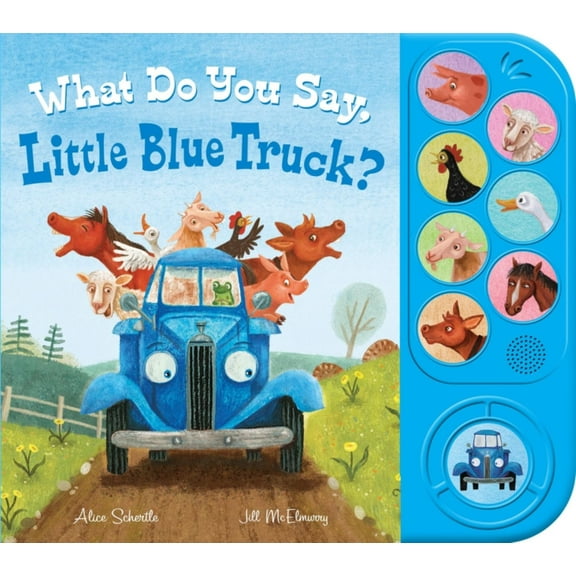
Sound books give you engine noises, horns, or train sounds that connect pictures to familiar audio. Touch and feel pages let you add texture, while push and pull tabs create simple motion.
If you want interactive vehicle books, you should also check how many moving parts fit your child's age. You can keep younger readers engaged with simple actions and older readers interested with layered scenes.
Matching books to reading moments
You can choose more confidently when you match each book to your daily routine. Your reading context may include bedtime, car rides, classroom read-alouds, or quiet afternoon play.
For bedtime, you may want calmer stories with steady rhythm and familiar vehicles rolling home. You can use shorter board books when you need a quick routine before sleep.
For playtime, you might choose busy picture books with roads, tracks, farms, or airports to explore. You can connect the story to toy cars, train sets, or truck play already on the floor.
In preschool or early learning spaces, you may look for books that support counting, colors, matching, and naming. You can also choose stories that introduce how vehicles move, work, and travel.
When siblings read together, you can mix formats so younger and older readers both stay involved. You may pair a board book for page turning with a longer story for shared discussion.
Why this category works for growing readers
You can use vehicle books to support repeated reading because familiar themes make story time easier to start. Your child gets recognizable cars, trains, and trucks, while you get age-based formats that fit everyday reading.
With the right mix of format, age range, vehicle type, and interaction, you can make story time feel clear and engaging. You can turn a favorite machine into a book choice that keeps attention on the page.