

Mathematics Kids’ Books in Children’s & Kids’ Books







About Mathematics Kids’ Books in Children’s & Kids’ Books - Walmart.com
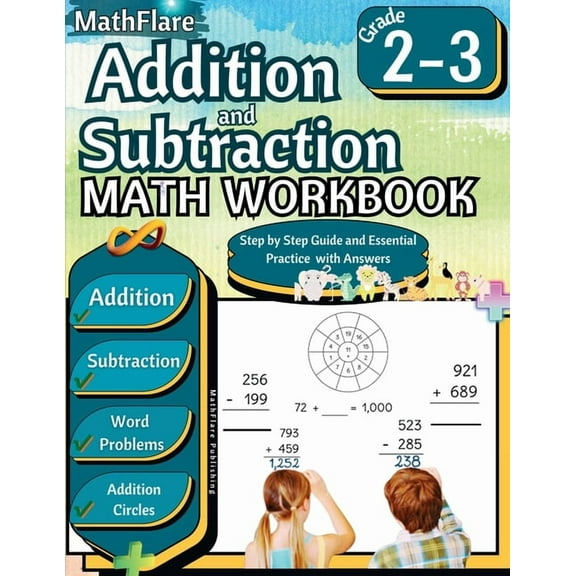
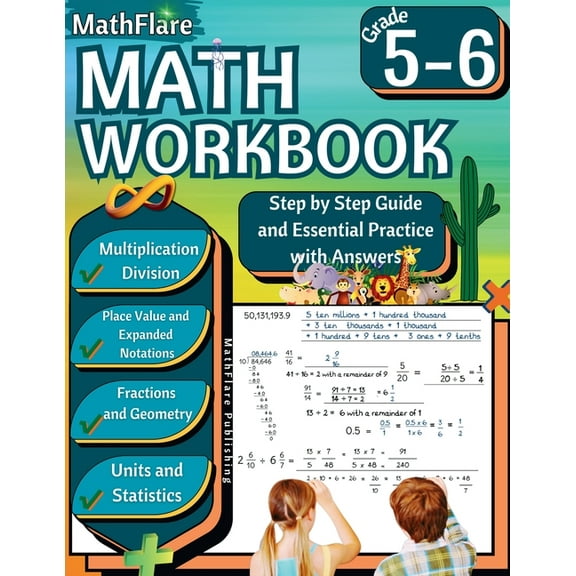
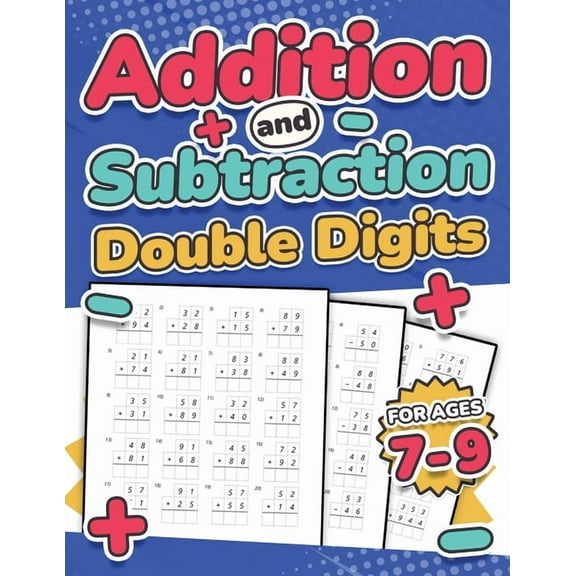
Kids math workbooks help you match practice time to your child’s age, grade, and learning style. You can compare workbook, picture book, flash card, and interactive formats without losing focus on school-ready skills.
When you shop this category, you can sort choices by toddler, preschool, kindergarten, elementary school, or middle school needs. You can also compare counting, fractions, geometry, and other concepts that fit current lessons.
How to choose kids math workbooks by age and grade
You should start with age group and grade level, because that choice shapes how each activity fits your child’s current skills. You can look for toddler math books with counting, shapes, and picture cues that support early number recognition.
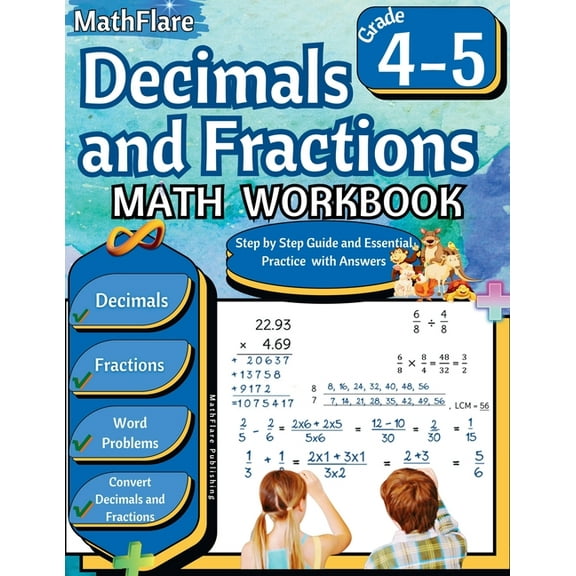
For preschool and kindergarten, you may want tracing, number writing, and beginner addition with visual prompts. For elementary school, you can compare multiplication, division, fractions, and geometry practice that reflects classroom expectations.
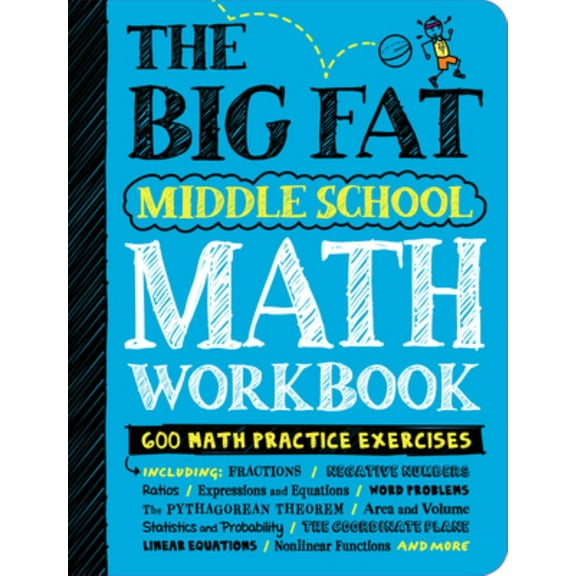
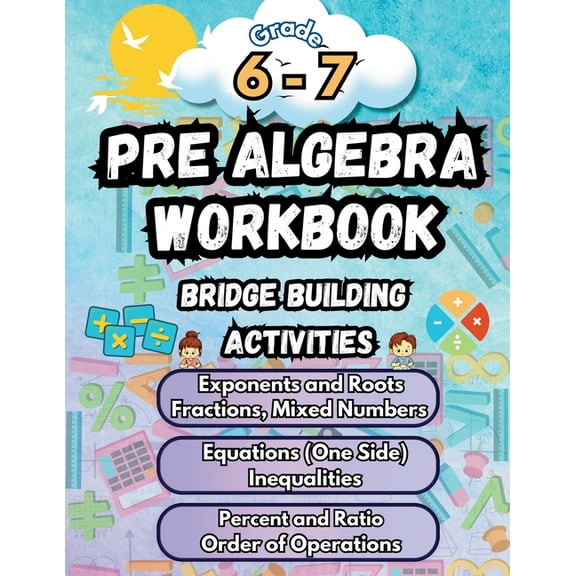
If you’re shopping for middle school learners, you should check whether the material builds skills in a clear sequence. You can use grade labels and skill summaries to match the book to current lessons.
What to look for in math books for kids
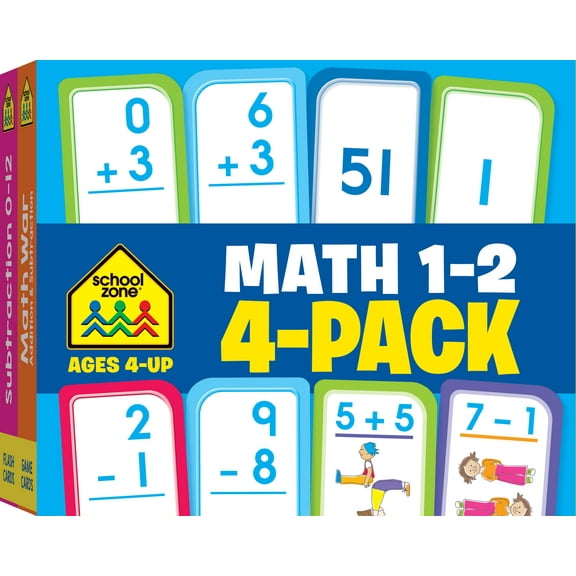
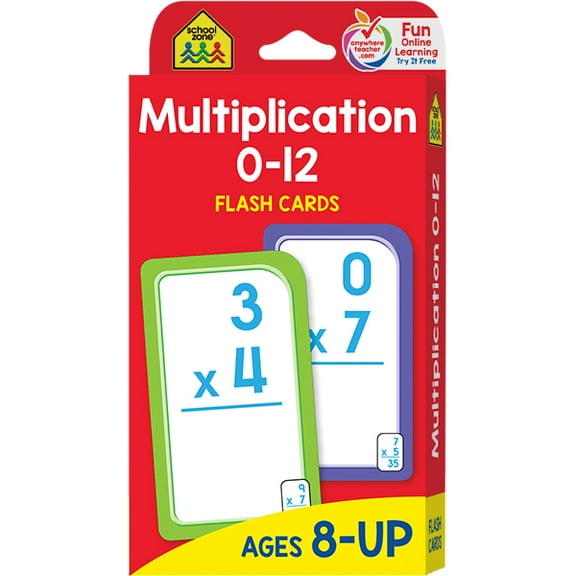
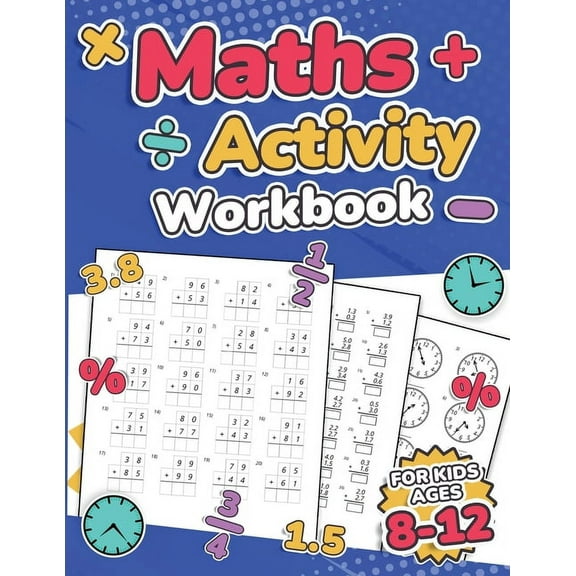
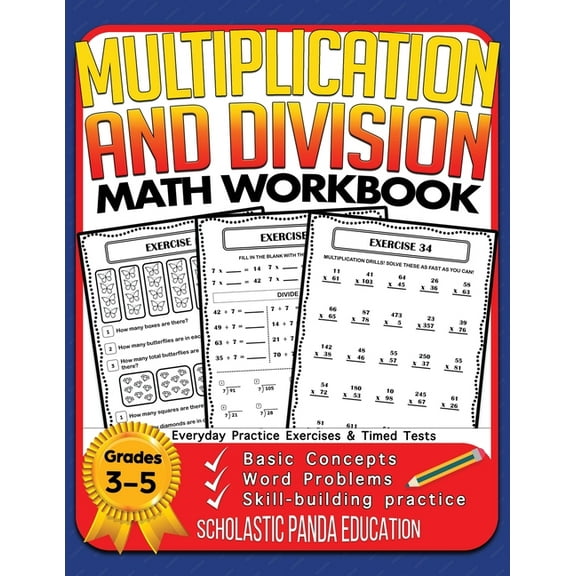
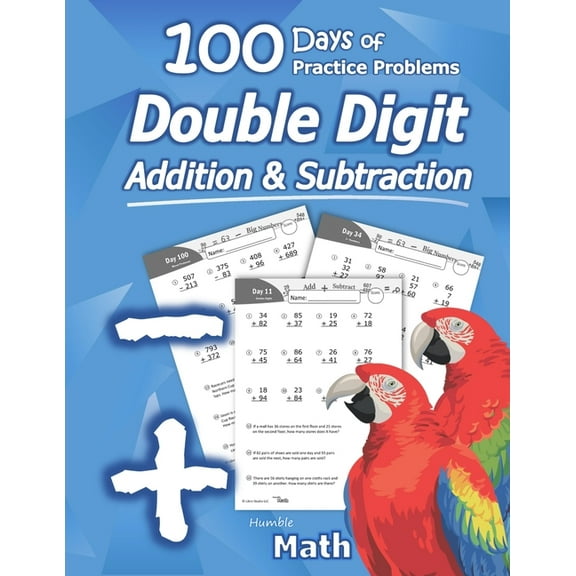
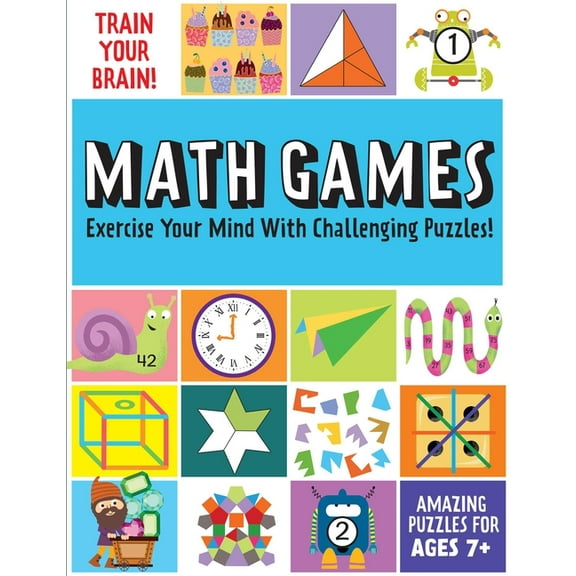
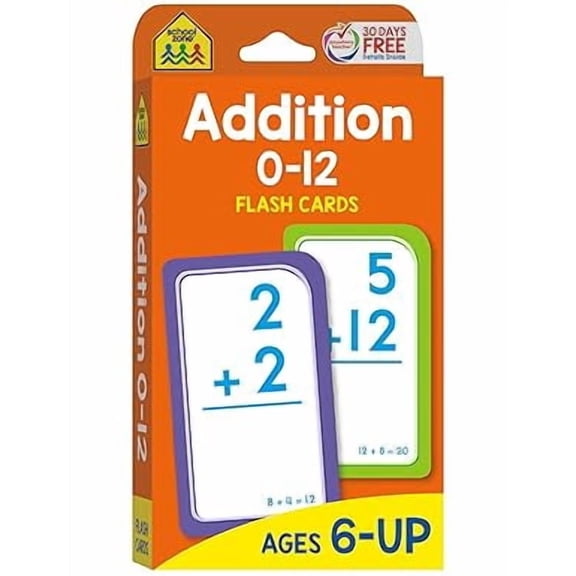
You can use format as a shortcut when you want learning to fit your child’s attention span. You may prefer workbooks for repeated practice, picture books for read-aloud time, flash cards for drills, or interactive books for hands-on pages.
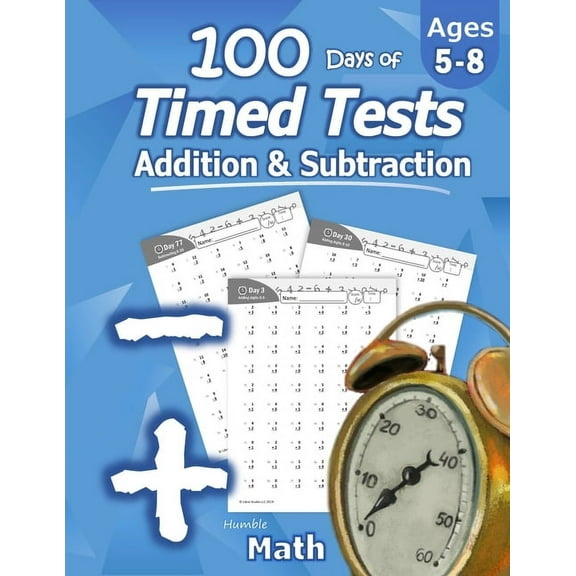
When you compare math workbooks for kids, you should check how much writing each page requires. You may want shorter exercises for younger children or longer mixed practice for students who need steady review.
- You can build routine practice with workbook pages that follow a lesson order.
- You can make early concepts feel more approachable with picture books and color illustrations.
- You can keep review portable with flash cards and compact interactive formats.
- You can add motivation with stickers, wipe-clean pages, or personalized details.
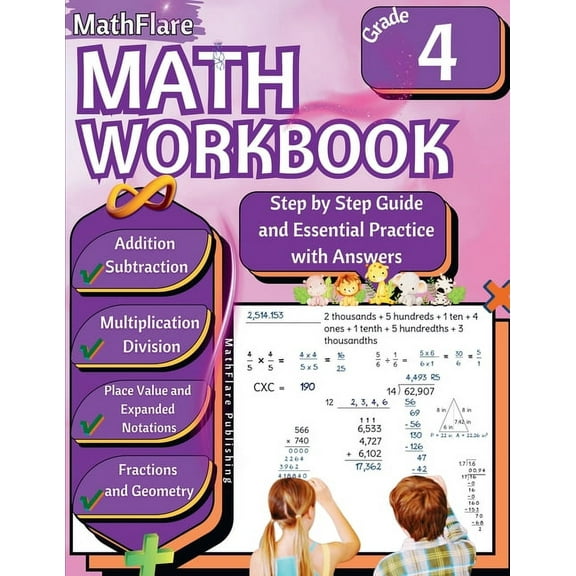
You may also want books that include answer keys, because they make home review easier. You can check answers quickly and keep practice moving without searching for outside help.
Comparing math workbooks for children by concept and features
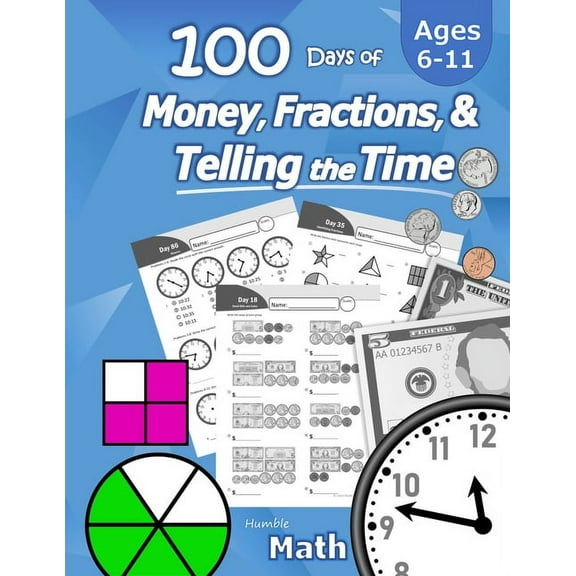
You should compare the exact math concept before you choose a title, because counting needs differ from fractions practice. You can narrow your options faster when you know whether your child needs addition and subtraction, geometry, or multiplication and division.
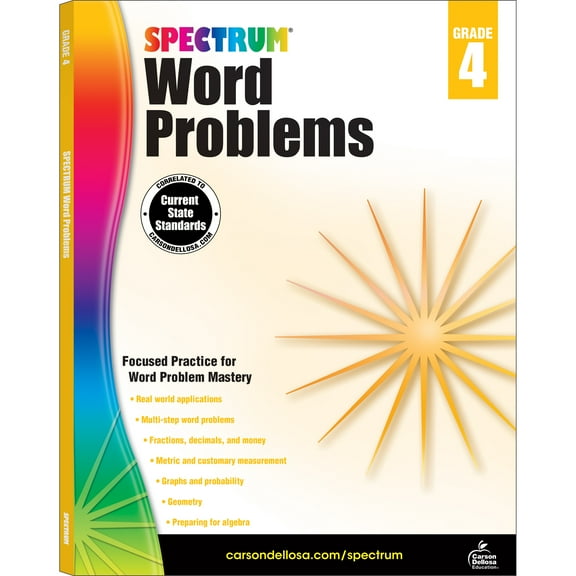
For younger learners, you may look for counting books with large numerals, matching tasks, and color illustrations. For older students, you can focus on multi-step practice, word problems, and review sets that reflect classroom routines.
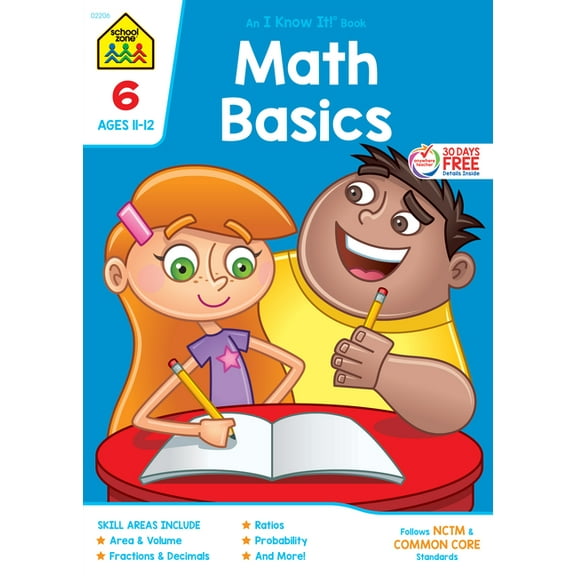
Curriculum alignment matters when you want home practice to feel familiar after school. You can look for books that follow grade-level standards, including Common Core language, so lessons connect more closely to classwork.
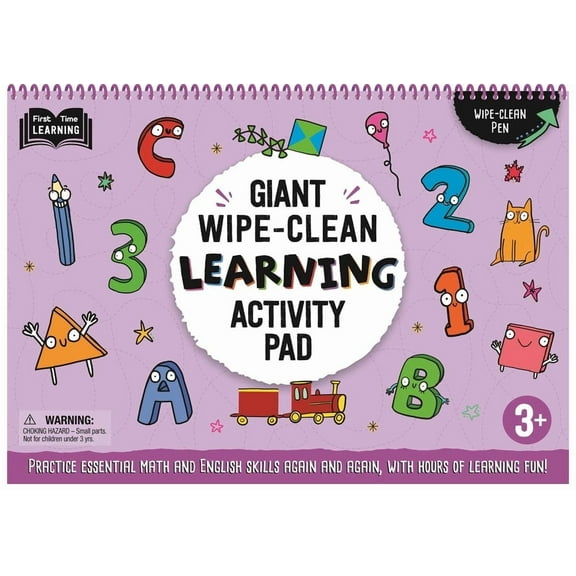
You should also compare page design and extra features before you decide. You may want wipe-clean pages for repeated use, stickers for engagement, or personalized options that feel more tailored.
If you need quick support during review time, you can prioritize books with answer keys or sample solutions. You can review missed problems faster and spot which skills need more practice next time.
Using toddler math books and elementary math workbook options
You can use toddler math books during read-aloud time, car rides, or quiet afternoon routines. You may find that counting objects, naming shapes, and spotting patterns fit naturally into short attention spans.
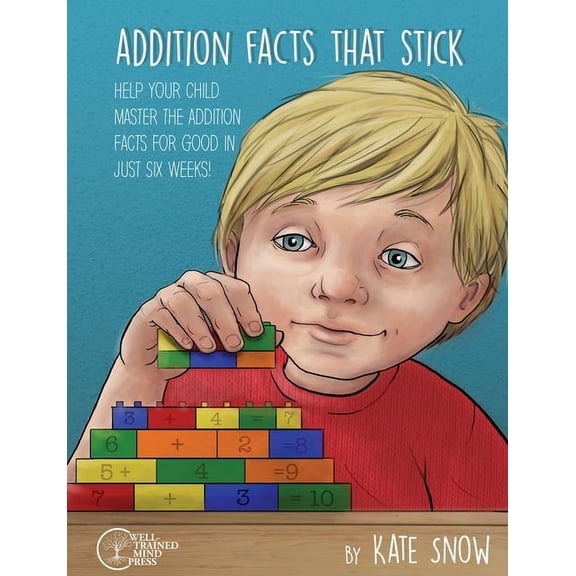
For preschool and kindergarten, you can set up brief practice sessions with tracing, simple sums, and matching games. You can also choose interactive books that mix stickers or reusable pages with number learning.
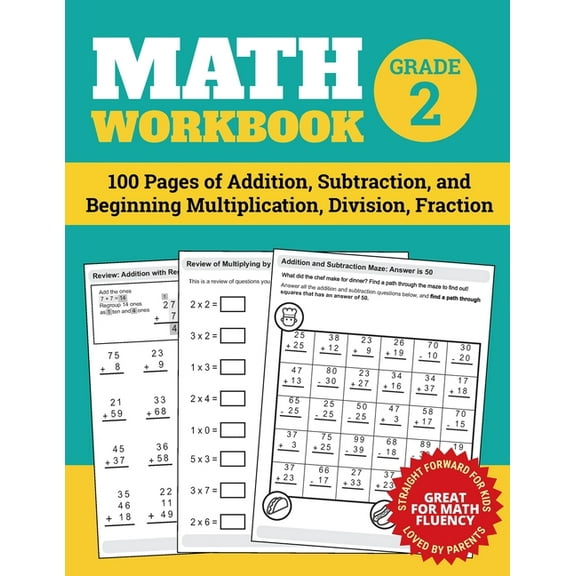
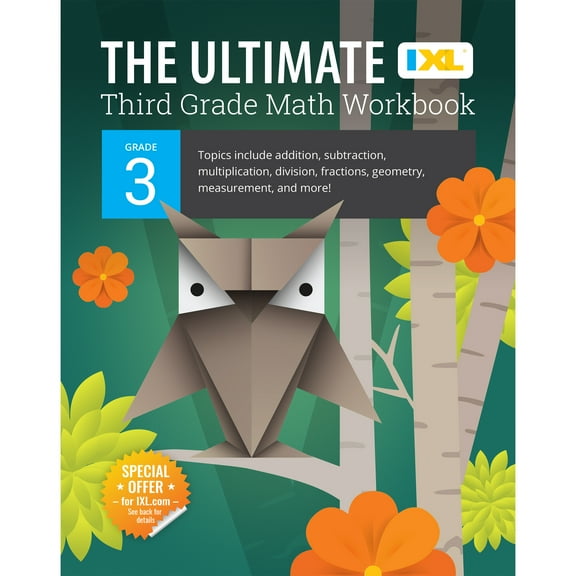
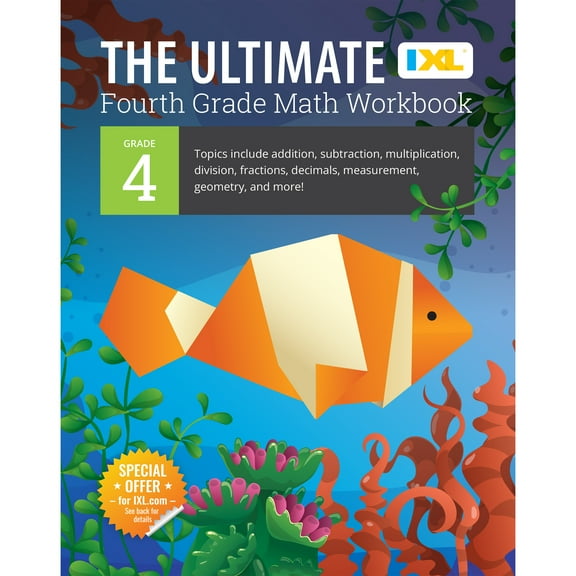
An elementary math workbook can help you support homework review, weekend refreshers, or summer learning plans. You can pick focused practice for one concept or mixed pages that cover several skills in one book.
If your child needs support across formats, you can pair math books for kids with reading-based story problems. You can also choose math workbooks for children that blend illustrations with practice so pages feel less repetitive.
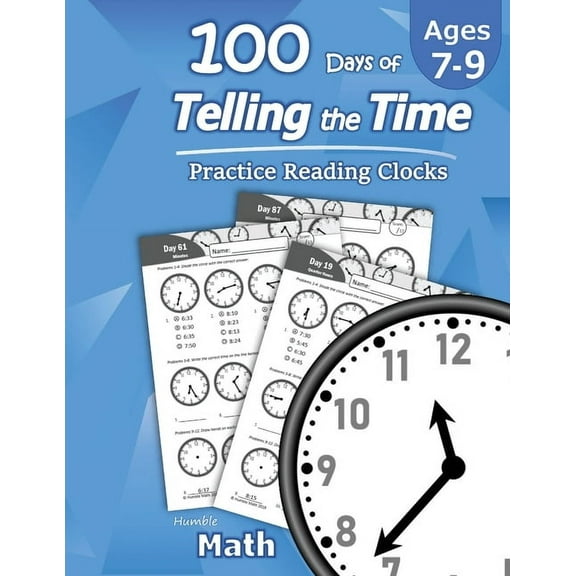
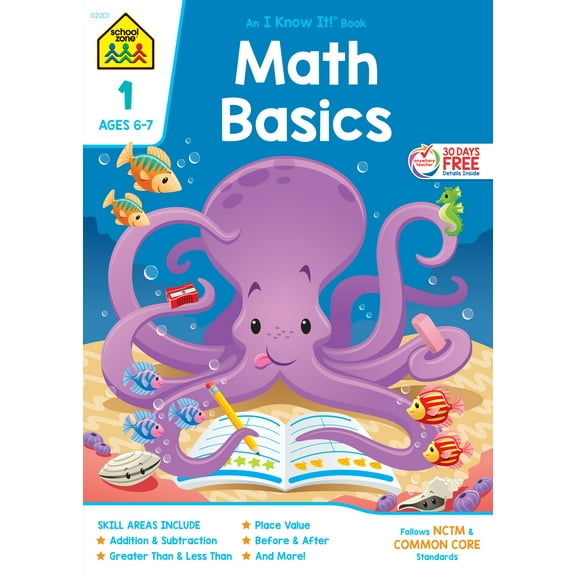
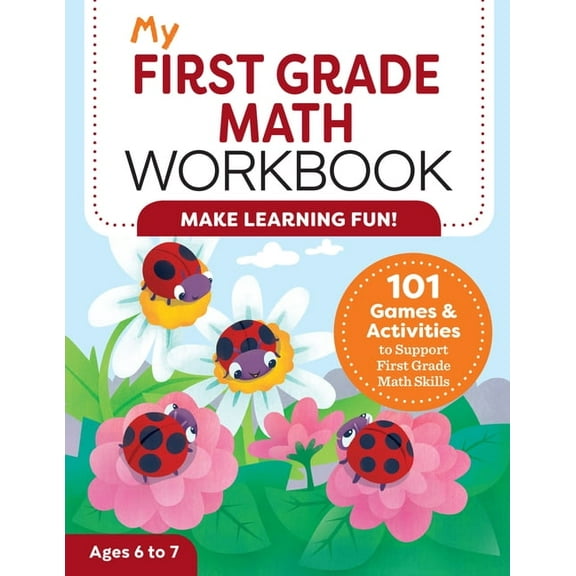
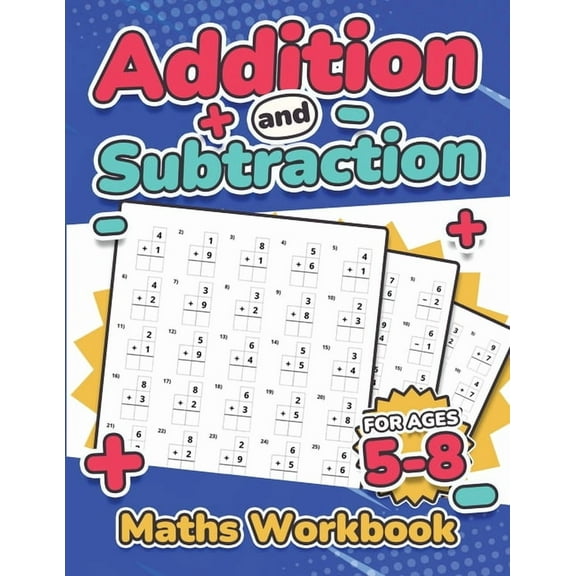
For 6 year olds, you may compare beginner addition, subtraction, counting by groups, and early place value activities. You should look for clear instructions, large print, and a pace that matches first-grade lessons.
When you want flexible learning at home, you can compare books by grade, format, concept, and answer support. You can feel more confident choosing materials that match classroom standards and keep practice focused.