

Nursery Rhymes Kids Books Collection
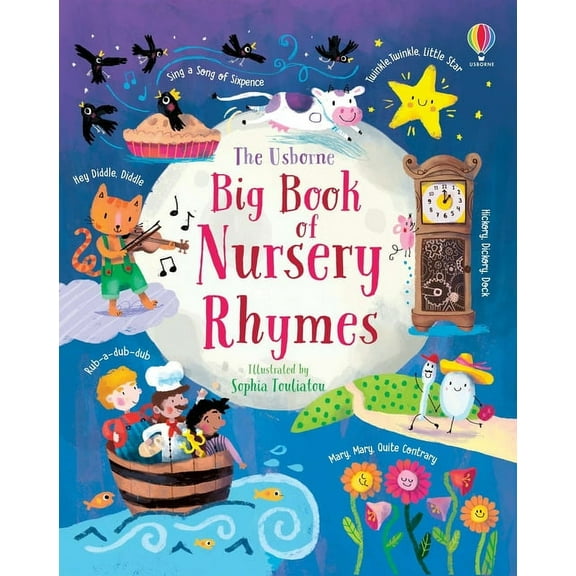


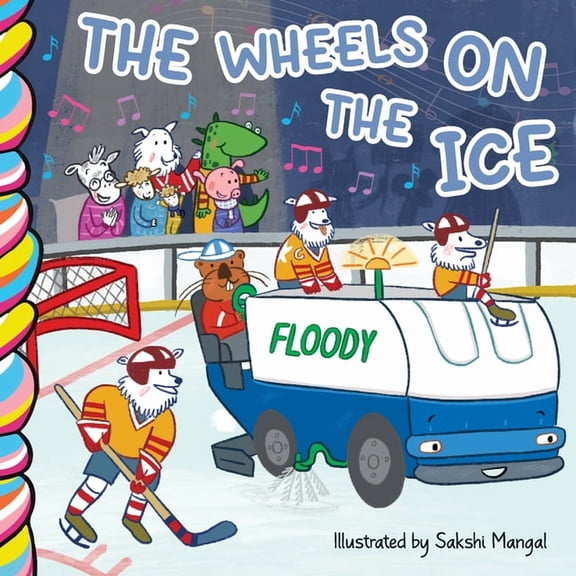



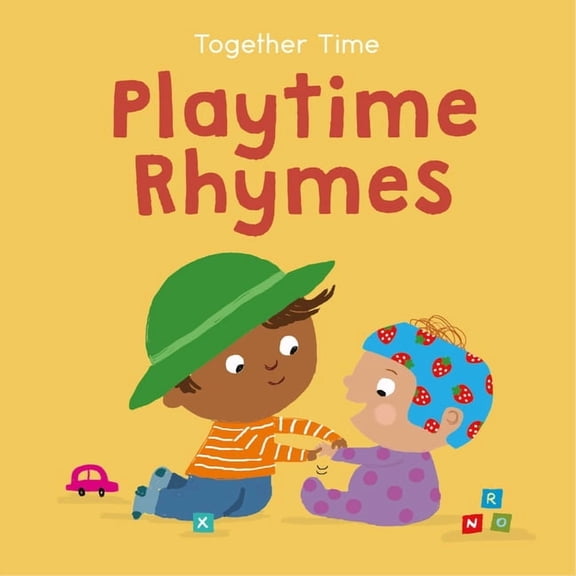











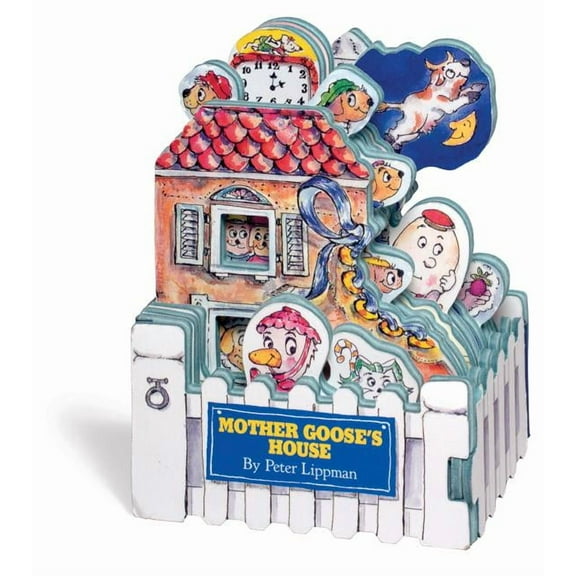
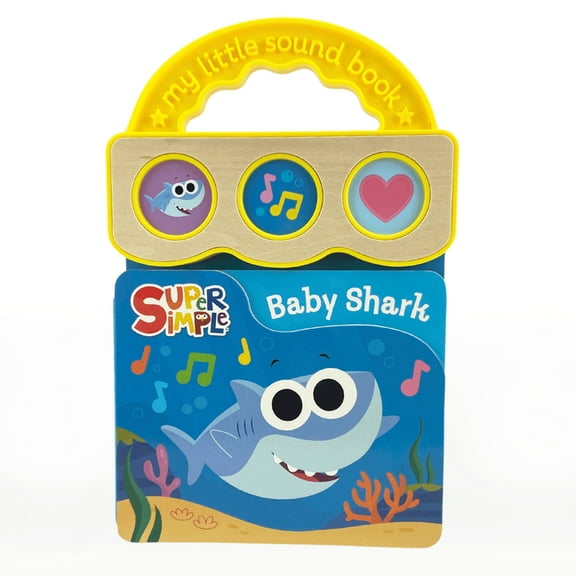
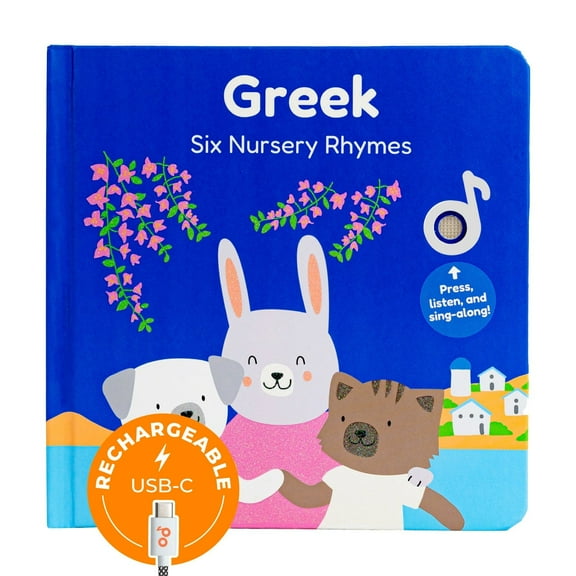
About Nursery Rhymes Kids Books Collection - Walmart.com
With nursery rhymes kids books, you can build cozy reading routines through rhythm, repetition, and familiar verses. You can choose sturdy formats, classic collections, and interactive features that fit your child’s age and attention span.
How to choose nursery rhymes kids books
You’ll want to start with format, because little hands use books differently at each stage. You can compare board books, hardcovers, paperbacks, and sound books based on durability and reading style.
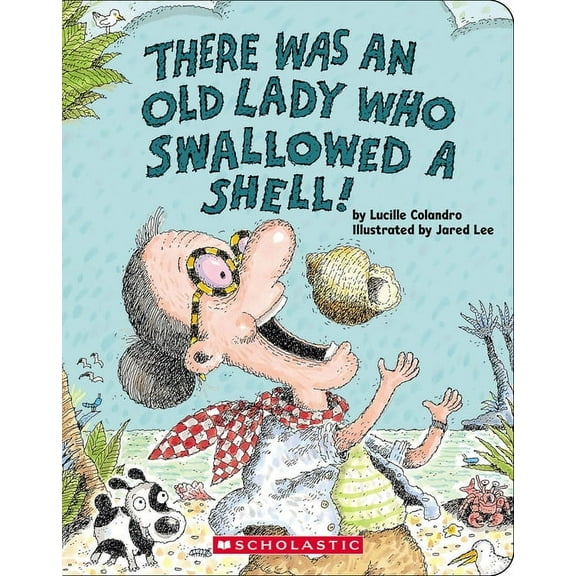
Board books suit babies who grasp, tap, and turn thick pages again and again. Hardcovers give you a keepsake feel, while paperbacks can work well for older preschool story time.
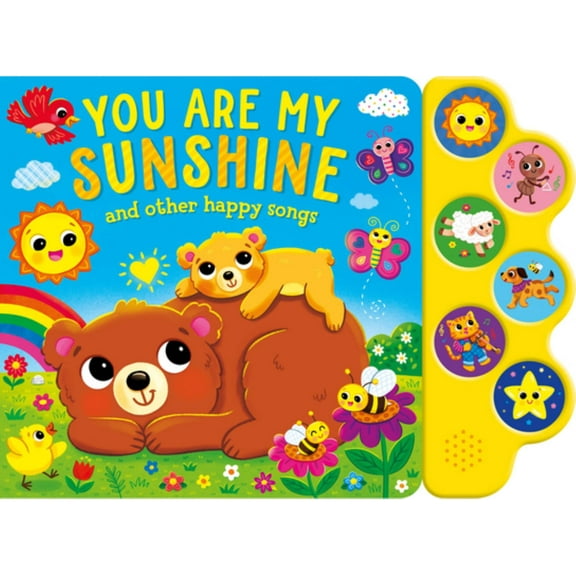
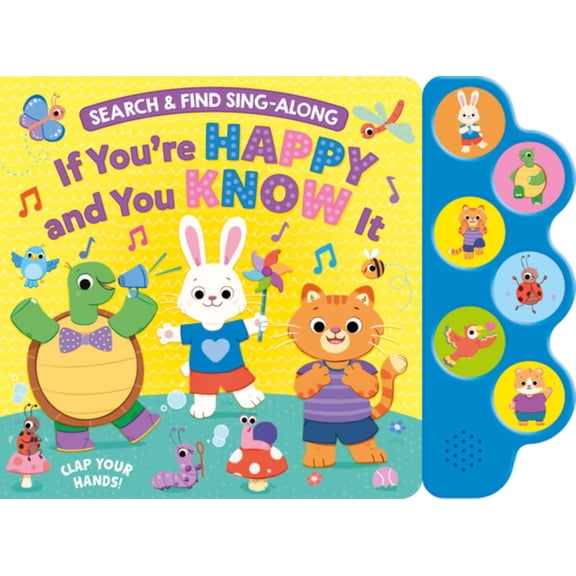
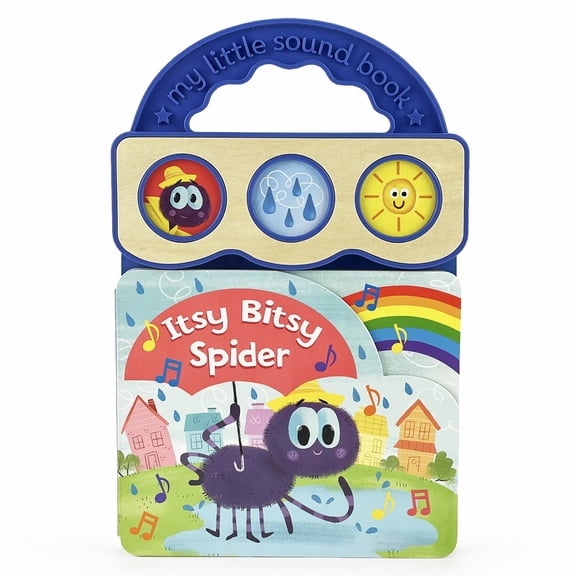
Sound books add buttons that let you play songs or spoken lines during reading. You can also look for touch-and-feel pages or lift-the-flap designs when you want more hands-on page time.
What you gain from nursery rhyme books for toddlers
You can use nursery rhyme books for toddlers to create short reading sessions that feel easy to repeat. You’ll notice the steady patterns help you keep a simple pace at bedtime, playtime, or travel time.
Familiar verses also make group reading feel smoother when siblings or classmates join in. You can revisit the same lines often, which helps your child recognize favorite sounds and characters.
- You can introduce repeated phrases that make read-aloud time easier to follow.
- You can choose shorter rhymes when your child prefers quick books before naps or bedtime.
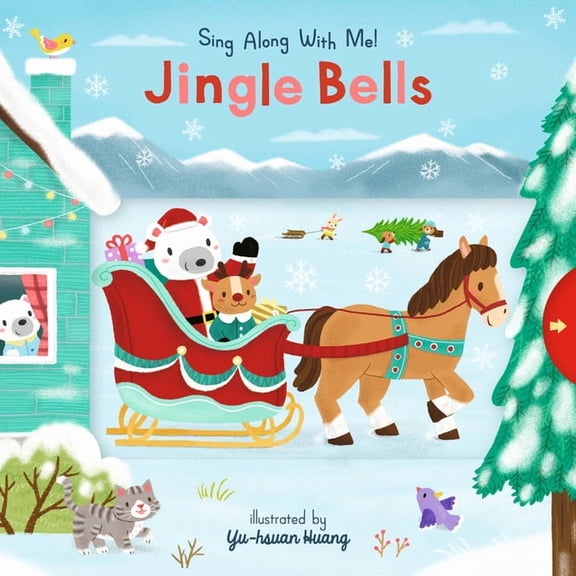
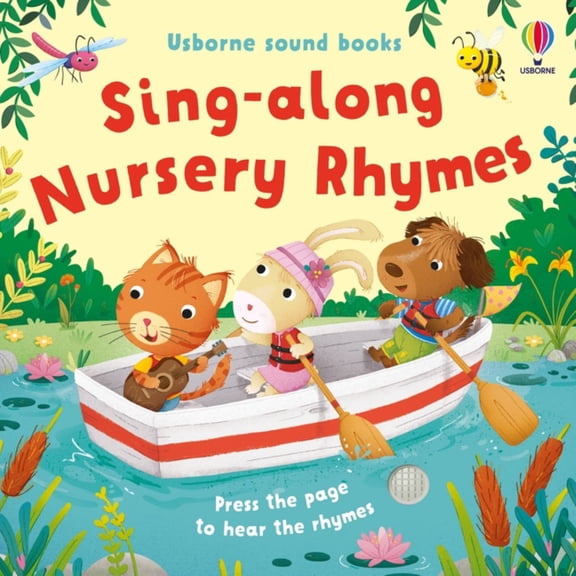
- You can use sing-along titles when your child responds to rhythm, clapping, and repeated lines.
- You can pick interactive nursery rhyme books when your child likes pressing, lifting, or touching pages.
You may also prefer books built around shared classics instead of one long story arc. That format lets you pause after one rhyme or continue through several favorites in one sitting.
Choosing book format and interactive features
You should compare page construction first, because durability often matters as much as the rhyme selection. Thick board pages hold up well for babies, while lighter pages may suit preschoolers who turn carefully.
Sound books work well when you want musical cues without singing every line yourself. Push-button audio can help you introduce tune-based rhymes like “Twinkle, Twinkle, Little Star” with extra engagement.
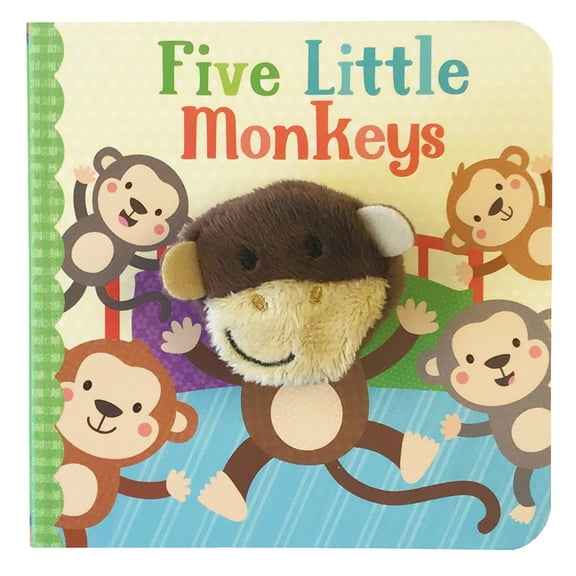
Lift-the-flap designs give you a playful reveal that keeps short attention spans focused. Textured pages and touch-and-feel details can also make baby nursery rhyme books more inviting during lap reading.
You can also compare illustration style before you choose a collection. Bright, simple pictures support quick page recognition, while more detailed art gives older readers more to notice.
Choosing age range and rhyme collections
You’ll usually shop differently for babies, toddlers, and preschoolers because each stage uses books in a different way. Babies often need simple images and durable pages, while preschoolers may enjoy longer nursery rhyme stories.
For ages zero to 12 months, you can look for baby nursery rhyme books with thick pages and short verses. For ages one to three, you may prefer repeated refrains, clear pictures, and easy page turns.
For ages three to five, you can explore fuller collections with more rhymes in one book. You may also want hardcover or paperback editions when your child sits through longer read-aloud sessions.
Collection theme matters too, because the included rhymes shape your reading routine. You can choose Mother Goose collections, bedtime rhymes, sing-along books, or classic nursery rhymes with familiar characters.
You may look for titles that include favorites like “Humpty Dumpty,” “Jack and Jill,” and “Hey Diddle Diddle.” You can also check whether a book mixes traditional verses with updated art styles.
Matching nursery rhyme stories to everyday moments
You can match different books to different parts of your day for smoother reading habits. Bedtime rhymes often suit calm routines, while sing-along books fit playrooms, car rides, and family reading circles.
If your child likes repeated songs, you can choose sound books or musical collections for active reading. If your child prefers pointing and exploring, you can try flap books or textured pages instead.
You might keep a board book in the diaper bag for quick reading between errands. You could also keep a hardcover collection at home when you want a longer Mother Goose reading session.
Preschool classrooms and shared reading corners often call for books with recognizable verses and larger pictures. You can use those features to help multiple children follow along without losing interest.
When you want gift-ready options, you can compare hardcover collections with classic nursery rhymes and fuller illustrations. When you want everyday reading copies, you can choose lighter formats that fit busy routines.
What to look for before you decide
You should check the rhyme list, age range, format, and interactive elements before you choose. You can also compare page count and artwork style to match your reading routine and storage space.
With the right collection, you can make story time feel familiar, repeatable, and easy to enjoy. You’ll come away with books that support everyday read-aloud moments through classic verses and child-friendly formats.