

Children's Reference Books for Curious Kids


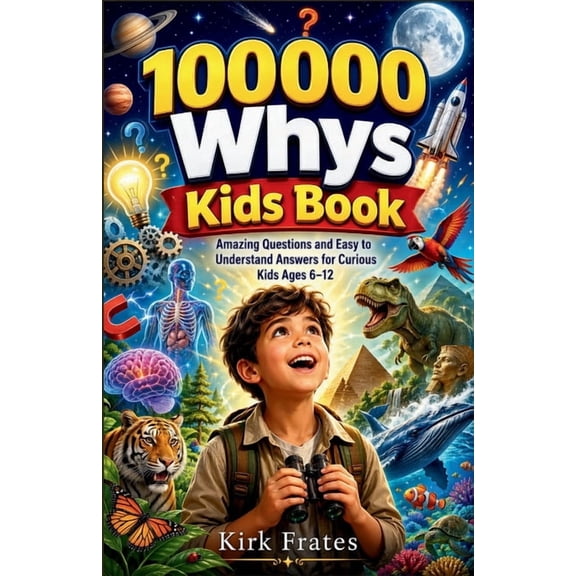

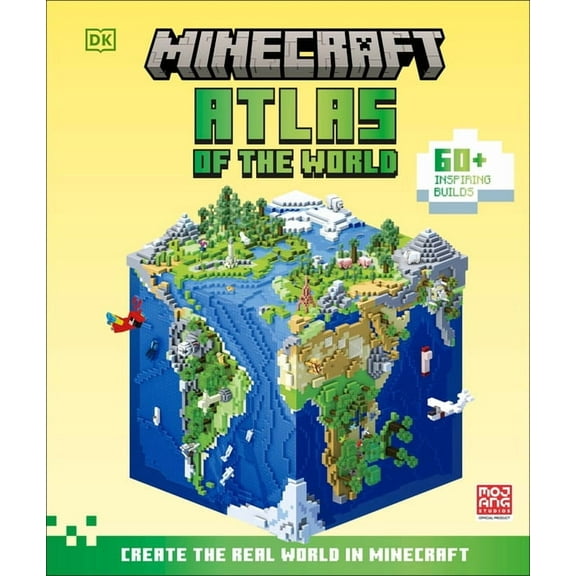

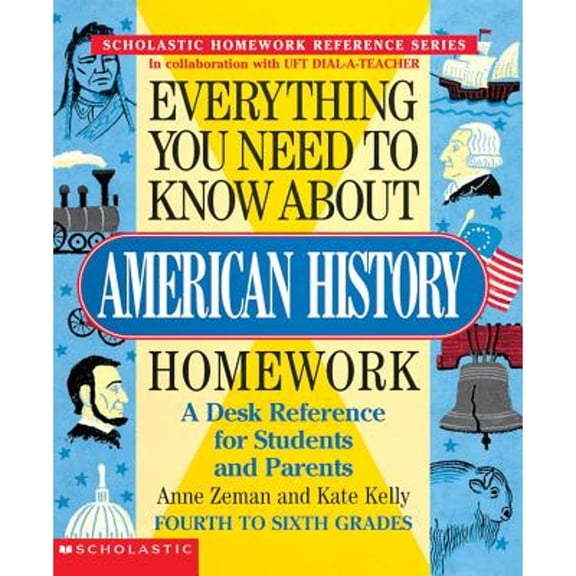
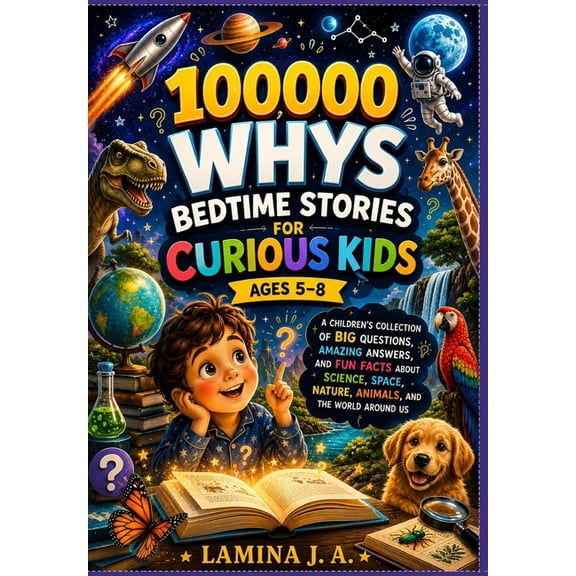
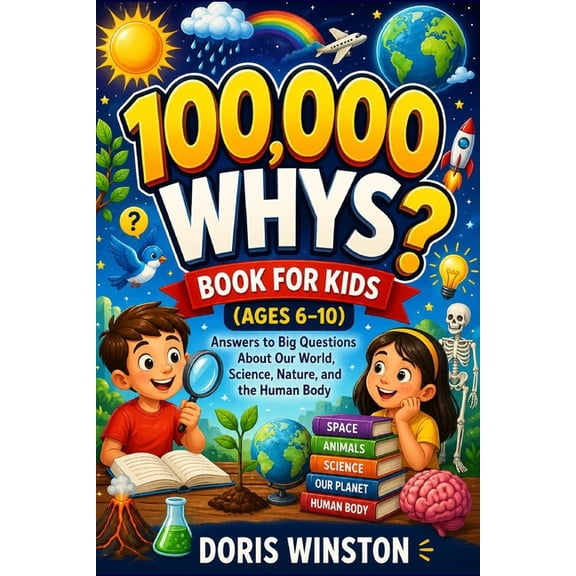


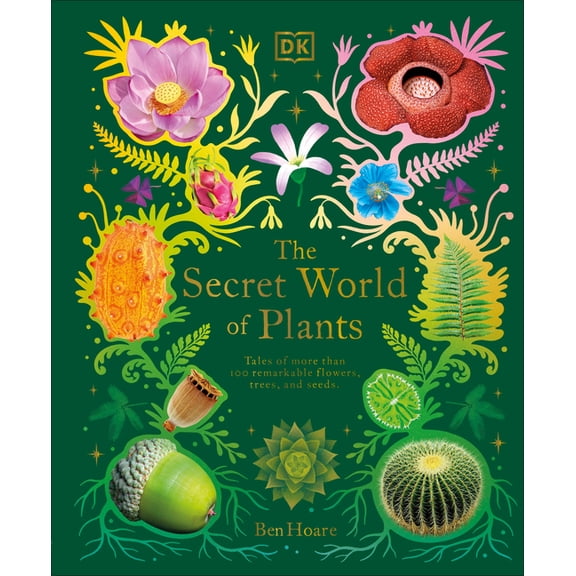

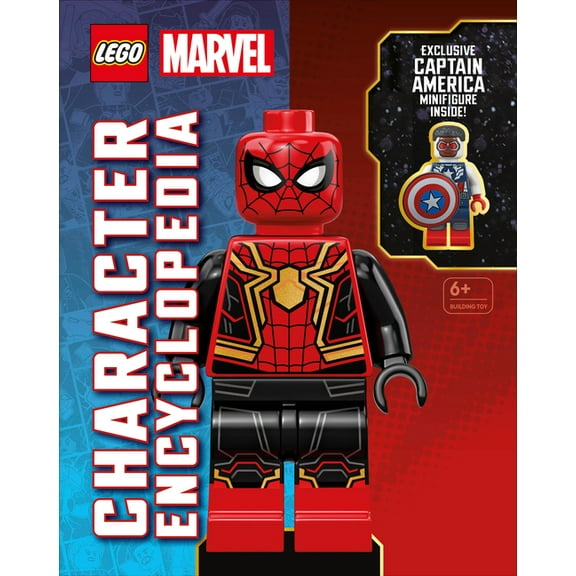









About Children's Reference Books for Curious Kids - Walmart.com
Kids' reference books help you support homework, classroom topics, and curious reading at home. You can compare age groups, book types, subjects, and formats to choose titles that fit daily learning.
How to choose kids' reference books
You should start with your child's age group because reading level shapes how easily your child uses a book. You can match toddler, early reader, grade school, and middle school options to your child's stage.
For toddlers, you may prefer simple labels, sturdy pages, and large pictures that hold attention. For early readers, you can look for short entries, bold headings, and visual cues.
Grade school readers often need reference books for school that support reports, vocabulary work, and topic review. Middle school readers usually need detailed information, clear organization, and wide subject coverage.
You can also compare how much text and artwork appears on each page before you choose. If your child likes visual learning, you may want diagrams, maps, charts, and labeled illustrations.
Choosing book type for school and home
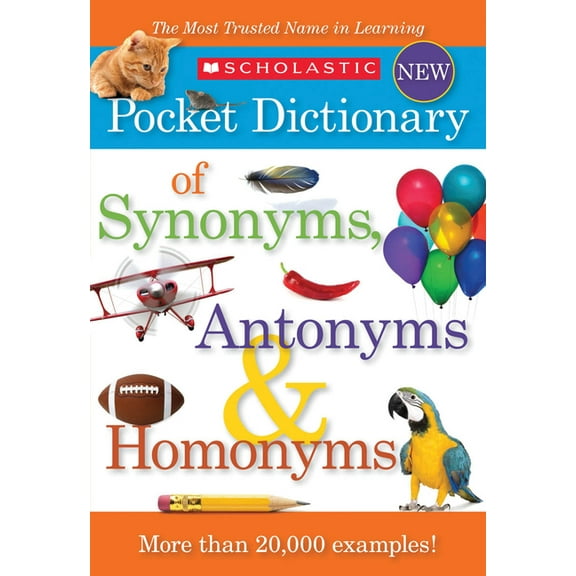
You have several book types to consider, and each one supports a different kind of learning. A dictionary helps your child check spelling, pronunciation, and word meaning during reading and writing.
An encyclopedia gives your child broad facts across many topics in one place. An atlas helps your child explore countries, regions, maps, flags, and landforms during geography lessons.
A thesaurus supports language arts by helping your child compare similar words and expand writing choices. You can keep one type at a desk, or you can build a small mix for different assignments.
- You can use dictionaries for spelling practice, definitions, and vocabulary building.
- You can use encyclopedias for reports, quick fact checks, and general background reading.
- You can use atlases for map skills, geography units, and place-based questions.
- You can use thesauruses for essays, creative writing, and word variety.
What to look for in educational books for kids
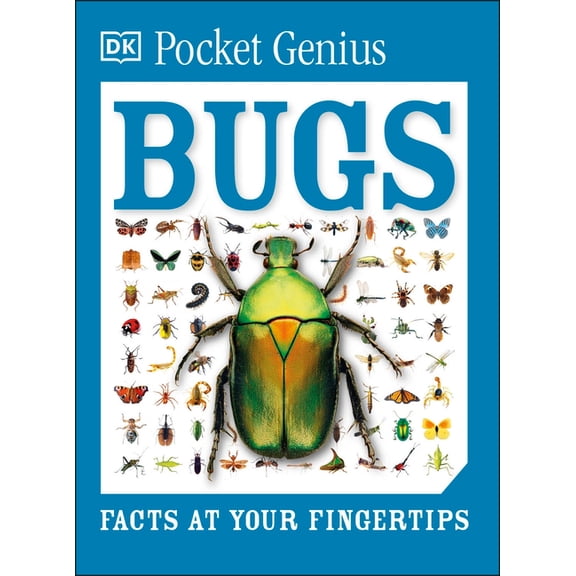
You should check whether the subject matches current classroom needs and personal interests. Science reference books for kids can support unit studies with diagrams, labeled parts, and short explanations.
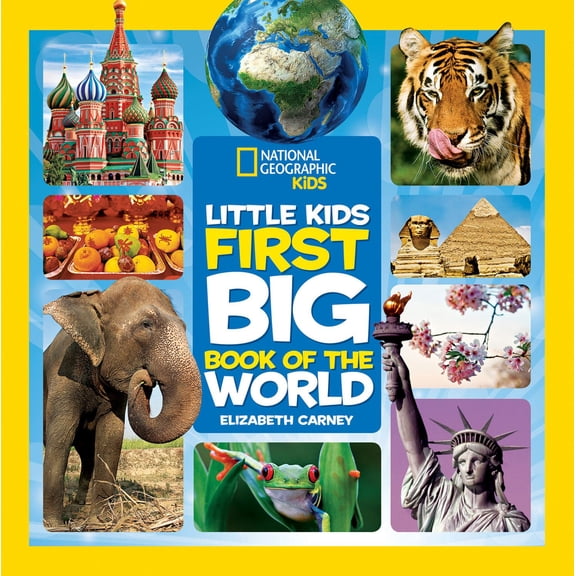
History topics may help your child review timelines, notable people, and major events in a clear order. Geography titles often include maps, region facts, and country details that make place-based learning easy.
Language arts reference books can help your child work through vocabulary, spelling, and word choice. You can also compare visual balance, because some children learn quickly with image-rich pages.
You may want educational books for kids with clear headings, glossaries, indexes, and short sections. Those features help your child locate information quickly when homework time feels busy.
Curriculum alignment matters when you want reading that supports school expectations in plain, useful ways. You can look for titles that cover common classroom subjects, report topics, and grade-based skills.
Choosing the right format and durability
You should think about where your child will use the book frequently before choosing a format. Hardcover books usually suit frequent reference use because you can keep them on a shelf for repeated lookups.
Paperback books may feel lighter in a backpack or reading bin during school weeks. Board book formats can work well for younger children because you can hand them sturdy pages.
You can match durability to routine use instead of treating every format the same. If your child flips through pages often, you may prefer a strong cover and thick pages.
When your child needs a book for occasional projects, you may choose a light format for easy handling. You can also compare trim size if you want a desk-friendly or travel-friendly option.
Using children's reference books by age and subject
You can pair children's reference books with everyday learning moments at home and in class. A younger child may use a picture dictionary during letter practice or simple reading time.
An early reader might use a kids' atlas to connect maps with stories about states, oceans, and world landmarks. A grade school student may use kids' dictionaries and encyclopedias during book reports or science units.
A middle school student may need quick facts, topic summaries, and organized entries for independent assignments. You can keep subject-based titles nearby so your child can move from question to answer quickly.
Science reference books for kids can support projects on planets, weather, rocks, animals, and simple experiments. History and geography titles can help your child compare eras, places, and cultural information.
You can also use these books outside school when your child wants to explore a new interest. That makes kids' reference books useful for both planned assignments and spontaneous learning.
Making a confident choice
You can make a smart pick when you compare age group, subject, book type, and format together. With the right mix, your child gets quick fact-finding, strong homework support, and confident independent learning.