

Children's Philosophy Books for Young Thinkers


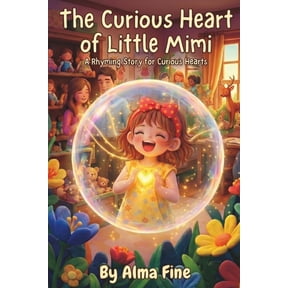
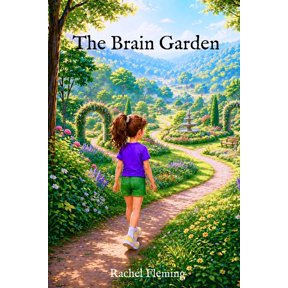



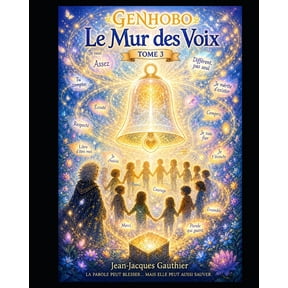


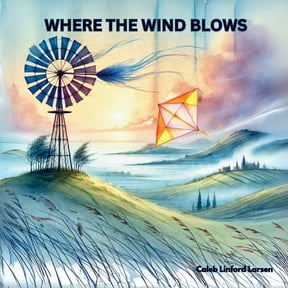

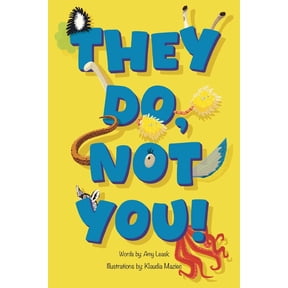
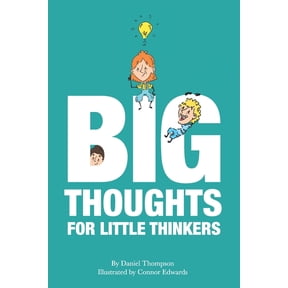

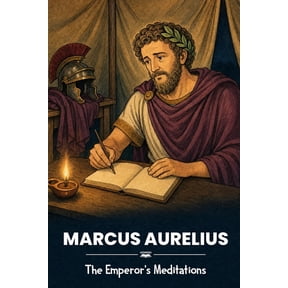


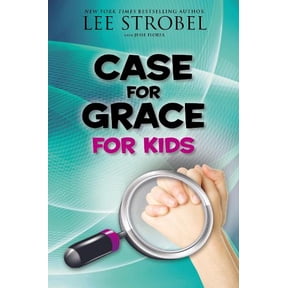





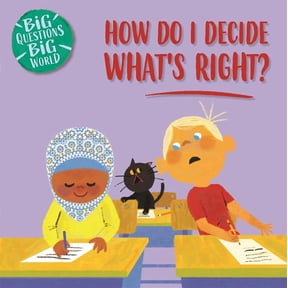







About Children's Philosophy Books for Young Thinkers - Walmart.com
Philosophy kids books help you introduce big ideas in an age-appropriate way. You can explore questions about fairness, choices, logic, and feelings through stories that fit your child’s reading stage.
You may want books that start conversations without sounding like a textbook. You’ll also find formats and themes that support reading time at home, class discussions, and thoughtful gift giving.
How to choose philosophy kids books by age range
You should start with age range because reading grade level shapes how clearly your child can follow abstract ideas. You’ll want topics and vocabulary that match your child’s comprehension and attention span.
For preschool readers, you may prefer board books or short picture books about sharing, kindness, and simple choices. You’ll usually see clear illustrations and short text that make discussion feel natural.
With early readers, you can look for gentle stories that introduce reasons, rules, and consequences. You’ll often find simple plots that help your child connect ideas to everyday moments.
If you’re shopping for middle grade readers, you can compare books with deeper themes like identity, justice, and logic. You’ll notice longer chapters and more layered questions for independent reading.
For young adult readers, you may consider titles that examine beliefs, meaning, and personal responsibility. You’ll often get richer language and more complex situations that support deeper conversations.
What children’s philosophy books can help you explore
You can use children’s philosophy books to turn reading time into discussion time. You’ll have an easy way to talk through fairness, honesty, friendship, and how choices affect others.
- You can introduce ethics through relatable stories about right, wrong, and responsibility.
- You can build logic skills with cause-and-effect thinking, puzzles, and clear reasoning.
- You can explore mindfulness themes that help your child reflect on thoughts and feelings.
- You can use morals-based stories to support classroom talks, bedtime reading, or family discussion.
You may also look for picture books about philosophy when you want visual cues to support understanding. You’ll often find illustrations that make abstract ideas feel concrete and easier to discuss.
If you’re comparing ethics books for kids, you should check whether the story presents choices your child can recognize. You’ll get more meaningful conversations when examples connect to school, friends, and family life.
Choosing format and illustration style
You should compare format because it changes how your child experiences the story. You may prefer hardcover for repeated reading, paperback for lighter handling, board book for younger readers, or audiobook for listening time.
Hardcover editions can work well when you want a sturdy option for classrooms, libraries, or shared family shelves. Paperback editions may suit travel bags, backpacks, and casual reading routines.
Board books make sense when you’re choosing philosophy books for kids who need simple pages and short sessions. Audiobooks can help when you want to listen together in the car or during quiet time.
You’ll also want to measure visual engagement before you choose. Fully illustrated titles can support emerging readers, chapter books can fit growing confidence, and graphic novels can combine dialogue with strong visual storytelling.
If your child responds to images, you should look for illustrated children’s philosophy books with expressive scenes and clear page design. You’ll often find those details help your child follow emotions and ideas.
Comparing sub-genres and discussion prompts
You can narrow your options faster by comparing sub-genres. You may choose ethics for fairness, logic for reasoning, mindfulness for reflection, morals for choices, or existential themes for identity and meaning.
Ethics books for kids often focus on honesty, responsibility, and how actions affect others. Logic-focused titles may present patterns, arguments, or problem-solving that help your child explain why something makes sense.
Mindfulness books can guide calm reflection through stories about attention, feelings, and perspective. Morals-based books often use familiar situations so you can discuss behavior in a simple, direct way.
If you’re considering existential themes, you should look for age-appropriate language and supportive storytelling. You’ll want questions about self, purpose, or belonging presented in a way your child can process.
Discussion prompts matter because you may want more than a one-time read. You should look for books that invite follow-up questions, reflection, or teacher-led conversation after the story ends.
You’ll often appreciate prompts like why a character chose something, what felt fair, or what another choice might mean. You can use those moments to support critical thinking without making reading feel formal.
How philosophy books for kids fit real reading moments
You can use philosophy books for kids during bedtime when you want calm stories with thoughtful themes. You may also use them in homeschool lessons, classroom read-alouds, or small group discussion.
For preschool and early reader ages, you might pair fully illustrated books with short talks about kindness or honesty. For middle grade readers, you can choose chapter books or graphic novels with stronger dilemmas.
If you’re shopping for siblings, you can compare the same sub-genre across different age ranges and formats. You’ll keep the shared theme while matching each child’s reading level.
Teachers and caregivers may look for titles that support discussion prompts and reading comprehension goals. You can connect stories to writing exercises, debate practice, or simple journal responses.
When you want a thoughtful gift, you can choose a theme that matches the child’s interests. You might pick logic for puzzle lovers, mindfulness for reflective readers, or morals for family reading time.
With the right philosophy kids books, you can match age range, format, sub-genre, and illustration style to your child’s needs. You’ll end up with stories that make big ideas easier to understand and discuss.