












Kid’s Activity Books


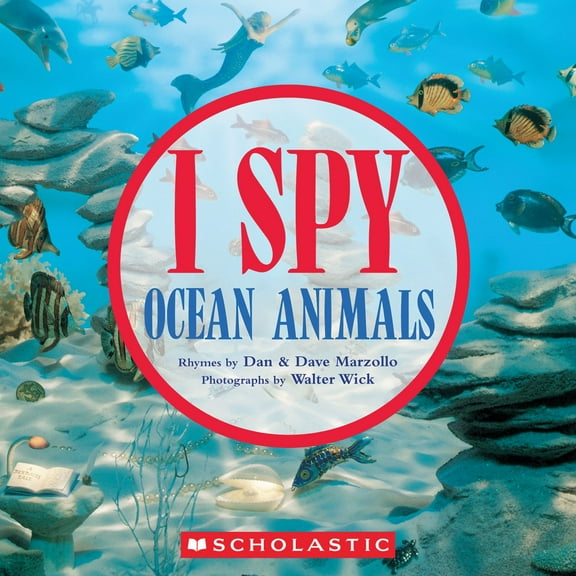
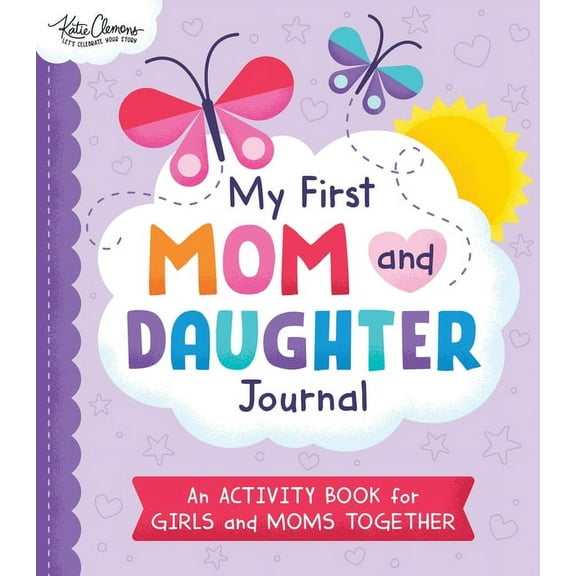


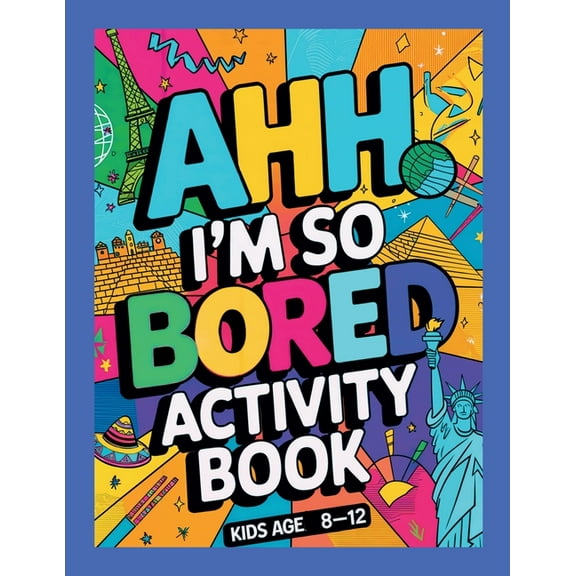
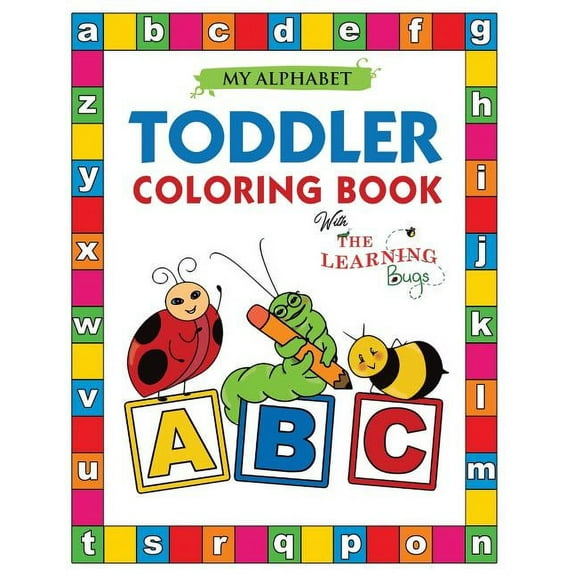


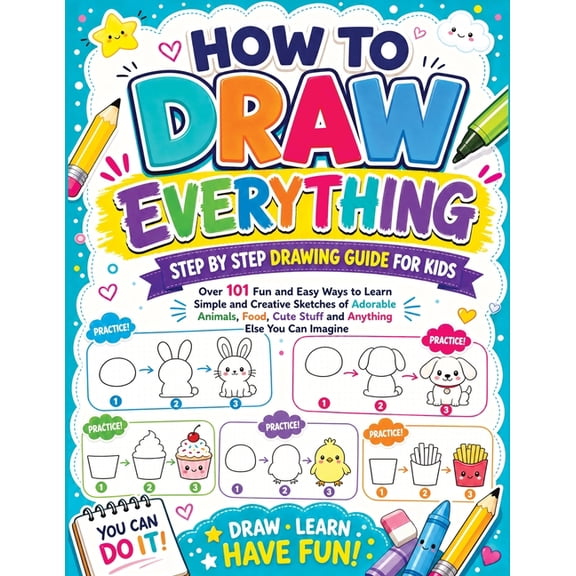
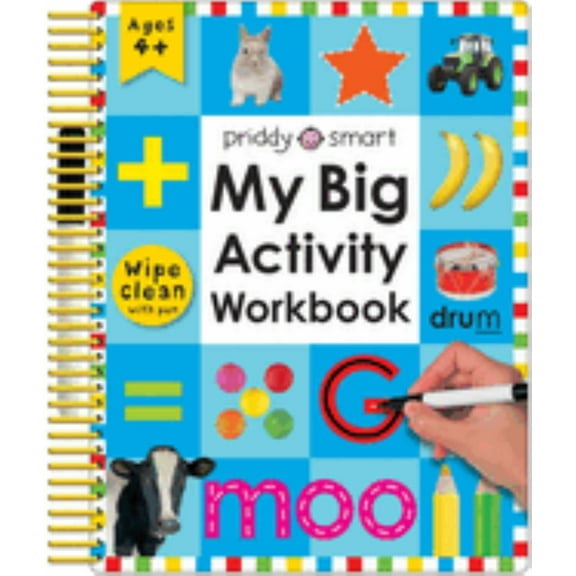
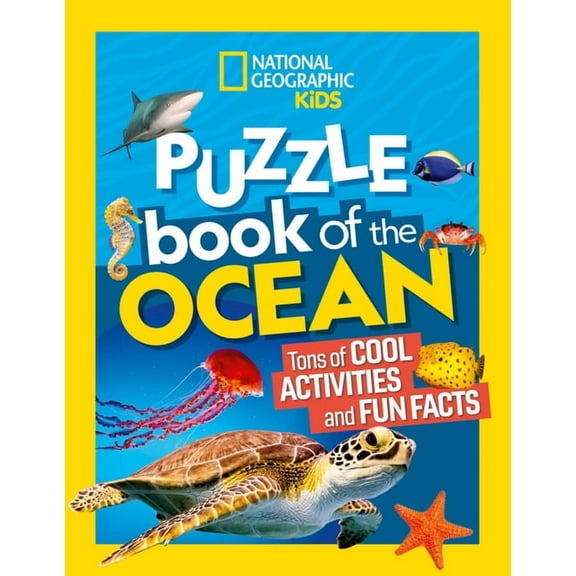



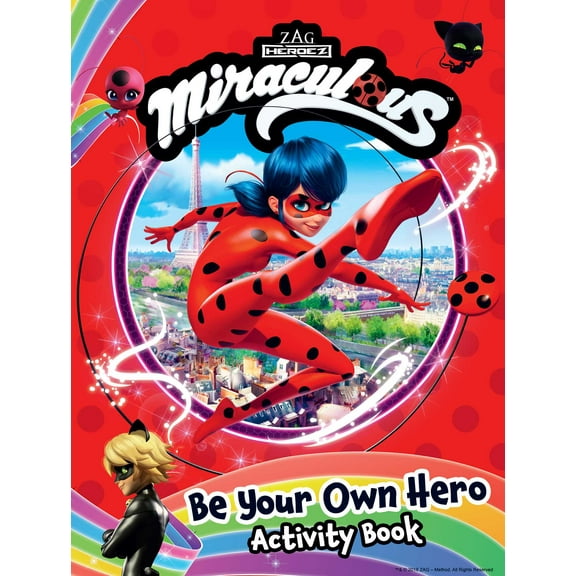
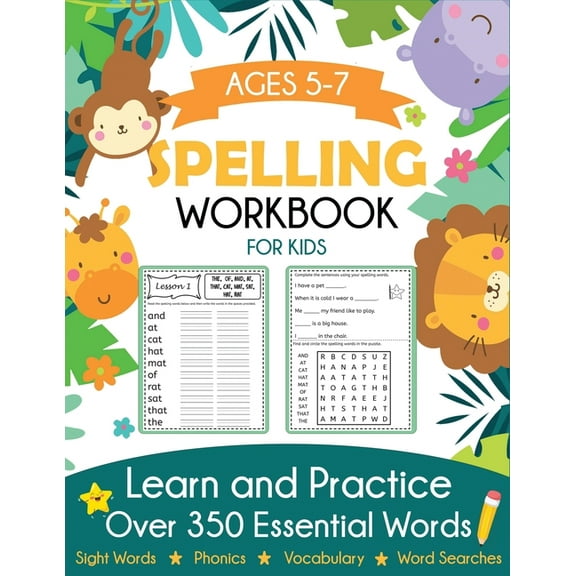
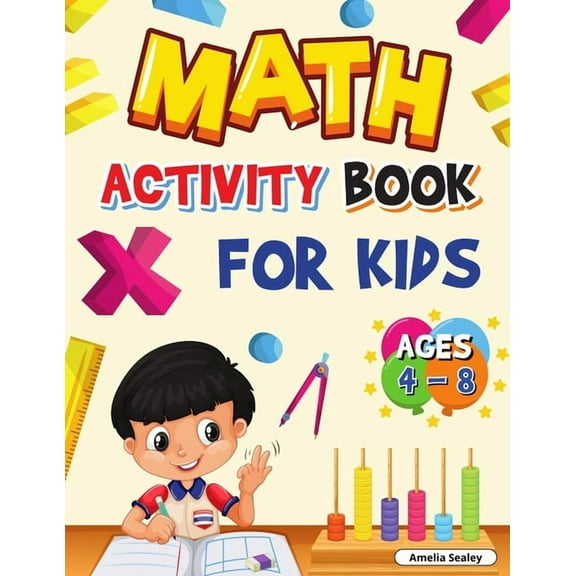

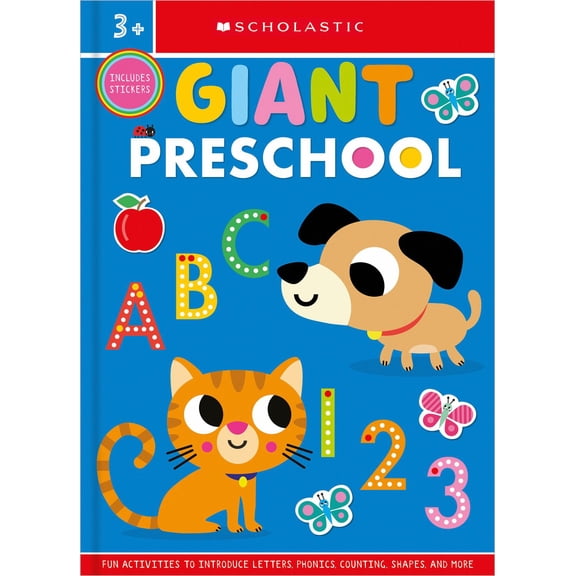
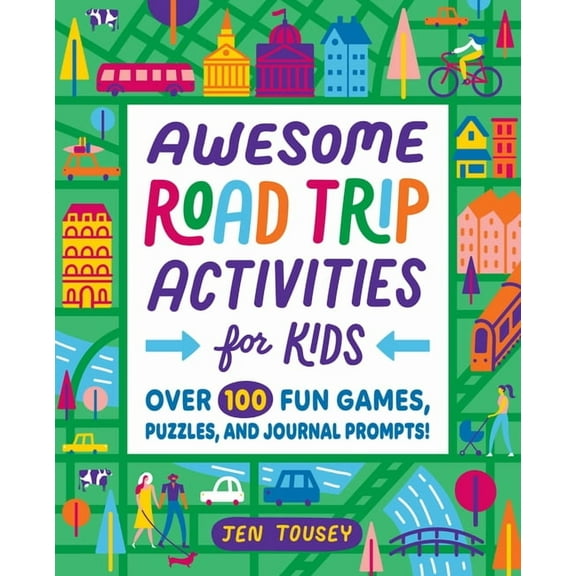


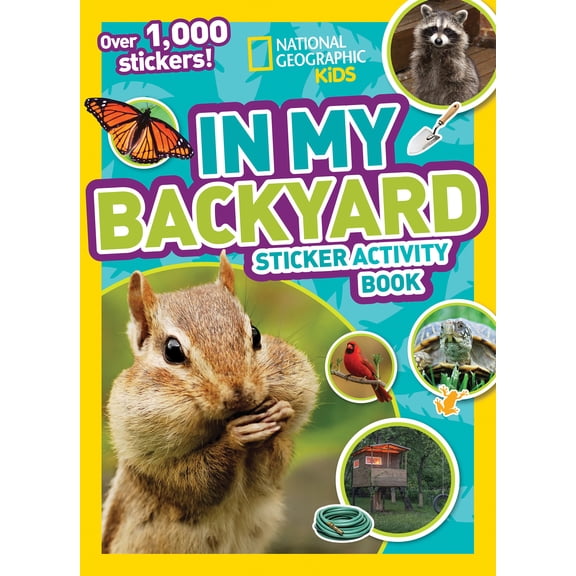

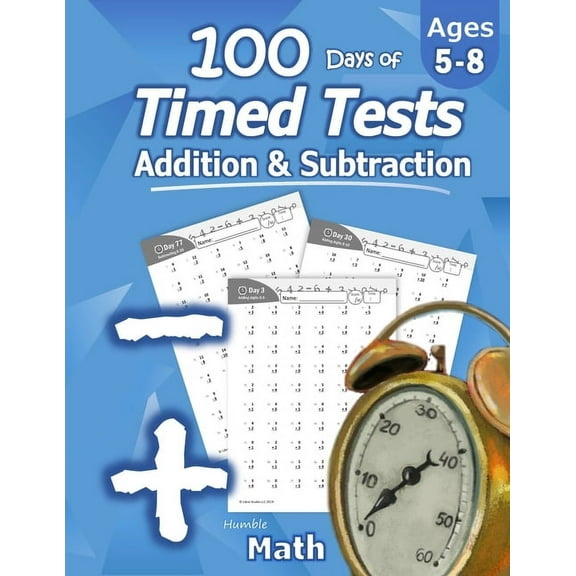

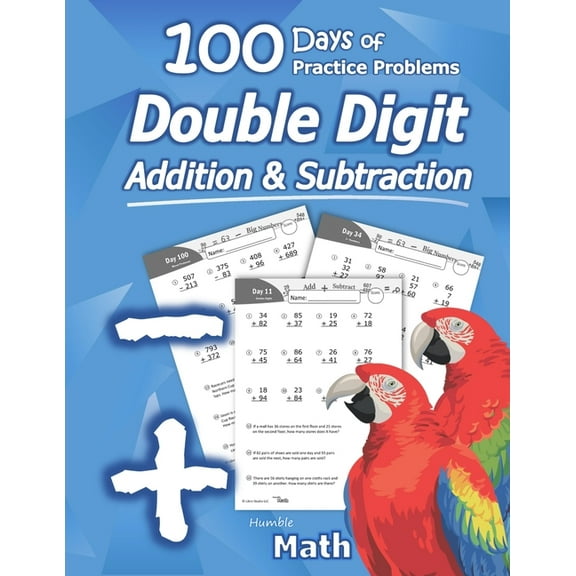

About Kid’s Activity Books - Walmart.com
Kids activity books help you turn quiet time into hands-on fun with age-right prompts, travel-ready formats, and screen-free play your child can revisit often. You can compare age group, activity type, format, and portability to choose books that match your child’s skills and your daily routine.
How to choose kids activity books by age
You’ll want age guidance that matches how your child holds crayons, follows directions, and stays focused. You can start with toddler activity books when you need simple tracing, large shapes, and sturdy pages.
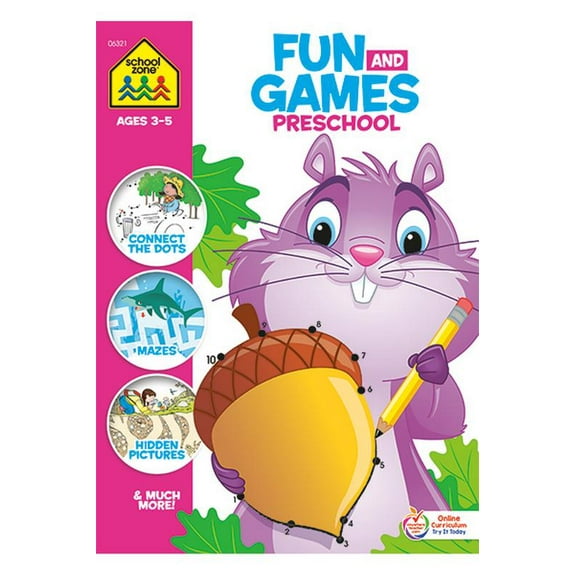
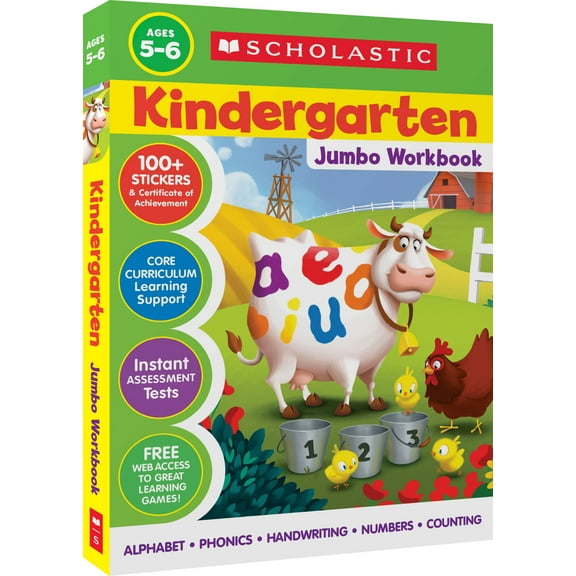
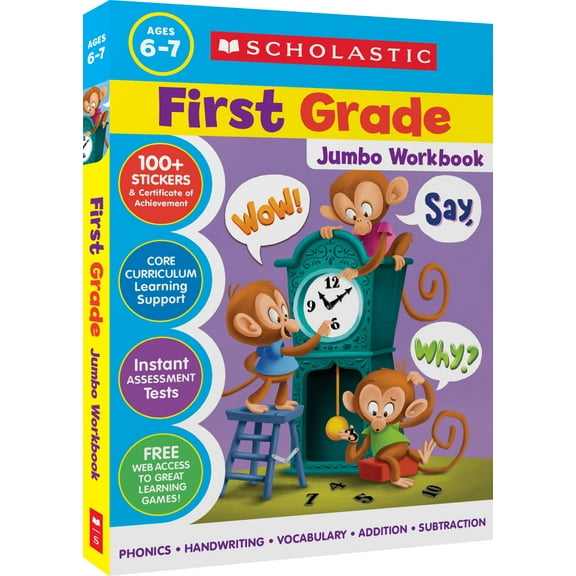
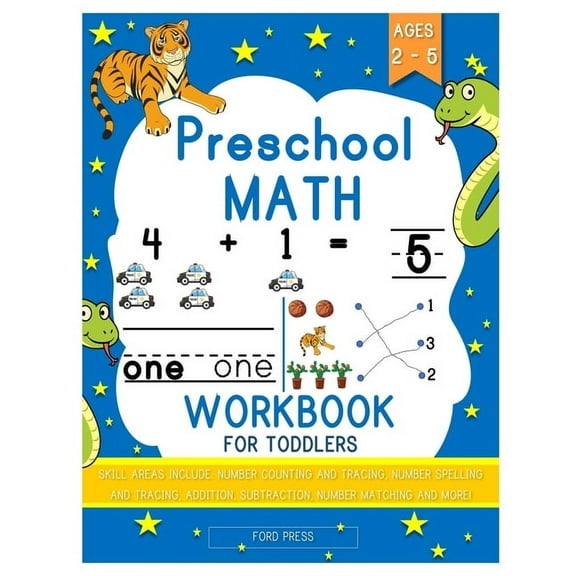
As your child grows, you may look for preschool books with matching games, first mazes, and letter practice. You can also choose early school age options when your child enjoys puzzles, word play, and more detailed coloring pages.
For older kids, you may prefer longer activities that keep attention during quiet afternoons or road trips. You’ll often find more involved logic pages, pattern challenges, and creative prompts in this stage.
Choosing activity types in childrens activity books
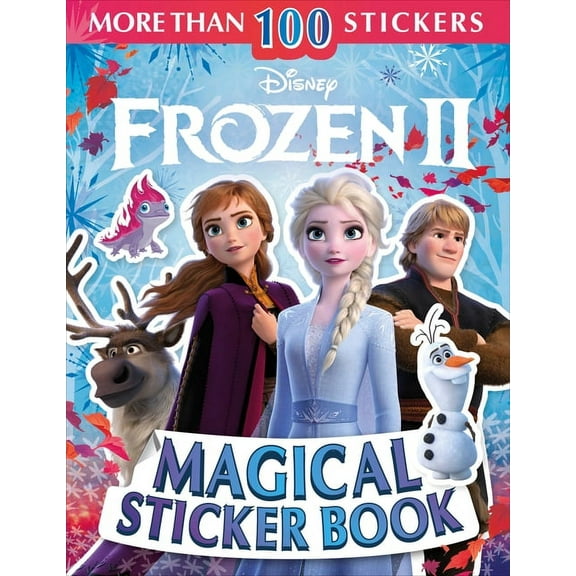
You can narrow childrens activity books by the kind of play your child enjoys most. Sticker activity books let your child peel, place, and sort pieces while building hand control and picture recognition.
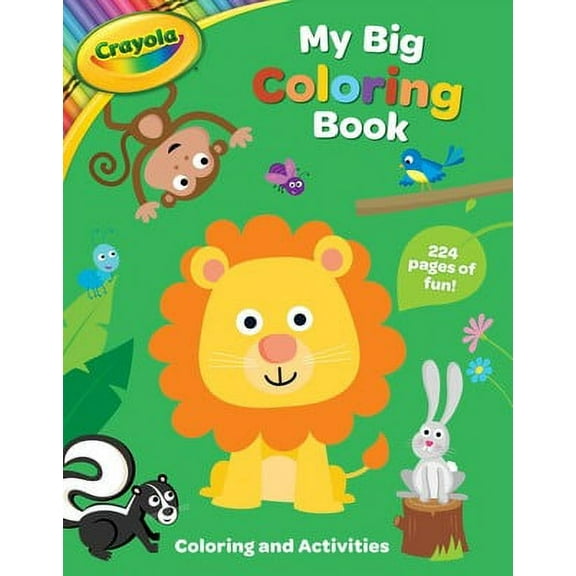
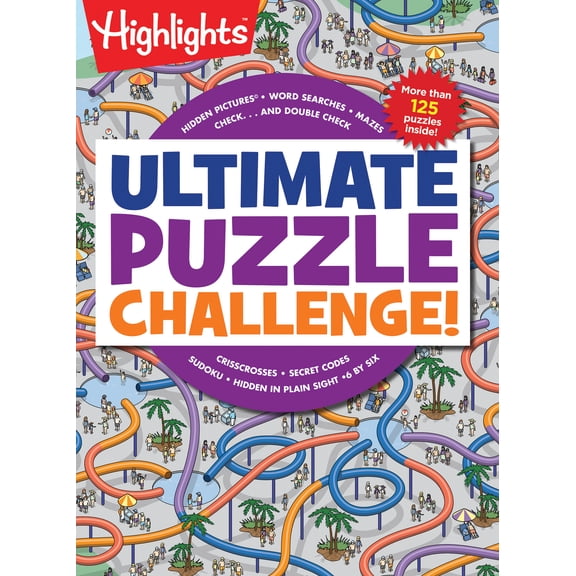
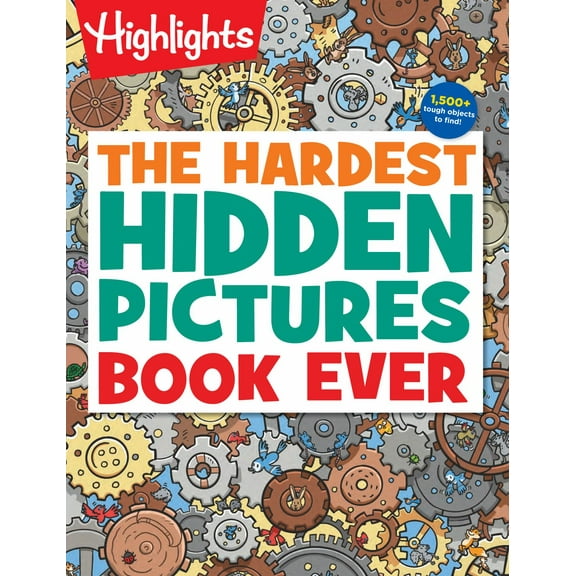
Coloring activity books work well when your child likes open-ended play with crayons, colored pencils, or washable markers. Mazes and puzzles give your child step-by-step challenges that support focus, pattern spotting, and problem solving.
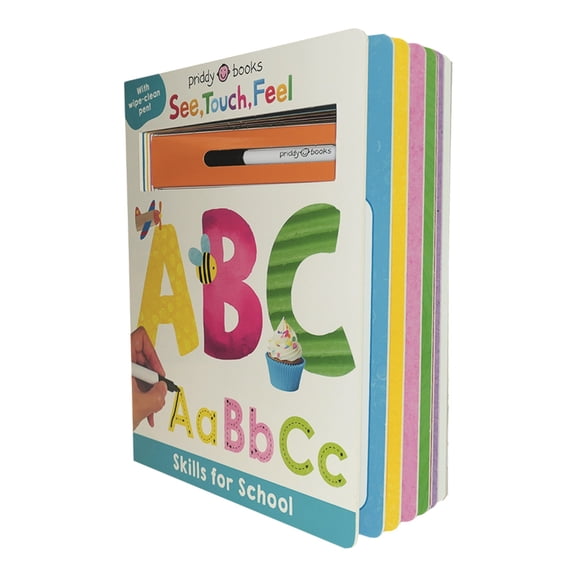
Dry-erase and wipe clean activity books can make repeat play easier because your child can erase and try again. You may choose these formats when you want less paper waste from single-use pages.
- You can pick sticker books for hands-on sorting and scene building.
- You can choose coloring pages for creative quiet time at home or on the go.
- You can select mazes and puzzles for focused, self-directed play.
- You can look for wipe-clean pages when your child likes repeating favorite activities.
What to look for in format and tools
You should check whether the book’s format fits how your child uses it. Paperback books feel light in a tote, while spiral bound books can stay open more easily on a table or tray.
Board book styles can suit younger children because your child can turn thicker pages with less frustration. Wipe-clean formats can also help when your child wants to practice letters, numbers, or tracing many times.
You may also want to compare what tools each book needs before you choose. Some books work with crayons or pencils you already keep at home, while others pair well with dry-erase markers.
If you’re planning car rides or waiting rooms, you can look for books that keep supplies simple. You’ll usually appreciate fewer loose pieces when your child is working in a smaller space.
Picking travel activity books and quiet-time options
You can compare portability by thinking about where your child will use the book most. Travel activity books often come in smaller sizes that fit backpacks, seat pockets, and stroller organizers.
Standard sizes can work well when you want a balance between easy carrying and enough page space. Oversized pads may fit better at kitchen tables, playrooms, or other places where your child has room to spread out.
For flights, road trips, and restaurant waits, you may prefer compact books with self-contained pages and familiar tasks. You’ll often want repeated play value, especially when your child needs calm entertainment without a screen.
During quiet time at home, you can choose larger books with coloring scenes, matching games, or multi-step puzzles. Your child may stay engaged longer when the page size gives more room for drawing and tracing.
Matching books to learning goals and everyday routines
You can use kids activity books to support everyday learning in a playful format. Your child may practice pencil control, early counting, letter recognition, and step-by-step thinking through repeat activities.
When you want independent play, you can look for simple instructions and familiar visuals your child can follow alone. If you’re planning family time, you may prefer books with prompts you can complete together.
Summer activity books for kids can help you keep routines steady between school breaks, camp days, and weekend outings. You can rotate sticker pages, coloring sheets, and wipe clean activity books to keep play feeling fresh.
If you’re building a fuller activity setup, you can also pair these books with coloring books, children’s storybooks, or learning toys. Your child gets more variety, and you get flexible options for rainy days, travel, and downtime.
You’ll make a smarter choice when you match age group, activity type, format, and portability to your child’s routine. The right pick gives your child repeatable, screen-free play that fits everyday moments.