

Pre-Owned Books in Books



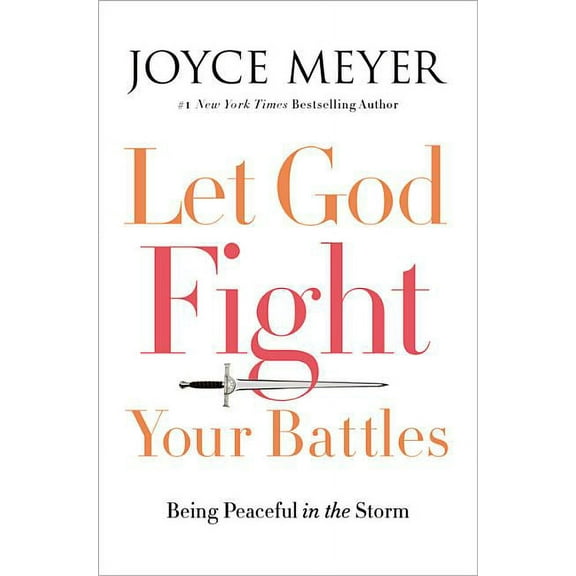

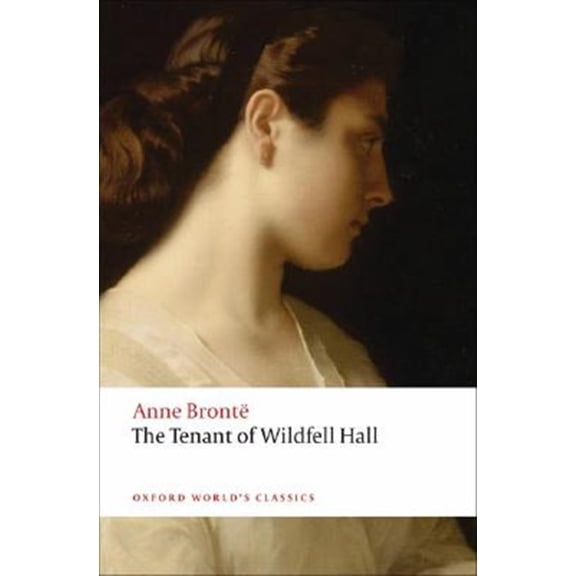
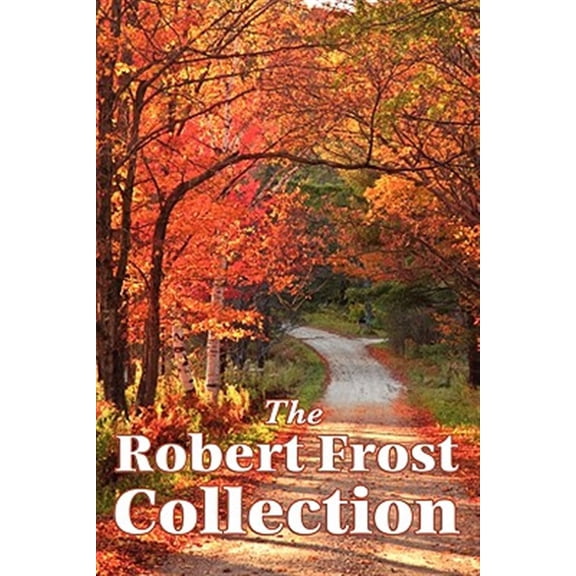

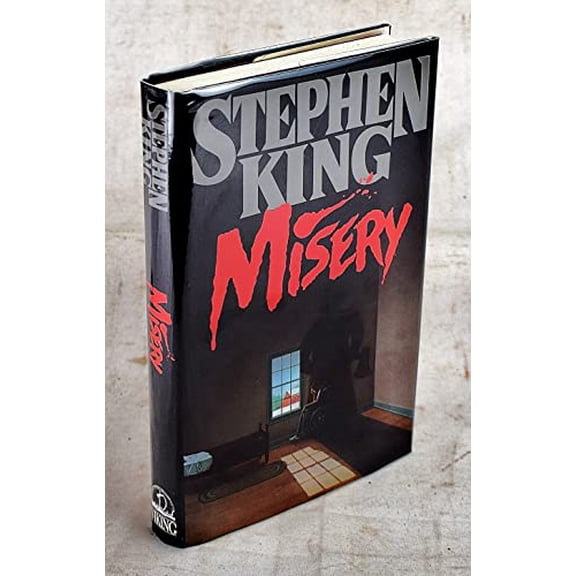

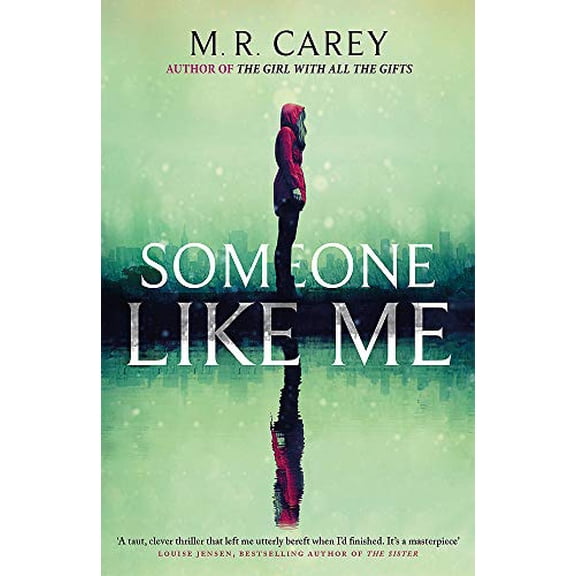
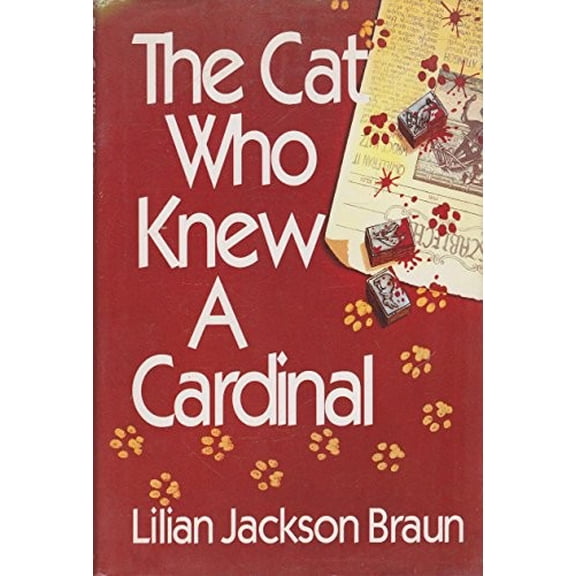
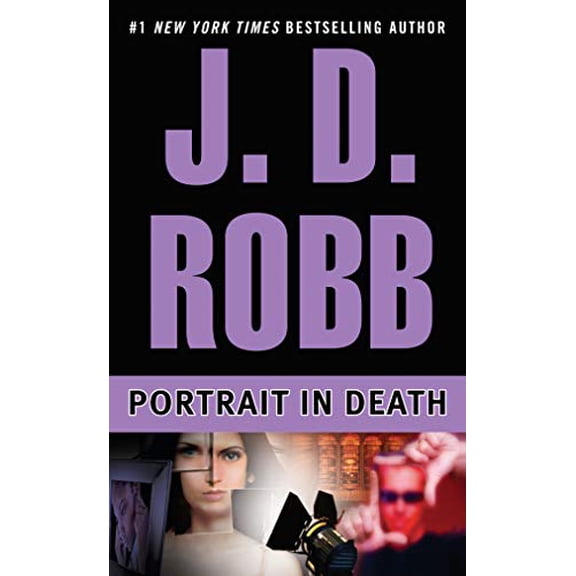







About Pre-Owned Books in Books - Walmart.com
Preowned books help you grow your library with familiar titles, classroom essentials, and family reads in formats that fit your routine. You can compare condition, format, genre, and age group in one place, which makes choosing used books feel clearer.
How to choose preowned books for your shelf
When you shop preowned books, you’re often balancing reading purpose, book condition, and preferred format. You may want a reading copy for nightly use, or you may want a cleaner copy for gifting.
Start with the condition label, because it tells you what kind of wear you can expect. You can then compare paperback, hardcover, board book, and box set options based on how you plan to use them.
Genre also shapes your choice, especially if you’re buying fiction, non-fiction, mystery, or used textbooks for school. You can narrow faster when you match the book to the reader’s age group and reading habits.
Why used books can work for different reading goals
You get flexibility when you choose secondhand books for everyday reading, classroom reference, or family story time. You can build a home library without limiting yourself to one format or one genre.
- You can pick reading copies for travel, study, or casual rereading.
- You can compare preowned paperback books with hardcovers for weight, durability, and shelf display.
- You can find used children's books, adult fiction, and used textbooks in one shopping trip.
- You can choose box sets when you want a series grouped together for easier collecting.
Paperback copies usually feel lighter in your bag, which helps when you commute or study away from home. Hardcover copies often feel sturdier on shelves, which may suit reference use or repeated reading.
Board books can fit toddler reading routines because you’re often looking for smaller pages and sturdy construction. Box sets can simplify gifting or series catching-up when you want matching volumes together.
Understanding used books condition before you choose
Condition is the key decision point when you compare used books condition labels across many listings. You should look at like new, very good, good, and acceptable as practical reading-quality tiers.
Like new usually means you’re choosing a copy with very light visible wear and a cleaner overall appearance. You may prefer this tier when your shelf display matters or when you want a neater giftable copy.
Very good often means you’ll see light signs of handling while the book still looks well kept. You might choose this level when you want a solid balance between appearance and everyday use.
Good condition usually means you’re getting a readable copy with more visible wear on the cover, pages, or edges. You may notice small markings, name labels, or page wear that still fits regular reading.
Acceptable condition focuses on readable content first, so you should expect heavier cosmetic wear or more noticeable markings. You may choose this tier for study copies, reference use, or books you plan to annotate.
You should also check whether markings or highlighting matter for your purpose, especially in used textbooks. If you need cleaner pages for notes, you may want a higher condition tier with fewer visible marks.
Comparing format, edition, and ISBN details
Format changes how your book feels in daily use, so you should compare paperback, hardcover, board book, and box set options carefully. You can often match the format to portability, shelf style, or reader age.
For textbooks, edition and ISBN details matter because you may need a specific publication year for coursework. You should compare those details closely when your class syllabus lists an exact version.
A matching ISBN helps you confirm you’re choosing the right textbook edition, cover version, or bundled title. You can avoid mix-ups by checking the listing details before you decide.
If you’re choosing a reading copy instead of a collectible copy, you can focus on readability over cosmetic perfection. You may care more about intact pages and clear text than about edge wear or small cover creases.
When you want preowned hardcover books for display, you may pay closer attention to jackets, corners, and spine appearance. When you want preowned paperback books for everyday reading, you may focus on flexibility and lighter weight.
Matching genre and age group to your reading plans
You can use genre filters to narrow choices quickly when your reading plan is already set. Fiction, mystery, non-fiction, and textbooks each support different routines, from bedtime reading to semester planning.
If you’re shopping for used children's books, age group matters just as much as genre. You can compare toddler board books, kids picture books, and young adult titles by reading level and handling needs.
Adult readers may want novels, memoirs, or reference books that fit commuting, book clubs, or home collections. Young adult readers may look for popular series, classroom reading, or fast-paced fiction in lighter formats.
Kids and toddler readers often need durable formats and familiar themes that support repeated reading. You may prefer board books for early page turning, while older kids may move into paperback chapter books.
Used textbooks for college can fit term-by-term needs when you’re replacing a required title or building a study set. You should prioritize edition match, ISBN accuracy, and page quality when coursework depends on exact content.
What to look for in secondhand books before you decide
You can make a stronger choice when you compare condition, format, edition details, and intended use together. That approach helps you pick secondhand books that match your shelf, schedule, and reading goals.
With preowned books, you’re not just choosing a title; you’re choosing the copy that fits how you’ll actually read it. You can feel more confident when the condition label and book details match your purpose clearly.