

Homeschooling Books for All Grades




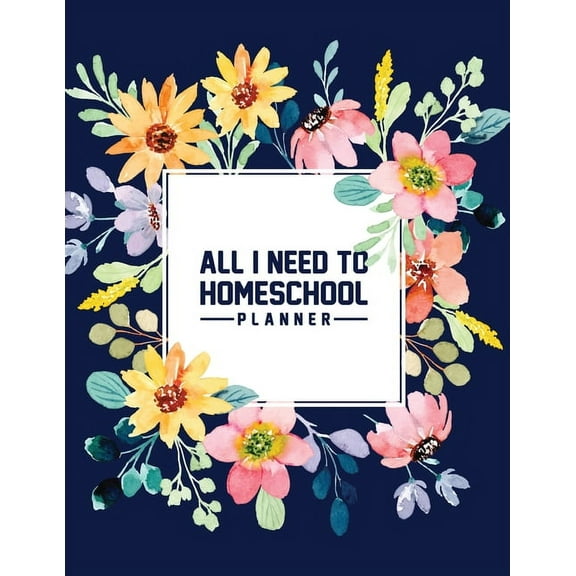

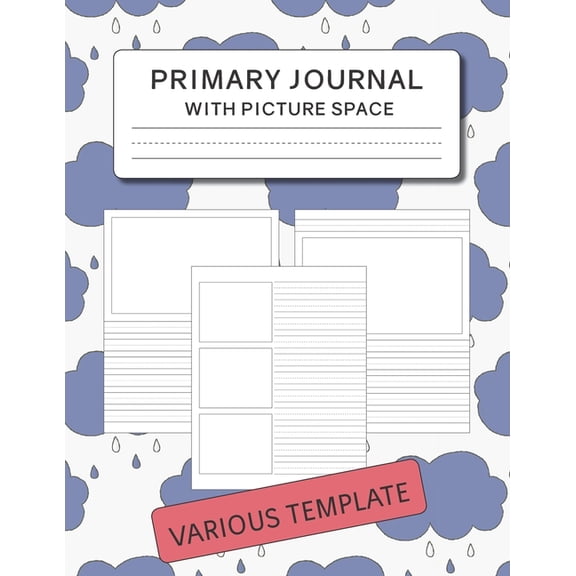
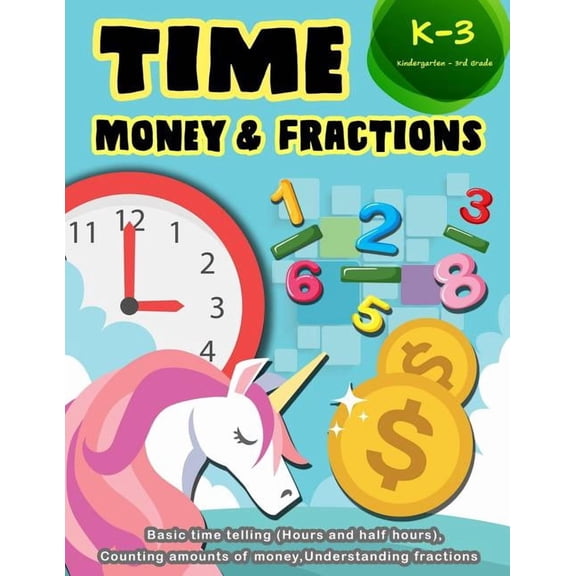
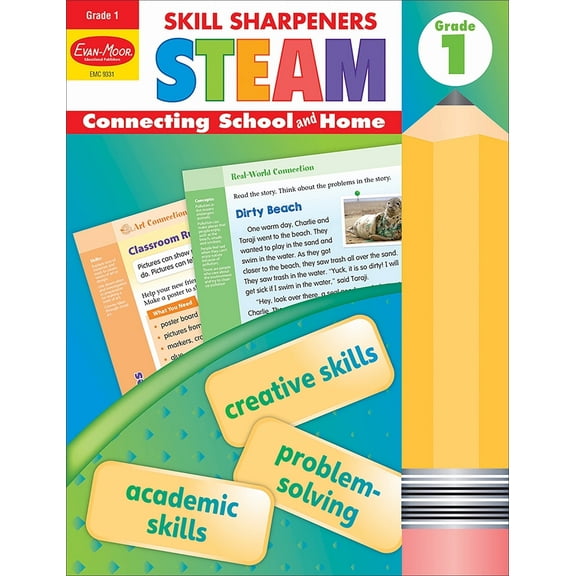






About Homeschooling Books for All Grades - Walmart.com
Homeschooling books help you build a clear learning plan at home. You can compare grade levels, subjects, and formats to match your child’s daily routine.
You may want books that support independent practice, guided lessons, or parent-led teaching. You can also look for scope and sequence details that keep your lessons organized.
How to choose homeschooling books
You can find an excellent fit when you start with your child’s grade level and current skills. You can then compare subject coverage, format, and curriculum style without guessing.
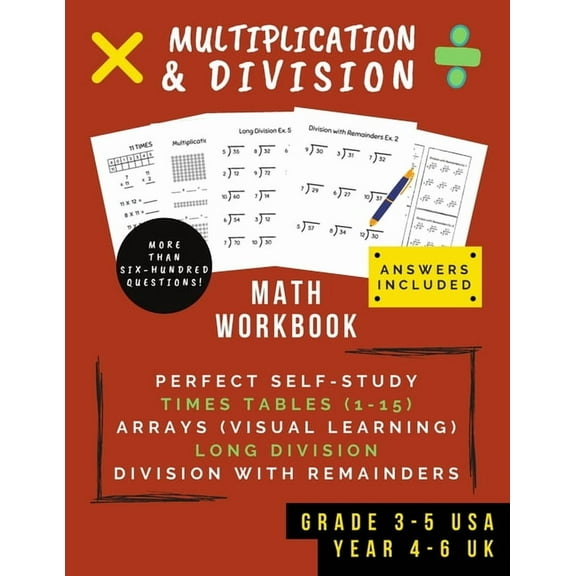
Many families need more than one type of resource for the same learner. You might pair textbooks for instruction with homework books or workbooks for written practice.
- You can organize lessons by preschool through high school goals.
- You can compare math, science, language arts, and social studies resources.
- You can choose workbook, textbook, teacher guide, or activity book formats.
- You can check whether the publisher includes answer keys for efficient grading.
- You can review curriculum standards and scope and sequence before you commit.
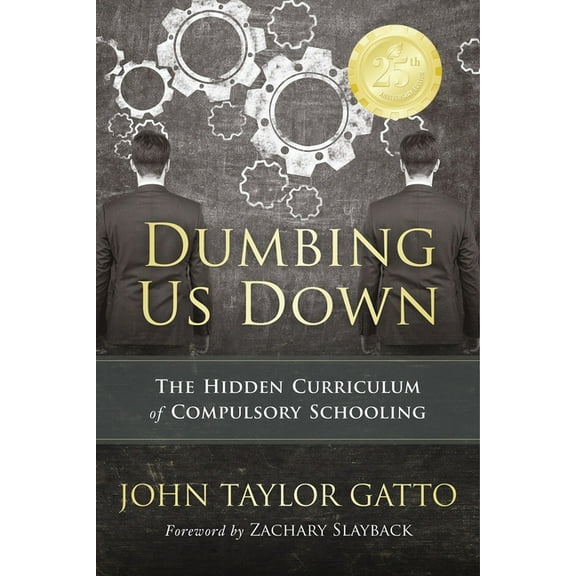
You may notice that category-specific choices matter in homeschooling unlike in general reading. You need books that support lesson pacing, skill progression, and repeatable home instruction.
Choosing grade level and subject coverage
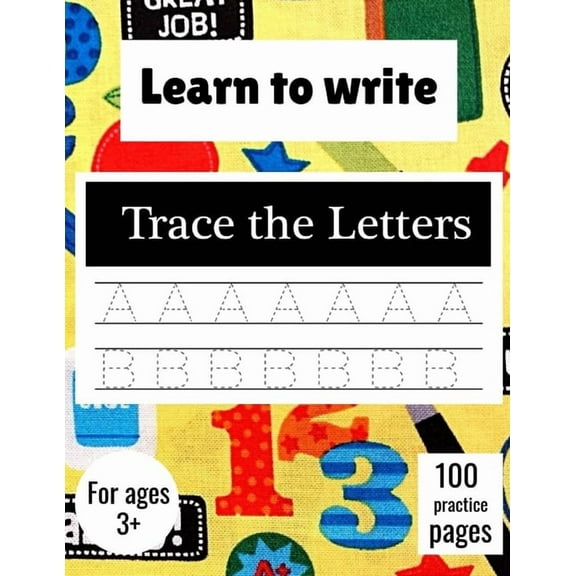
You should begin with grade level because skill fit shapes daily confidence. Preschool and kindergarten books often focus on early letters, counting, and simple hands-on activities.
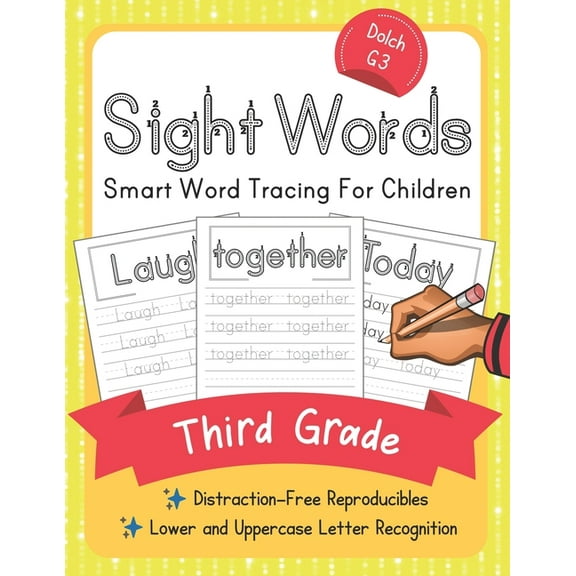
Elementary options usually expand into reading fluency, foundational math, and basic science topics. Middle school and high school materials often add longer lessons, research tasks, and subject depth.
You can also compare subject coverage based on how you teach across the week. Math books may emphasize practice sets, while language arts books may include reading, grammar, and writing.
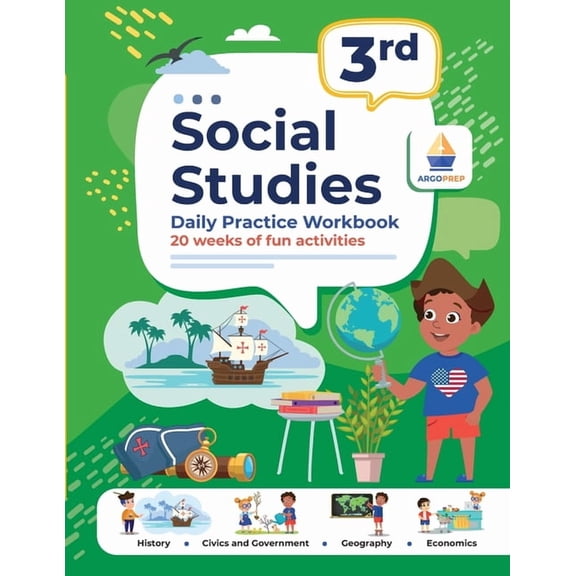
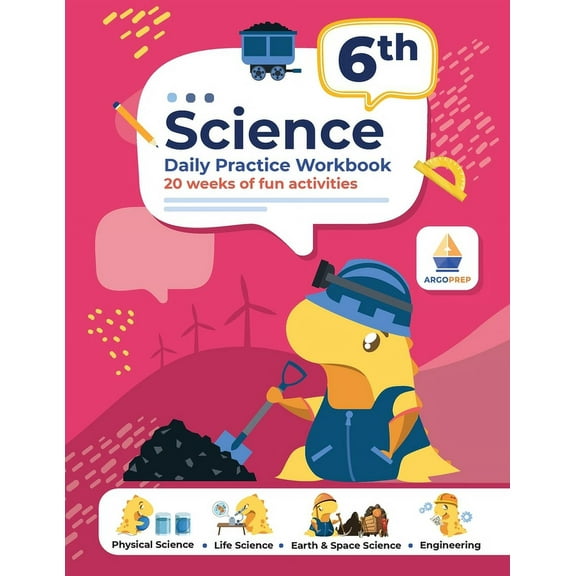
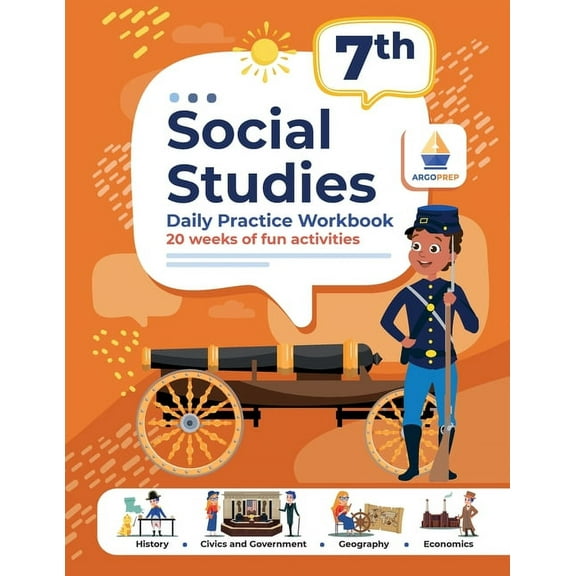
Science resources can help you structure observation, vocabulary, and step-by-step concepts at home. Social studies books often support timelines, geography, civics, and age-appropriate historical reading.
You can check whether a title follows curriculum standards and a clear scope and sequence. That helps you see what your child learns first and what comes next.
Comparing home schooling books by format
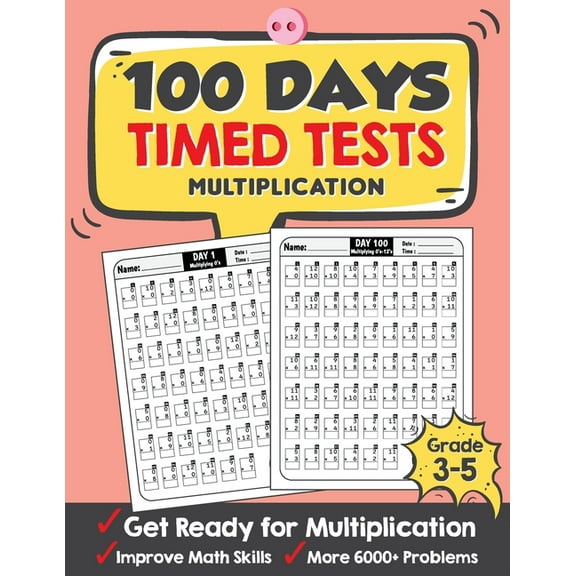
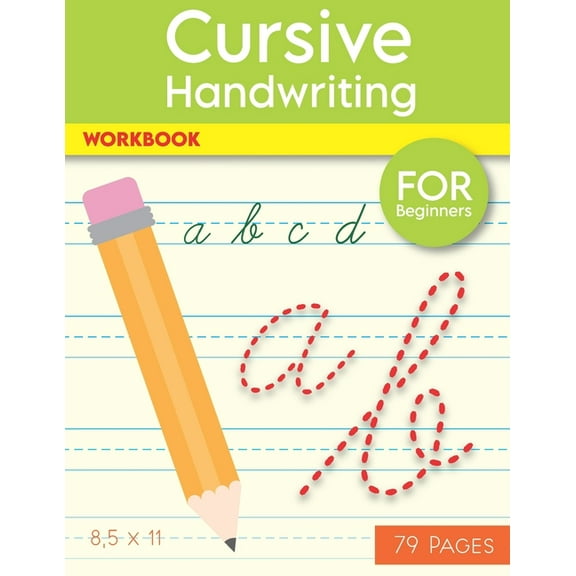
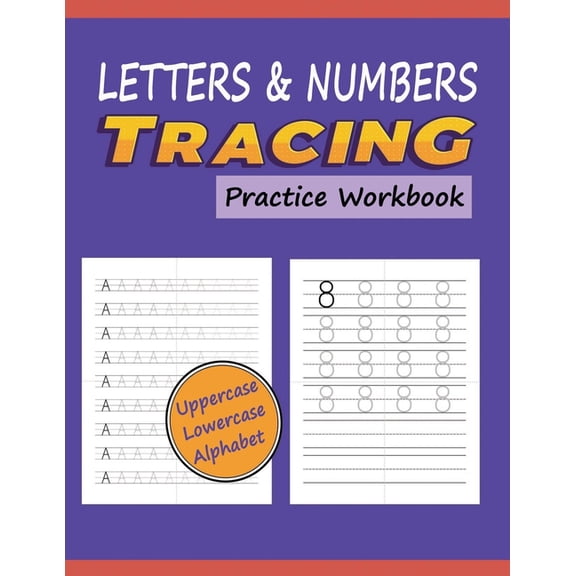
You can quickly narrow home schooling books when you compare formats side by side. A workbook lets your child write directly on the page during practice.
A textbook usually presents lessons and examples that work with a separate notebook. That format can suit families who want reusable instruction across several learners.
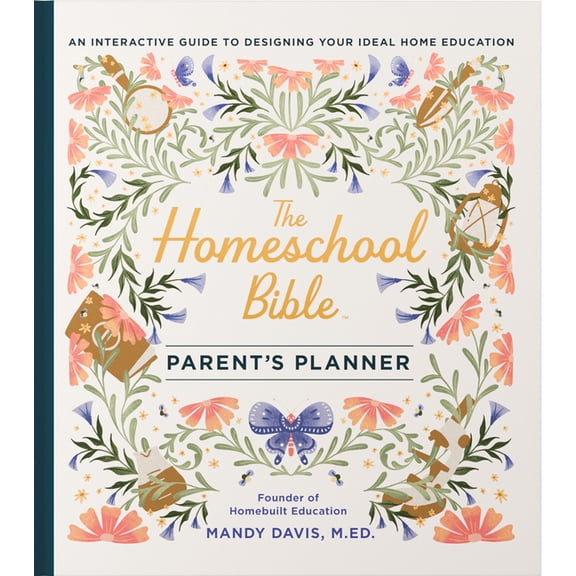
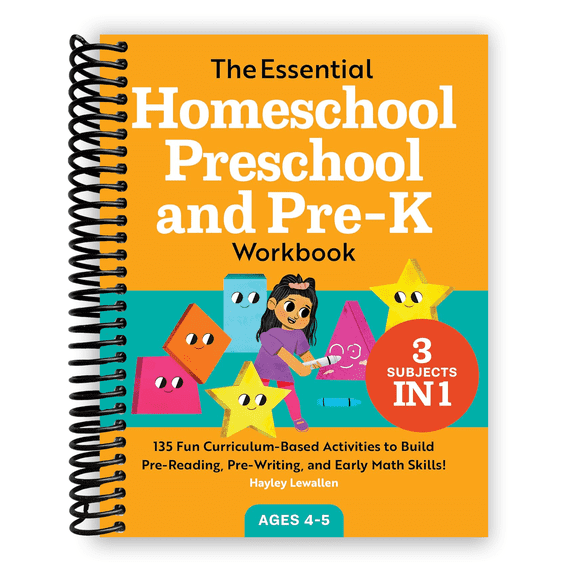
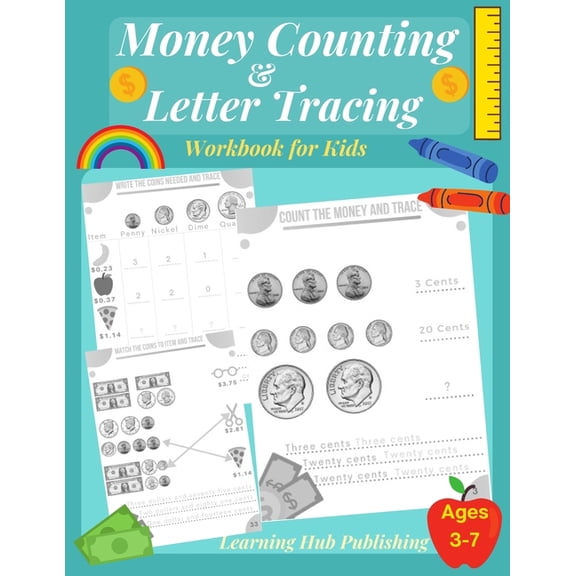
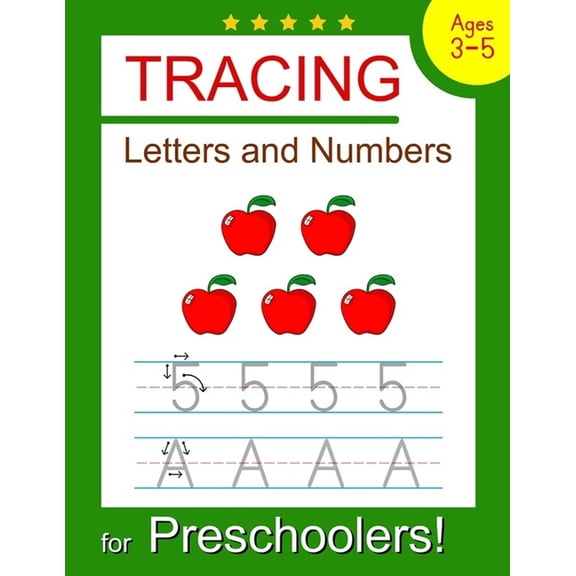
You may prefer teacher guides when you want lesson outlines, pacing help, and parent direction. Activity books can support hands-on learning with tracing, puzzles, sorting, or cut-and-paste tasks.
You should also look for answer keys when you want straightforward check-ins after each lesson. That detail matters when you’re grading daily work across several subjects.
Homework books can fit well into review sessions between full lessons. You can use them for extra practice, warm-ups, or independent seatwork during the school day.
Matching curriculum style to your teaching approach
You can compare curriculum style once you know how structured you want your day to feel. Traditional materials often follow a direct sequence with clear lessons and review.
Montessori-inspired choices may include hands-on activities and child-led exploration within a planned framework. Charlotte Mason resources often lean toward rich reading, narration, and brief lessons.
Classical approaches usually emphasize language structure, history timelines, and organized skill building over time. You should choose the style that matches your teaching rhythm and recordkeeping needs.
You may also blend styles across subjects when one method fits math and another fits reading. That flexibility can help you tailor your homeschool setup without losing consistency.
Using homeschooling books in real learning routines
You can build a preschool routine with activity books, early math practice, and simple language exposure. You might add a teacher guide when you want a consistent daily plan.
For elementary learners, you can combine a textbook for instruction with a workbook for practice. That setup can make it simple for your child to review one skill at a time.
You may want middle school resources with clear subject separation and additional independent assignments. High school learners often need books with thorough explanations and a clear sequence across units.
If you teach multiple children, you can compare reusable textbooks with consumable workbooks by subject. You can also check answer-key options to simplify parent grading across the week.
You should look for books that make progression visible from one lesson to the next. That structure helps you keep home learning consistent, measurable, and simple to plan.
With the right homeschooling books, you can create a clear path through each grade and subject. You can feel fully prepared when your materials match your teaching style, lesson pace, and grading needs.