

Toxicology Books in Medical Books








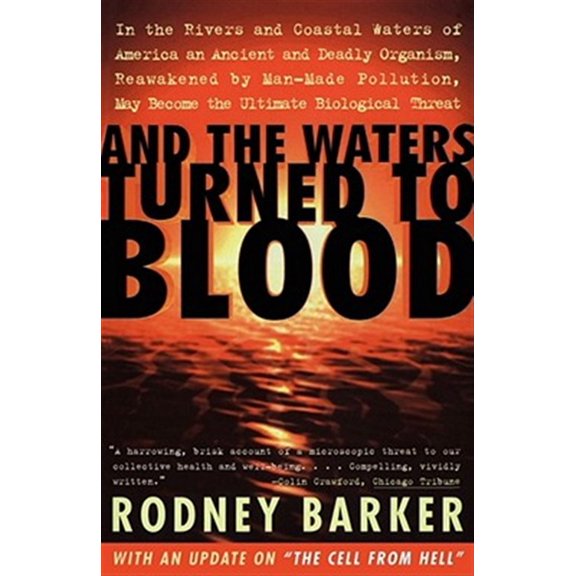
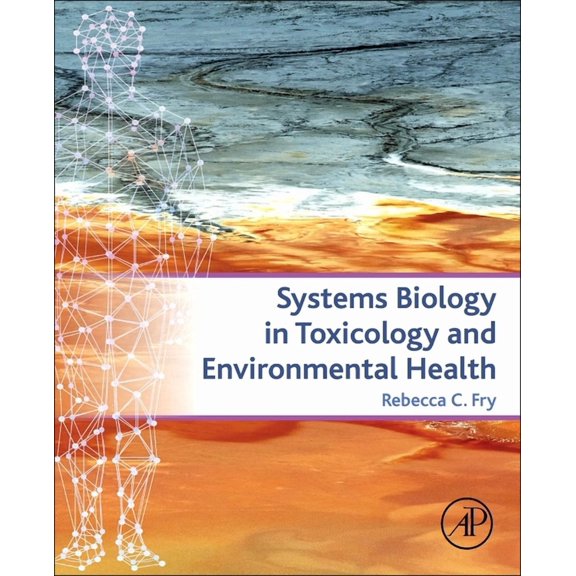

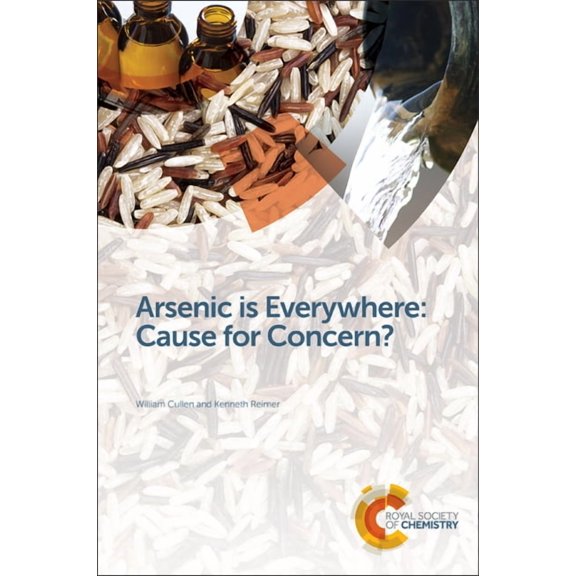






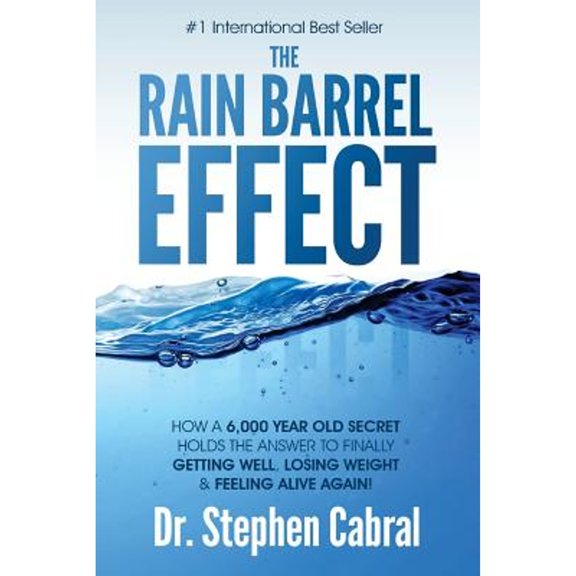
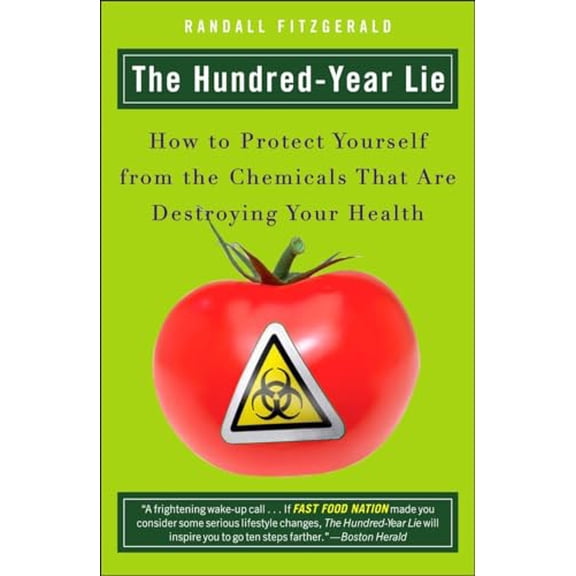


About Toxicology Books in Medical Books - Walmart.com
Your toxicology book search should start with content that matches your course, your specialty, and your preferred format. You'll find toxicology books span clinical, forensic, environmental, and veterinary study, so choosing by sub-discipline helps you narrow options quickly.
If you're building a class list or a reference shelf, you should compare edition details, academic level, and companion materials first. You'll make a more confident choice when your book fits your syllabus, your assignments, and your day-to-day study habits.
How to choose a toxicology book by sub-discipline
You should start with the subject area that matches your coursework or your professional focus. You'll usually see toxicology books grouped into clinical, forensic, environmental, and veterinary paths.
If you're studying medication effects, poison exposure, or case-based patient topics, you may prefer clinical toxicology texts. If you're reviewing evidence handling and laboratory interpretation, you may lean toward forensic toxicology titles.
Environmental toxicology books usually help you examine pollutants, exposure pathways, and ecosystem impact in a research context. Veterinary toxicology references support your animal-focused coursework, species differences, and ingestion case review.
- You can match your book to your program by choosing the right sub-discipline first.
- You'll cut down on irrelevant chapters when your text reflects your exact curriculum.
- You can build stronger notes when your examples mirror your labs, cases, or fieldwork.
- You'll compare books on toxicology more clearly when you separate clinical, forensic, environmental, and veterinary topics.
Choosing toxicology textbooks by academic level
You should compare the academic level before you focus on binding or page count. You'll often need different depth for undergraduate classes, graduate seminars, and professional reference use.
If you're an undergraduate student, you may want broad explanations, glossary support, and chapter summaries. If you're in graduate study, you may need denser research detail, advanced mechanisms, and stronger citation depth.
When you're selecting a professional reference, you should look for structured indexing and focused topic coverage. You'll likely want a toxicology book that supports quick consultation as well as deeper reading.
You can also compare how each title handles case studies, charts, and review questions. You'll get more from your reading when the presentation style matches your workload and your study pace.
What to look for in format, editions, and study materials
You should choose a format that fits how you read and annotate. You'll often see hardcover, paperback, and e-Book options across toxicology books and textbooks.
If you highlight heavily or keep a long-term shelf, you may prefer hardcover durability. If you carry your text between class, lab, and library sessions, you may favor a lighter paperback.
When you read across devices or need quick search functions, you may prefer an e-Book. You'll want to check whether your selected format aligns with your study routine and your access needs.
You should also compare the current edition and previous editions before you choose. You'll want the edition number, publication year, and publisher details to match your course requirements.
If your syllabus lists chapter numbers, you should check whether the current edition changed sequencing or terminology. You'll avoid confusion when your assigned readings match your instructor's references.
You may also look for companion materials, digital access codes, practice questions, or online study aids. You'll benefit from those extras when your course includes quizzes, self-check work, or guided review.
Using books on toxicology for coursework and reference needs
You can narrow books on toxicology by thinking about where and how you'll use them. You'll shop differently for a semester course, a board-style review shelf, or a professional office reference.
If you're preparing for an undergraduate survey course, you may focus on foundational definitions and organized chapter flow. If you're entering specialized study, you may need a stronger emphasis on mechanisms and literature review.
For forensic coursework, you should compare how a title covers specimen analysis, interpretation frameworks, and investigative context. You'll want examples that connect laboratory findings with legal and procedural reading.
For clinical study, you may look for toxic exposure topics, agent categories, and case-based explanations. You'll usually want a book that supports both classroom review and practical interpretation.
If your work centers on environmental topics, you should check for coverage of contaminants, monitoring concepts, and exposure models. You'll likely benefit from tables, figures, and source citations that support your research assignments.
When your focus is animal health coursework, you should compare species-specific coverage and ingestion scenarios. You'll want veterinary toxicology content that reflects the animals or case types in your program.
You should also think about whether you're building a long-term reference library or meeting one class requirement. You'll make a smarter selection when your format, edition, and subject scope all line up.
Why toxicology books require careful comparison
You shouldn't treat every toxicology book as interchangeable because your course demands can vary sharply by sub-discipline and edition. You'll get more relevant study support when you compare subject focus, academic level, format, and companion materials together.
With the right toxicology books, you can align your reading with your syllabus, your specialty, and your everyday reference needs. You'll move through assignments with clearer context and more targeted information.