

Pain Medicine Books in Medical Books





















About Pain Medicine Books in Medical Books - Walmart.com
Pain medicine books help you compare textbooks, manuals, and study guides for clinical learning and daily reference. You can use this category to match terminology level, specialty focus, and format to your work or coursework.
If you’re building a professional library, you’ll want resources that fit your audience and setting. You can compare pain management textbooks for structured study, or choose quicker references for rounds, review, and case preparation.
How to choose pain medicine books
When you choose pain medicine books, you should start with who will use them. You may need detailed medical terminology for residency, or clearer explanations for patient education and general reading.
Medical professionals and clinicians often need focused references with clinical guidelines, dosing context, and procedural discussions. Medical students may prefer a pain medicine study guide that helps you review concepts, terminology, and exam topics efficiently.
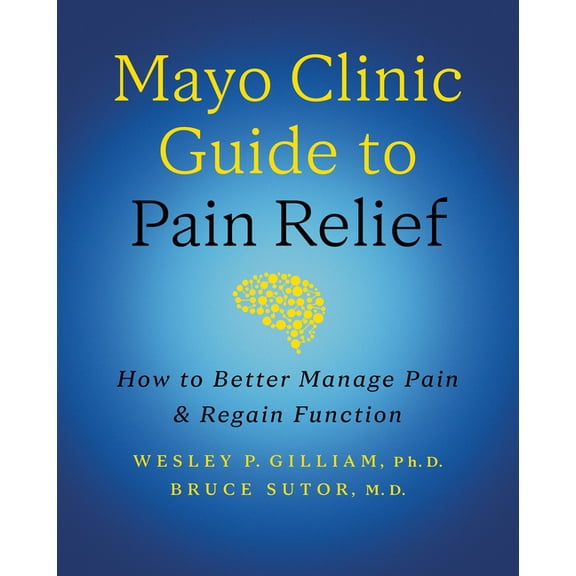
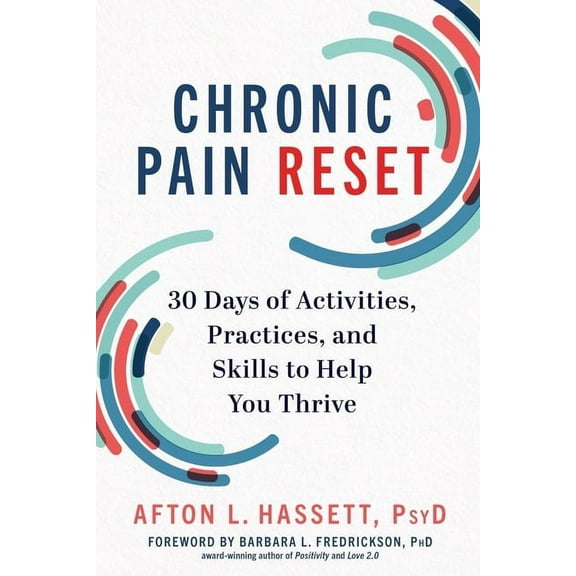
Patients and caregivers may look for chronic pain books with approachable language and practical organization. You can separate these from clinician-focused titles by checking chapter depth, glossary support, and the level of technical detail.
- You can match target audience to your learning level, from student review to clinical practice support.
- You can compare specialty focus, including anesthesiology, pharmacology, chronic pain, and physical therapy topics.
- You can choose the right publication type, such as textbook, clinical manual, study guide, or board review.
- You can select a format that fits your routine, including paperback, hardcover, digital, and e-book options.
Choosing pain management textbooks by specialty
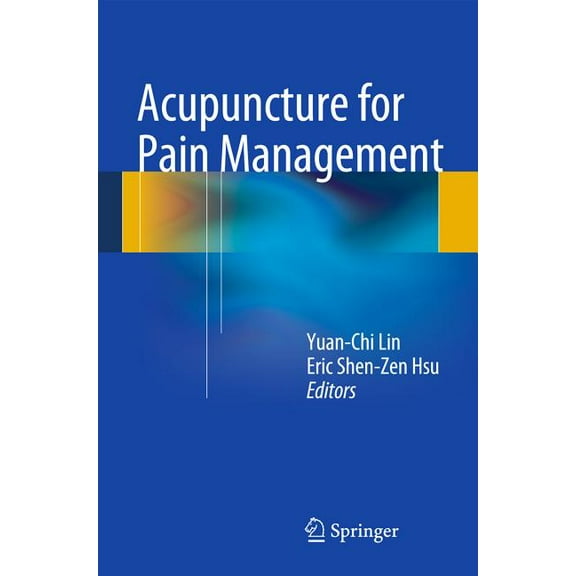
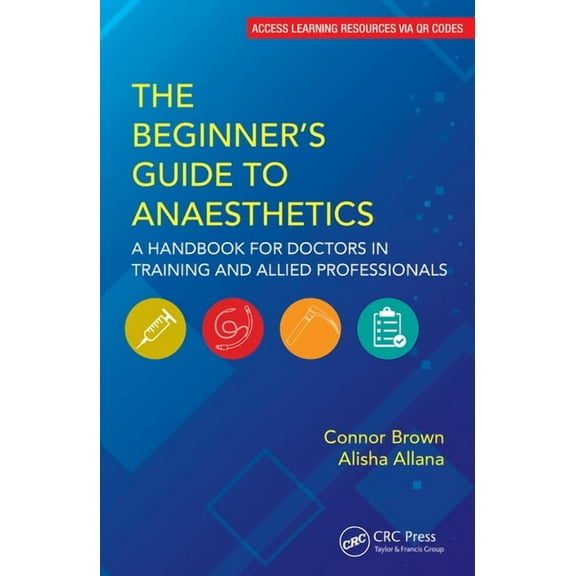
You should compare specialty focus before you choose medical books on pain management. Anesthesiology titles often emphasize perioperative concepts, interventional topics, and medication frameworks used in procedural settings.
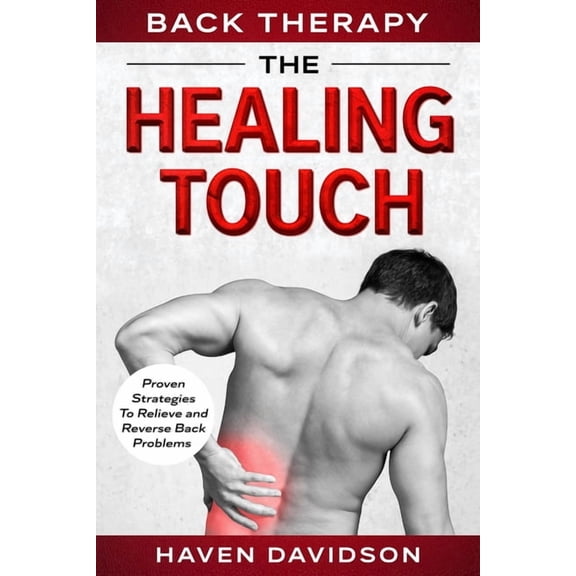
If you work across long-term care, you may prefer chronic pain management books with broader case discussions. You can look for coverage of neuropathic pain, musculoskeletal pain, and multidisciplinary care planning.
Pharmacology-focused titles can help you review analgesic classes, mechanisms, and prescribing context in one place. Physical therapy resources may suit you when you want rehabilitation strategies, movement-based care, and function-centered treatment planning.
You should also check whether a title balances clinical relevance with general background reading. If you need day-to-day reference support, you may prefer a clinical pain management manual with quick tables and concise chapter layout.
Comparing textbook, manual, study guide, and board review options
You can narrow your options faster when you understand each publication type. A textbook usually gives you broader foundations, while a clinical manual often gives you faster access during practice.
If you’re preparing for exams, you may want a board review or a pain medicine study guide. These formats often help you focus on definitions, recall points, and high-yield summaries you can revisit often.
When you need deeper explanation, pain management textbooks can support longer reading sessions and structured learning. If you need fast consultation, shorter manuals may fit your workflow during clinic prep, teaching, or interdisciplinary meetings.
You should also compare edition details before you decide. Newer editions can help you align your reading with current standards, updated terminology, and revised chapter organization.
Picking the right format and edition for your routine
Format affects how and where you’ll use your materials. Paperback editions may feel easier to carry, while hardcover copies may suit your office shelf, shared workspace, or long-term reference needs.
If you switch between locations, you may prefer digital or e-book access for quick searching. Digital formats can help you move between study sessions, note review, and chapter lookup without carrying extra weight.
You should consider how often you annotate, highlight, or revisit diagrams before choosing format. A printed copy may suit your hands-on study style, while digital access may suit your travel or rotation schedule.
Edition currency matters when you rely on terminology, guideline summaries, and current educational framing. You can check publication details to find pain medicine books that reflect recent standards and classroom expectations.
Using pain medicine books for real study and practice scenarios
If you’re a medical student, you may want a structured textbook plus a compact review guide. That combination can help you build foundations first, then reinforce key terms before exams or rotations.
If you’re a clinician, you may prefer medical books on pain management that support quick consultation. You can keep a clinical pain management manual nearby for topic refreshers before case review or team discussion.
For anesthesiology training, you may look for titles that connect pain pathways, procedures, and medication planning. For rehabilitation settings, you may prefer books that connect chronic pain concepts with movement, recovery goals, and functional assessment.
If you support patient education, you may need chronic pain books with clearer language and practical organization. You can also build a mixed library that includes board review, manuals, and pain management textbooks for different moments.
With the right mix of audience level, specialty focus, publication type, and format, you can choose resources that fit how you study and practice. You’ll gain a library that supports clearer review, faster reference, and more informed reading.