

Medical History & Records Books in Medical Books



















About Medical History & Records Books in Medical Books - Walmart.com
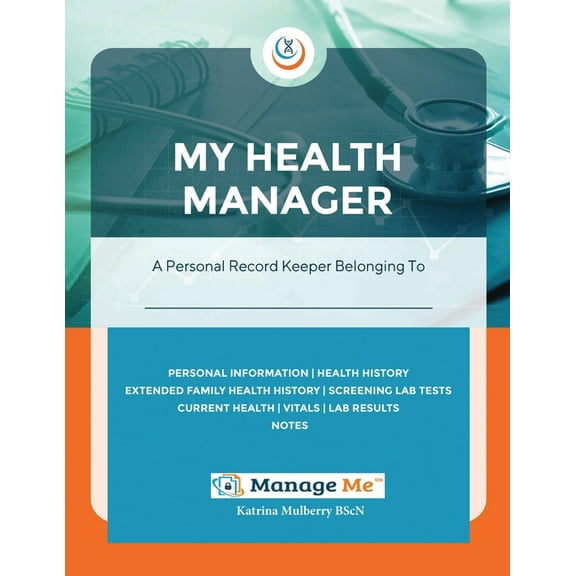
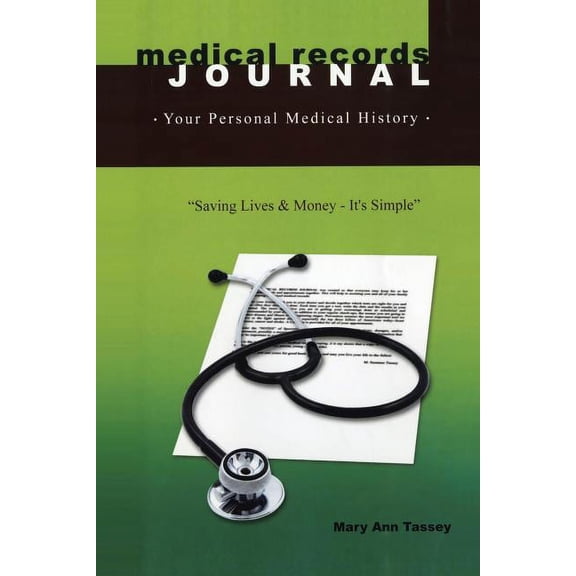
Your medical records book helps you organize appointments, medications, and personal details in one place. You can compare formats, layouts, and tracking pages that fit daily use, family planning, or caregiver support.
How to choose a medical records book
When you choose a medical records book, you should start with how much information you want to keep together. You may prefer a slim journal for appointments or a larger binder for detailed records at home.
Spiral-bound options can help you write across both pages because they lay flatter on a desk. Paperback styles can feel lighter in a bag, while hardcover binders can help you sort loose papers and sections.
Pocket journals work well when you want key details close at hand during travel or office visits. Standard letter sizes give you more writing room when your notes include medication lists, test dates, and provider contacts.
What to look for in a medical information book
Your medical information book should match the kind of tracking you actually do each week. You can compare general health history pages with focused logs for blood pressure, symptoms, or medication schedules.
Clear lines and readable spacing matter when you need fast updates during busy routines. Larger print and uncluttered sections can help you scan names, dates, and dosage notes with less effort.
You may also want dividers, tabbed sections, or dedicated pages for allergies, insurance details, and emergency contacts. These details make it easier for you to keep related information grouped instead of scattered.
- You can keep provider names, appointment dates, and medication lists in one organized place.
- You can choose compact formats for travel or larger layouts for long-term household records.
- You can compare specialized pages for blood pressure tables, symptom journals, and medication charts.
- You can select family-focused books when your household needs multi-person tracking.
Choosing format and binding for daily use
You should consider where you plan to write before you choose a format. A spiral-bound medical record book can suit desk use, while a pocket journal can fit a purse, tote, or glove box.
If you update records at home, a hardcover binder may give you more structure for sections and inserts. If you carry notes often, a paperback style may feel easier to pack and hold.
You can also compare A5 compact sizes with full-page books based on your handwriting and storage space. Smaller pages help with portability, while larger pages give you wider tables and longer note areas.
Comparing tracking focus and page layouts
Your tracking needs should guide the pages you choose first. General health history pages can help you keep names, dates, surgeries, immunizations, and provider information together.
Specialized logs matter when you want repeated entries over time. You may look for medication charts, symptom logs, or blood pressure tables that give you consistent spaces for regular updates.
A dedicated diabetes tracker can help you keep routine notes in one section rather than mixing them with general entries. Symptom journals can also help you record patterns, timing, and related observations more clearly.
You should also check whether each page gives enough room for handwriting that stays easy to read later. Wide margins, simple headings, and clear lines can make repeat entries less frustrating.
Matching the book to who uses it
You may be shopping for yourself, a parent, a baby, or someone you support as a caregiver. The right medical record books often depend on whether you track one person or several people.
Personal logs can work well when you want a straightforward place for your appointments and medication notes. Family formats can give you separate sections, making household information easier to review quickly.
Seniors may prefer larger print, clearer labels, and layouts that reduce page clutter during regular updates. Caregivers may want books with room for contact lists, visit notes, and daily observations.
For baby or infant tracking, you may look for space for immunization dates, growth notes, and provider details. These focused sections can help you keep early records orderly as routines change fast.
Using a medical record book in real situations
You can keep a compact log in your bag when you want quick access during appointments away from home. A pocket-size format can help you carry key details without bringing a larger binder.
If you manage a household binder, you may prefer standard pages with room for multiple names and histories. That setup can help you review records before school forms, specialist visits, or routine check-ins.
You might also use a focused tracker beside your bed or kitchen table for daily entries. Blood pressure tables, medication charts, and symptom pages can make repeated note-taking more consistent.
When you support an older relative, you may need one place for provider contacts, medication updates, and visit summaries. A structured organizer can help you keep those details ready for reference.
Your medical records book should fit your routine, your handwriting, and the kind of information you track most. When you choose the right format and pages, you can keep important records clearer and easier to access.