

Nutrition Books in Medical Books


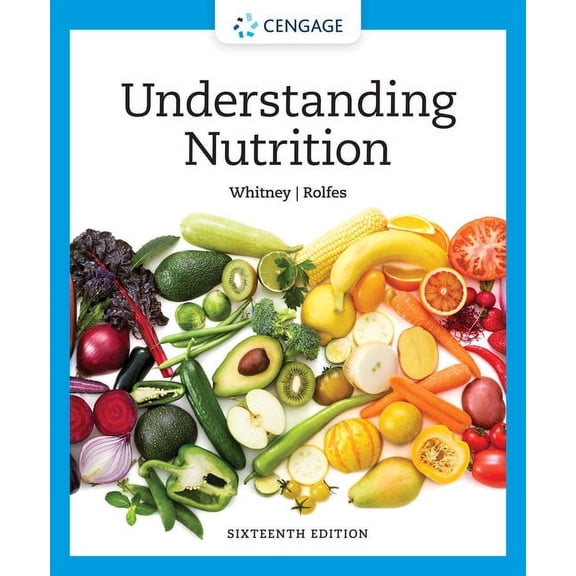














About Nutrition Books in Medical Books - Walmart.com
Health and nutrition books help you compare eating approaches, study nutrition science, and choose resources that fit your goals. In this category, you can sort practical guides from academic references and match each option to how you read. With topic filters and format choices, you can narrow titles for coursework, meal planning, or everyday learning.
How to choose health and nutrition books
You should start by deciding whether you want everyday guidance or coursework support. You may prefer a practical meal planner, or you may need an academic textbook with citations. That first choice helps you focus on the right level of detail.
For topic selection, you can compare clinical nutrition, sports nutrition, weight loss, and plant-based diets. By matching the subject to your interests, classes, or training plans, you can keep your reading aligned with what you want to learn.
Reading level matters when you compare nutrition titles. You may want popular science for plain explanations, or you may need technical language for classroom or professional use. In many cases, you can check sample pages to confirm the tone fits your needs.
Key benefits of health and nutrition books
These books help you turn broad nutrition advice into a practical reading path for shopping, cooking, and studying. You can find frameworks for food groups, meal structure, and nutrient basics in one place. That setup can make complex topics feel more approachable.
When you compare titles carefully, you can choose resources that fit your routine without adding extra steps. You may want beginner-friendly chapters, detailed charts, or meal planning worksheets. Your choice should reflect how you plan to use the book each week.
- You can build a solid understanding of nutrition terms, labels, and common eating approaches.
- You can choose books that fit your schedule, whether you read in short sessions or study in extended blocks.
- You can focus on subjects like sports nutrition, plant-based eating, or clinical reference material.
- You can find books that balance science, practical meals, and everyday food planning.
Your target audience is another useful filter when you compare options. If you're new to nutrition, you may want an introductory guide with plain language. If you're studying professionally, you may want citations and clinical terminology.
Choosing topic, format, and depth
Topic focus should be your first filter because it shapes every chapter you read. You may want clinical nutrition for coursework, sports nutrition for training support, or plant-based diets for lifestyle guidance. Your subject choice should connect directly to your daily questions or class goals.
Format matters because your reading habits can vary across home, class, and travel. You may like paperback for portability, hardcover for shelf reference, digital eBook for search, or audiobook for listening. Each format supports a different way to read and review.
You should also compare scientific depth before you choose. You may want peer-reviewed citations and clinical terminology for formal study, while practical meal planners often focus on simple actions and repeatable routines. That difference matters when you need evidence-focused reading or daily guidance.
For academic versus general reading, you should check the table of contents and sample pages when available. You can often spot a technical title by its charts, references, and discipline-specific vocabulary. Those details help you separate classroom texts from casual reading.
Practicality is another major decision point for your purchase. You may prefer books with meal plans, grocery lists, recipes, or weekly templates if you want guidance you can apply right away. If you want theory first, you may choose books with concepts and research summaries.
Matching health and nutrition books to your goals
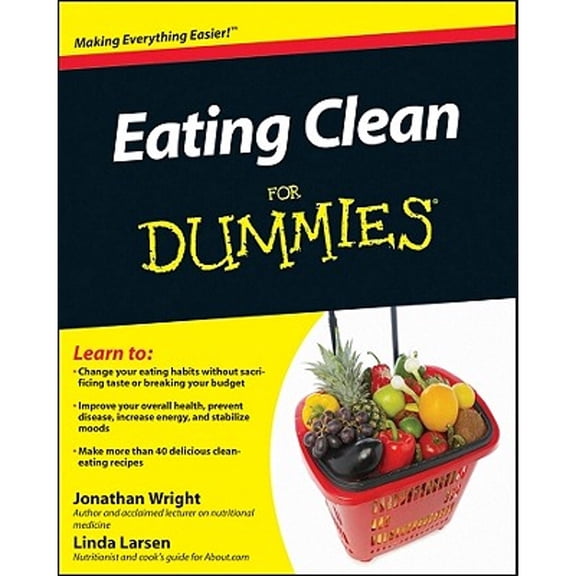
If you're a beginner, you may want health and nutrition books that explain core concepts in plain language. You can appreciate titles that define macronutrients, portion ideas, and balanced meal patterns clearly. That style helps you build confidence as you learn.
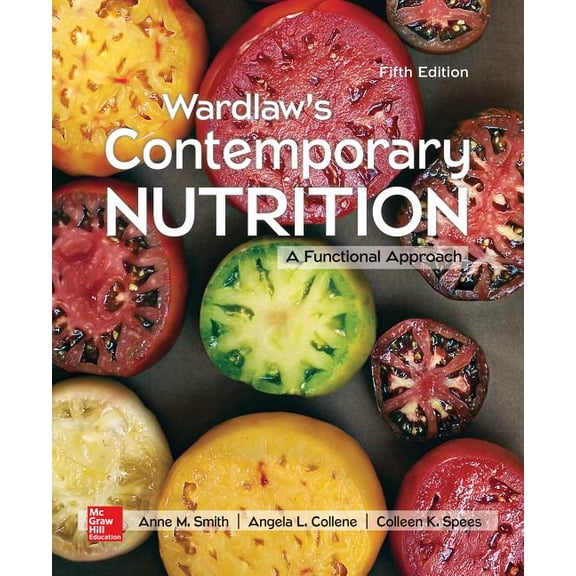
If you're a student, you may need books with structured chapters, peer-reviewed citations, and technical nutrition vocabulary. You can use those features to support coursework, exams, and subject review. Your reading can feel organized when the material follows a clear sequence.
If you're a dietitian or advanced reader, you may look for clinical terminology and evidence-focused discussion. You can compare chapter depth and reference sections to find books that support professional reading. Those features can support your research process and note-taking.
If you're a fitness enthusiast, you may focus on sports nutrition, meal timing, and food planning around training. You can look for straightforward charts, sample menus, and explanations that fit active routines. That combination helps you connect nutrition ideas to your schedule.
Your dietary philosophy should guide your selection too. You may want books centered on low-carb, balanced eating, or vegan approaches, so your reading aligns with the meals you prepare. That match can make recipes, meal plans, and examples fit your preferences.
You can also match format to your reading habits and environment. You may keep a hardcover at your desk, carry a paperback in your bag, or use an eBook for searchable notes. An audiobook may fit your commute or your workout schedule.
When you want a category that supports learning and daily use, health and nutrition books give you practical ways to compare science, format, and usability. You can choose resources that fit your goals. You can make your next read simpler to use.