

Gynecology & Obstetrics Books in Medical Books















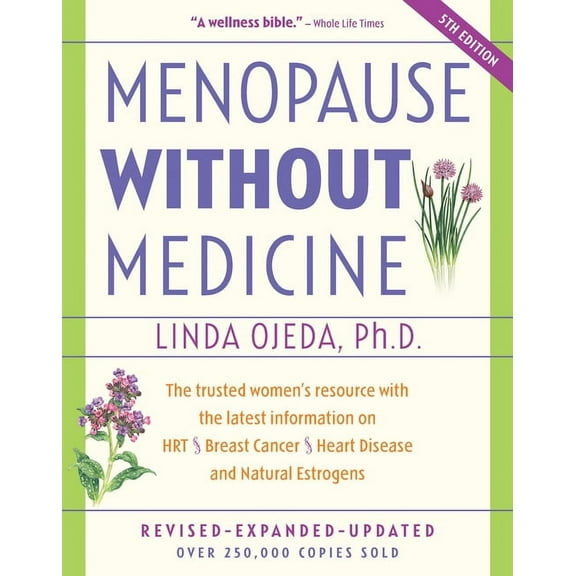

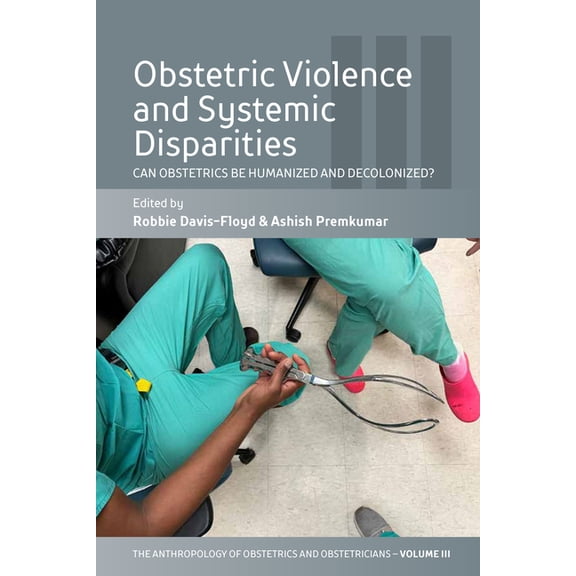




About Gynecology & Obstetrics Books in Medical Books - Walmart.com
You'll find gynecologist books that support coursework, clinical study, and professional reference needs in one focused medical category. You can compare textbook formats, specialty coverage, and audience fit without sorting through unrelated medical subjects.
How to choose gynecologist books for your goals
When you compare gynecologist books, you should start with your course list, rotation needs, or office reference goals. You can narrow your options faster by checking book type, specialty focus, and intended reader level.
If your program requires a specific edition, you should check the edition year and ISBN before you choose. You can use those details to match syllabi, library lists, and instructor requirements.
You'll also want to check whether your title includes companion website access or digital study tools. You can use those extras for quizzes, image review, and flexible study sessions.
Choosing between gynecology books by book type
You can use textbooks when you need broad coverage across anatomy, diagnosis, procedures, and clinical foundations. You'll usually find them useful for semester courses, structured study, and assigned reading.
Clinical guides help you focus on practical workflows, common presentations, and point-of-care reference needs. You can keep these in mind when your priority is applied decision support instead of chapter-by-chapter instruction.
Board review titles help you concentrate on exam-style summaries, rapid recall, and condensed topic review. You'll appreciate this format when you need focused prep rather than long explanatory chapters.
Patient reference books work well when you want plain-language explanations for common women's health topics. You can use them to support conversations, education plans, and easy at-home reading.
- You can choose textbooks for curriculum alignment and comprehensive study.
- You can pick clinical guides for rotation support and quick reference.
- You can use board reviews for exam prep and concise topic refreshers.
- You can select patient references for clear, reader-friendly explanations.
What to look for in medical specialty coverage
You should compare whether a title centers on obstetrics, gynecology, reproductive endocrinology, or maternal-fetal medicine. You can match that focus to your clerkship, fellowship interest, or daily practice area.
Obstetrics titles usually emphasize pregnancy care, labor, delivery, and postpartum topics. Gynecology books often focus on pelvic exams, procedures, pathology, and lifelong reproductive care.
If you need narrower content, you can look for reproductive endocrinology coverage on fertility, hormones, and cycle-related topics. You can also consider maternal-fetal medicine titles for complex pregnancy reference and advanced case review.
You may also search for gynaecology books when you compare spelling variants across academic lists and publisher records. You'll benefit from recognizing both forms during catalog and edition checks.
Matching the audience level to your training stage
You should check whether the book targets medical students, residents, practicing physicians, or nurses. You can avoid overly basic or overly dense material by matching the audience label first.
If you're in medical school, you may need foundation text, clear diagrams, and chapter organization that follows a course sequence. If you're in residency, you may prefer case-based discussion, management pathways, and stronger procedural detail.
If you're in practice, you may want concise updates, specialty references, and content that supports quick consultation. If you're buying for nursing use, you may want focused explanations, care coordination context, and readable clinical summaries.
If you're buying for mixed teams, you can compare chapter depth, glossary support, and visual learning tools. You'll make a more accurate choice when the reading level matches your daily use.
Checking editions, ISBNs, and digital access
You should verify the edition year when your instructor, department, or board plan lists a required version. You can prevent mismatch issues by comparing the ISBN on the product page with your official materials.
A newer edition may include revised terminology, updated tables, and current practice content for coursework. You'll want those details when your class or training program references specific chapters and page ranges.
You should also check whether your selection includes companion website access, question banks, or digital images. You can get more flexible study support when your title combines print learning with online tools.
If you prefer a quick confirmation step, you can compare subtitle wording, publication details, and access notes. You'll feel more confident when every listing detail matches your reading list.
Choosing language and study scenarios
You can compare English and Spanish options when language preference shapes how you study or share information. You'll want a format that matches your reading comfort and educational setting.
For classroom use, you may want comprehensive gynecology books with clear chapter flow and exam support features. For clinic settings, you may prefer concise references that fit fast consultation needs.
If you're preparing for boards, you can focus on review-driven content with summaries and self-test structure. If you're supporting patient education, you can choose accessible reference books with straightforward explanations.
You can also match content to subspecialty interest, from obstetrics rotations to reproductive endocrinology study plans. You'll get a more useful resource when the book's purpose fits your actual schedule and setting.
With the right gynecologist books, you can align editions, specialty focus, and reader level with far less guesswork. You'll end up with resources that fit your curriculum, clinical workflow, and study routine.