

Health Care Delivery Books in Medical Books


























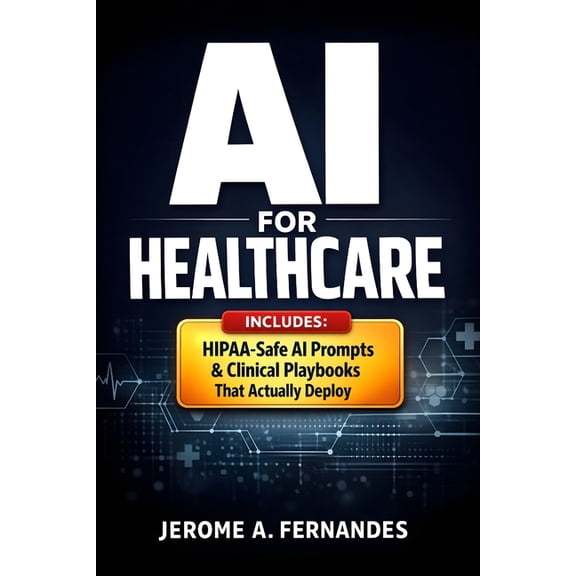
About Health Care Delivery Books in Medical Books - Walmart.com
Healthcare delivery books help you study policy, management, and care systems with clearer context. You'll compare formats, editions, and topic focus to match coursework or professional reading needs.
Many shoppers need titles that explain reimbursement models, organizational structure, and patient flow across hospitals, clinics, and public programs. You'll also find texts that clarify quality metrics, access challenges, and systemwide decision-making.
How to choose healthcare delivery books
Your course syllabus, certification plan, or workplace goal should guide your first decision. From there, you'll narrow choices by format, audience level, and publication date.
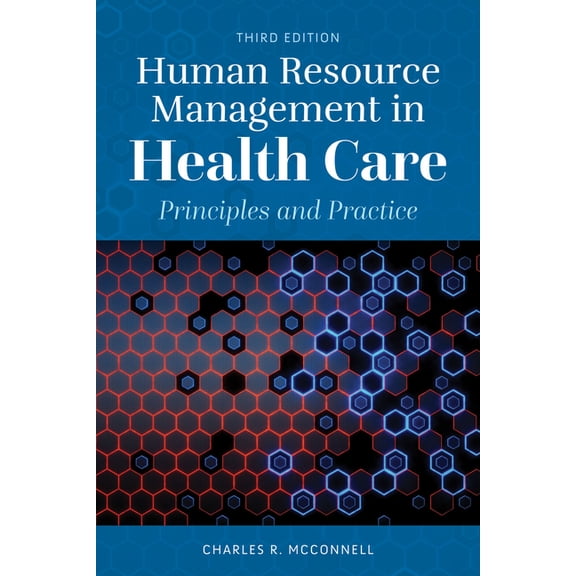
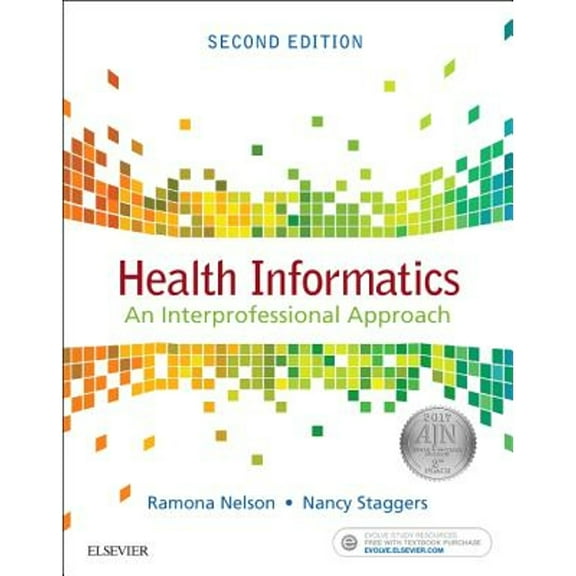
In many classes, you'll need an exact edition number and ISBN for assigned reading. Those details help you match required chapters, discussion prompts, and cited page numbers.
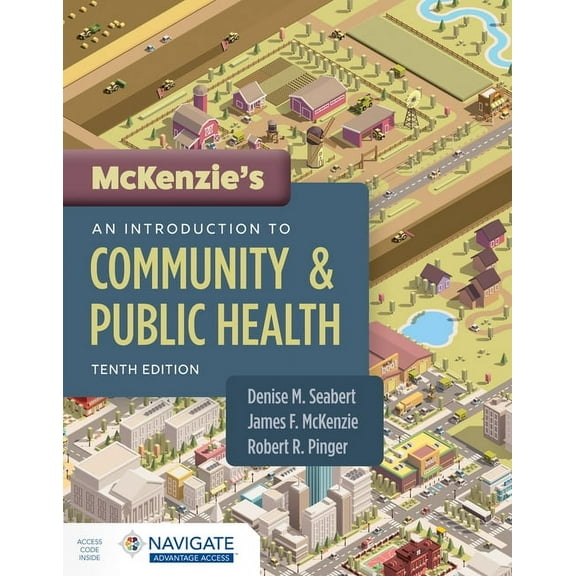
Some courses also require companion materials for quizzes or online assignments. You'll want to confirm whether access code details or supporting resources appear in the listing.
Choosing formats in healthcare delivery books
Format affects how you read, carry, and review your material. You'll often prefer print for highlighting, while digital options can simplify search and note review.
Hardcover editions usually fit long-term reference use and repeated shelf access. Paperback choices often suit commuting, shared workspaces, and lighter daily carry.
Digital editions can help when your reading moves across several devices. Textbook versions often align closely with chapter-based coursework and structured class assignments.
- Your hardcover choice can support repeated reference and shelf organization.
- Your paperback option can reduce bulk during class, clinic, or library travel.
- Your digital format can make keyword search and note review easier.
- Your textbook selection can match syllabus chapters, ISBN requirements, and companion materials.
Comparing topic focus in health care systems textbooks
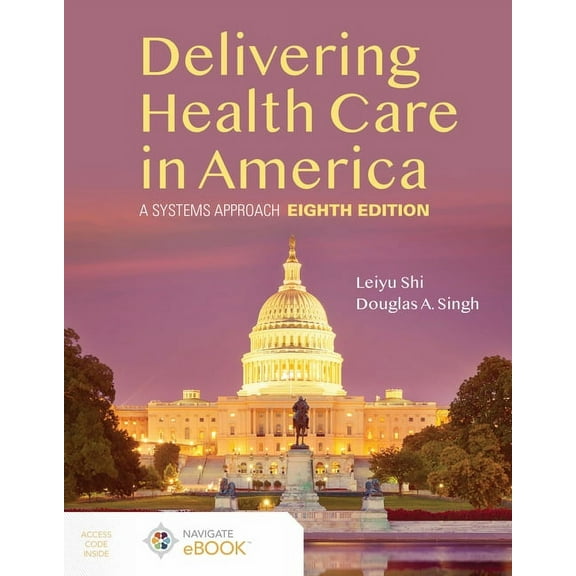
Topic focus shapes whether your book supports policy analysis, operations, or classroom discussion. You'll often see health care systems textbooks cover financing, regulation, and organizational models.
Health policy titles can help you understand legislation, access, and payment systems in plain terms. You'll use that context to connect classroom concepts with public and private delivery structures.
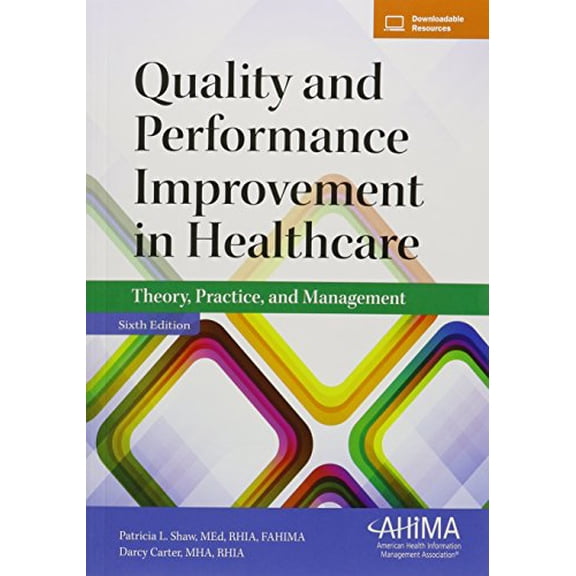
Healthcare quality improvement books usually center on process mapping, performance measures, and workflow review. Patient safety textbooks often support assignments about reporting systems, communication, and care coordination.
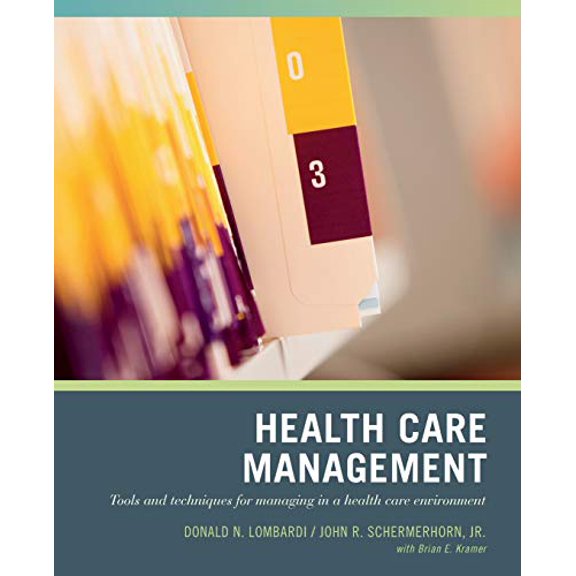
Systems management titles can fit your work when staffing, scheduling, and service design matter. Medical practice management books can also support leadership discussions and operational planning.
Choosing healthcare administration books by audience level
Your background should shape the depth and style you choose. You'll usually want a level that matches your program, role, and reading expectations.
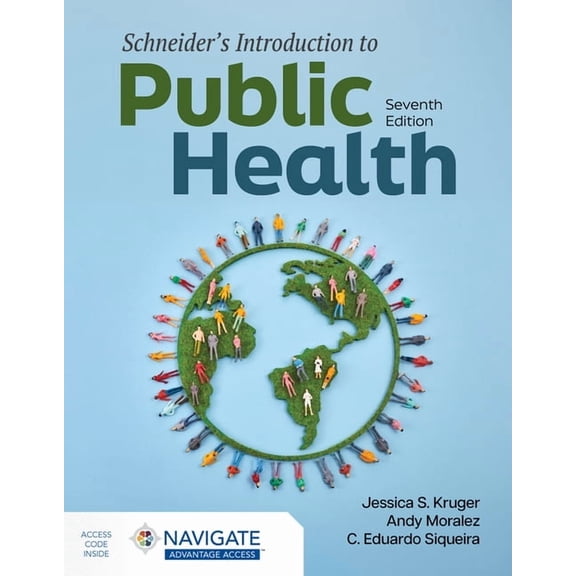
Introductory texts often explain providers, payers, and delivery models with clearer definitions. You'll build a foundation before moving into case studies, policy analysis, and advanced frameworks.
Academic or graduate titles may fit when your course emphasizes research methods and cited sources. Healthcare administration books at that level often support program planning and organizational analysis.
Professional or clinical titles can work when your goal is applied decision support. You'll often use those books when daily operations, team workflows, and service delivery examples matter.
Checking editions, ISBN details, and companion materials
Edition and publication year can strongly affect whether a title fits your requirement. You'll often want current editions when policy updates and reimbursement changes shape your coursework.
Classic or historical works can still matter when your class examines how delivery models evolved. You'll gain context for managed care, regulation, and quality reporting over time.
Before choosing, you'll want to verify the edition number and ISBN listed for the book. Those details can prevent mismatched assignments when an instructor names a specific text.
Companion materials also deserve a close look when online coursework is involved. You'll want clear access code information if your class includes quizzes, case exercises, or digital platforms.
Using healthcare delivery books for study and practice
These books can support exam review, graduate seminars, and workplace development. You'll rely on them when you need structured explanations of policy, administration, and systems change.
For leadership coursework, healthcare administration textbooks can help you compare management models and organizational roles. You'll use those readings for papers, presentations, and program management discussions.
When your project spans hospitals, outpatient care, and community services, medical delivery system books can provide broader context. You'll also find them useful for understanding payment pathways and care settings.
With the right mix of format, topic, level, and edition, your selection becomes easier to use. You'll get more relevant support when each detail matches your syllabus or professional focus.