

Physician & Patient Books in Medical Books











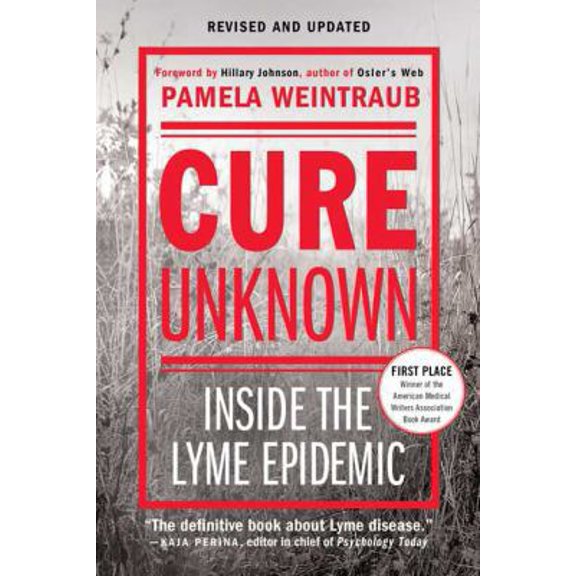

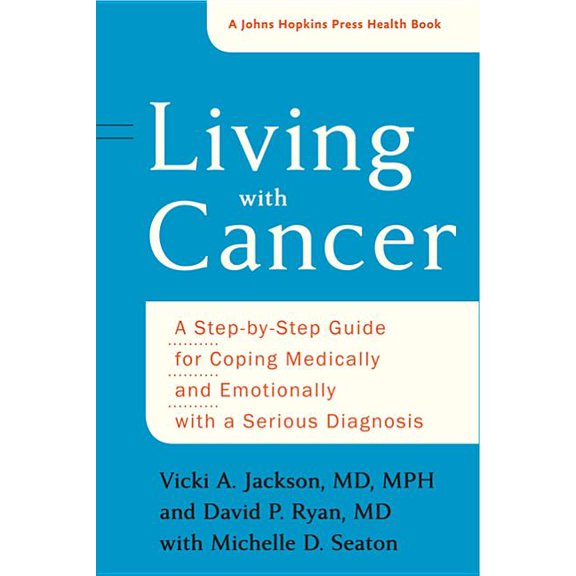



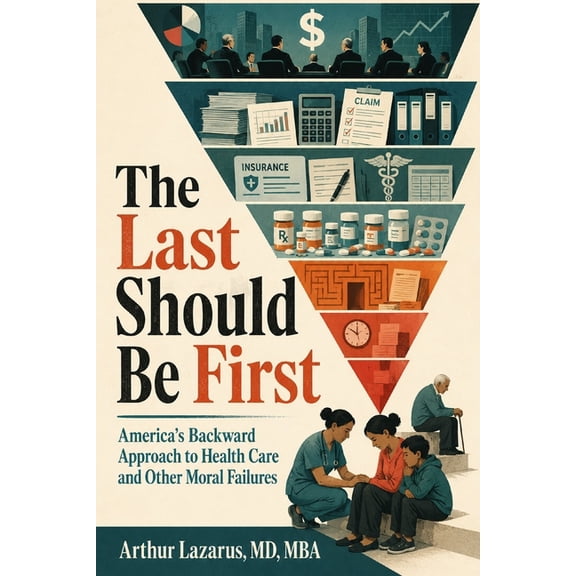
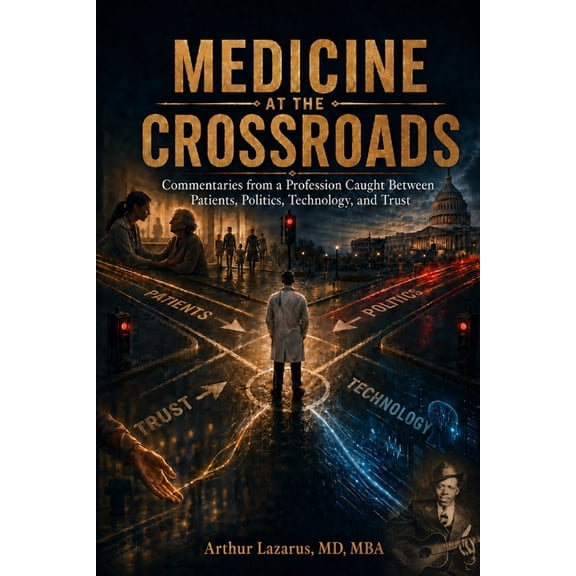









About Physician & Patient Books in Medical Books - Walmart.com
You can use physician patient books to compare clinical communication guidance, patient perspectives, and ethics-focused reading for study or daily reference. You’ll find this category especially useful when your coursework, training, or professional reading centers on conversations, trust, and shared decisions.
How to choose physician patient books
You should start by matching the book to your target audience and reading goal. You may need a classroom text, a practical handbook, or a patient-facing title with clearer language.
When you compare audience levels, you can separate technical frameworks from approachable explanations. You’ll often see titles written for medical students, practicing physicians, patients, and healthcare administrators.
You can also use this category to narrow books by core topic before you choose a format. Your focus may center on bedside manner, medical ethics, shared decision-making, or patient advocacy.
- You can compare technical textbooks with practical guides that use case studies and conversation examples.
- You can look for doctor patient relationship books that match your specialty and reading level.
- You can choose formats that fit your study habits, note-taking style, and reference needs.
- You can find medical communication books that support coursework, training, and professional development.
Choosing books by audience and topic
If you’re a medical student, you may want structured chapters, communication models, and discussion prompts. If you’re practicing clinically, you may prefer concise guidance you can revisit between patient interactions.
For patient readers, you should look for plain-language explanations and real-world perspective. For healthcare administrators, you may want titles that cover communication systems, policy context, and patient advocacy themes.
You can use core topics to make your shortlist faster and with more confidence. Bedside manner books often emphasize tone, listening, empathy, and trust during difficult conversations.
Medical ethics titles can help you compare consent, autonomy, confidentiality, and professional judgment in everyday practice. Shared decision-making books may fit your needs when you want communication frameworks for collaborative care planning.
What to look for in physician patient communication
You should check whether the book takes an academic or practical approach before you commit. Some titles explain clinical communication models, while others show case studies, scripts, and reflective exercises.
If you need physician patient communication content for coursework, you may want references, chapter summaries, and clearly organized terminology. If you need workplace application, you may prefer examples that mirror office visits, rounds, or family meetings.
You can also compare clinical specialty relevance so your reading feels more useful. General practice titles often cover broad communication patterns, while palliative care books may focus on serious conversations and family-centered dialogue.
Pediatrics books may guide you through communication with both children and caregivers. Oncology titles may center on long treatment paths, complex choices, and ongoing physician patient communication.
Comparing formats and edition needs
You can choose paperback when you want portability, margin notes, and easy carrying between classes or offices. You may prefer hardcover when your shelf needs a durable reference for repeated use.
If you want quick access across devices, you should consider e-book options. You can search terms quickly, highlight sections, and return to key passages during study sessions.
You should also check edition details when your course or reading list calls for current material. Newer editions may include updated case discussions, revised terminology, and expanded guidance on patient-centered communication.
When you compare formats, you can balance convenience with how you actually read and retain information. Your choice often depends on whether you annotate heavily, travel often, or switch between class and clinic.
Using doctor patient relationship books in real settings
You can use doctor patient relationship books during medical school seminars, communication electives, and ethics courses. You may also use them for reflective reading before interviews, clerkships, or residency preparation.
In practice settings, you might keep relevant titles nearby for team discussion or continuing education. You can return to chapters on listening, counseling, and patient advocacy when your role involves complex conversations.
If your work centers on pediatrics, you may look for books that address developmental stages and caregiver communication. If your work involves oncology or palliative care, you may need specialty examples with extended decision pathways.
You can also choose these books when you want patient perspective alongside professional training content. That mix can help you compare how communication theories translate into lived healthcare experiences.
You’ll get more from this category when you match audience, topic, specialty, and format before choosing. Your final selection can give you clearer communication frameworks and more relevant reading for study, teaching, or patient-centered practice.