

General Medical Books in Medical Books





























About General Medical Books in Medical Books - Walmart.com
You can compare general medical books by specialty, format, audience, and publication type before you choose the right resource. You'll find this category useful for coursework, daily reference, and broad healthcare education.
Whether you're studying anatomy terms or checking updated care guidance, you need titles that match your purpose. You can narrow your options faster when you understand how each book type supports reading, review, or clinical lookup.
How to choose general medical books
Start with medical specialty, because your subject focus shapes how useful a title feels. You should compare internal medicine, pediatrics, nursing, and surgery topics before you commit.
If you're building a course list, you may want broader medical textbooks that cover systems, terminology, and foundational concepts. If you're supporting daily work, you may prefer focused medical reference books with faster lookup.
You should also check the publication year and edition before you decide. You'll want current terminology, coding references, and guideline updates when your subject changes often.
- You can choose internal medicine titles for diagnosis frameworks, organ systems, and adult care topics.
- You can look at pediatrics books when your reading needs age-specific growth, development, and treatment context.
- You can compare nursing resources for care planning language, bedside workflow, and exam preparation support.
- You can review surgery materials for procedural terminology, anatomy review, and perioperative concepts.
Choosing between medical textbooks and medical reference books
You should match the publication type to the way you'll use it each day. Textbooks usually support structured learning, while dictionaries and manuals support quick consultation.
If you're in a class, you may need chapter-based progression, review questions, and diagrams that build understanding over time. If you're in practice, you may need indexed content that helps your searches move faster.
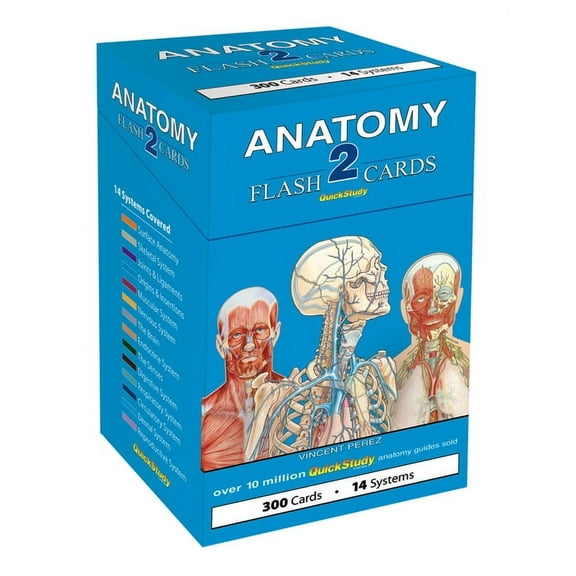
Study guides can help you focus on key terms, summary points, and exam-style review. Clinical manuals can help you check procedures, abbreviations, and common workflows in one place.
You can also compare clinical medicine books by depth before you buy. Introductory titles usually explain concepts plainly, while advanced works use denser terminology and narrower scope.
That difference matters when you're choosing for medical students, practitioners, nurses, or general readers. You'll get more useful reading when the language level matches your training and daily tasks.
What to look for in format and edition details
You can choose paperback, hardcover, or digital formats based on where and how you read. Paperback can feel easier to carry, hardcover can suit shelf reference, and digital can support quick searching.
If you're moving between class, home, and clinical settings, you may prefer a lighter format. If your title stays on a desk, you may care more about durable construction and easy page scanning.
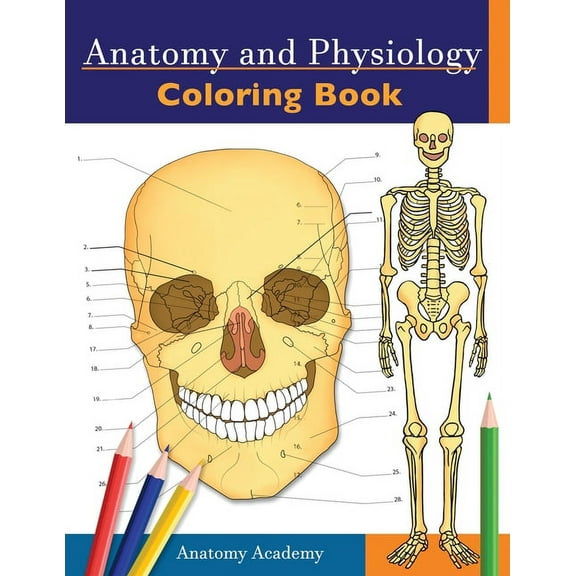
You should check whether charts, tables, and illustrations are central to your learning style. You'll often benefit from clear page layouts when you're reviewing anatomy labels, ICD-10 codes, or medication classifications.
Edition currency is another major decision point in healthcare books. You should compare publication dates when you rely on current standards, revised terminology, or updated coding systems.
Older editions may still work for broad background reading and historical context. Newer editions may fit your needs when you need current references for classes, clinics, or workplace libraries.
Matching audience and use case
You can narrow general medical books quickly when you define your audience first. Medical students often need structured explanations, while practitioners often need concise access to facts.
Nurses may look for titles that connect terminology with patient documentation and everyday care routines. General readers may prefer healthcare books that explain medical ideas without dense technical language.
If you're preparing for exams, you may want textbooks and study guides with summaries, review sections, and labeled illustrations. If you're supporting daily work, you may want dictionaries or clinical manuals with fast navigation.
You can also match specialties to common scenarios for a clearer decision. Internal medicine books can suit broad adult topics, while pediatrics books can support child-focused coursework or practice reading.
Surgery titles can help when you need procedural vocabulary and anatomy review in one resource. Nursing titles can fit classroom study, licensure prep, or unit-based reference needs.
When you compare target audience with publication type, your choices become easier to sort. You'll often find the right fit by pairing your reading level with your daily reason for using the book.
How general medical books support everyday study and reference
You can use these books in classrooms, offices, libraries, and home study spaces. You'll appreciate category variety when one title supports foundations and another supports quick lookups.
Some readers build a small set that includes a textbook, a dictionary, and a manual. You can create a more useful collection when each title serves a different study or reference role.
If you're comparing clinical medicine books for long sessions, you may focus on organization and readability. If you're comparing medical reference books for quick checks, you may focus on indexing and concise entries.
You can shop this category with more confidence when you compare specialty relevance, format, audience, and edition details together. You'll make a smarter choice when your book fits your subject, reading style, and intended use.