

Sports Medicine Books in Medical Books



















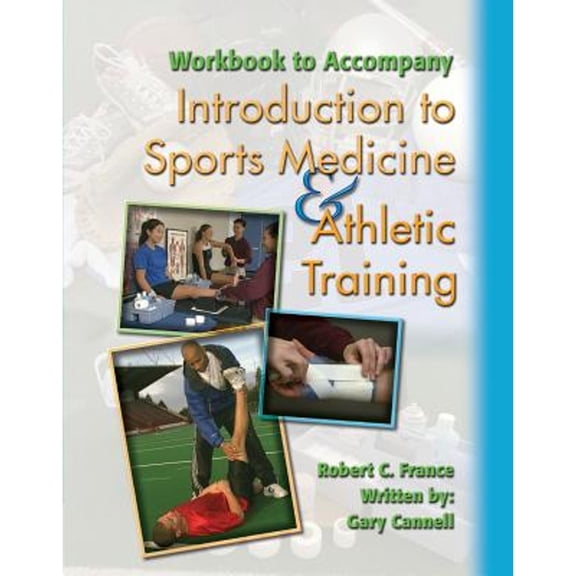

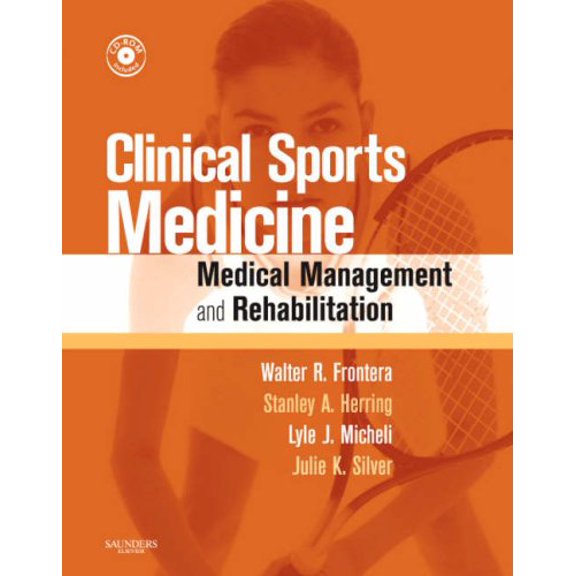
About Sports Medicine Books in Medical Books - Walmart.com
Sports medicine books help you compare textbooks, clinical references, and study guides for coursework, certification prep, and daily practice. You can use this category to narrow choices by book type, audience, focus area, and format.
How to choose sports medicine books
When you choose sports medicine books, you should start with the level of detail your class or role requires. You may want foundational coverage for study, or you may need advanced clinical material for applied decisions.
Book type shapes how you learn and reference information during busy schedules. You can compare textbooks for structured chapters, handbooks for quick checks, study guides for review, and clinical references for deeper detail.
Target audience also matters because your coursework and responsibilities shape the language you need. You may prefer titles written for medical students, athletic trainers, physical therapists, or coaches with sport-specific concerns.
- You can use textbooks for organized chapter progression, review questions, and broad topic coverage.
- You may prefer clinical reference guides when your work calls for quick lookups on evaluation methods and terminology.
- You can choose study guides when your focus is exam review, memorization, and condensed summaries.
- You should compare handbooks when you want portable information for classes, clinics, or training rooms.
Choosing sports medicine textbooks by focus and format
Sports medicine textbooks often differ by clinical emphasis, so you should match the book to your subject area. You may look for orthopedics, rehabilitation, injury prevention, biomechanics, musculoskeletal assessment, or sports nutrition coverage.
If your classes center on movement analysis, you should compare titles that explain biomechanics in plain language. If your work involves recovery planning, you may want in-depth rehabilitation chapters and exercise progression content.
Publication currency can affect how useful a title feels during study or professional review. You should check whether you need the current edition for updated terminology, current references, and updated illustrations.
Authority matters in specialized learning, so you may compare authors, editors, and publishers before choosing. You can look for recognized organizations, respected educators, and established medical publishing programs when credibility matters.
Format changes how you read, carry, and revisit material throughout the week. You may prefer paperback for portability, hardcover for repeated shelf use, or digital access for quick searching across chapters.
If you travel between class, clinic, and practice, you might like a lightweight paperback or digital option. If you build a long-term library, you may lean toward hardcover copies that hold up through repeated reference.
Choosing athletic training books for your role
Athletic training books can help you align your purchase with your current role and your next milestone. You may need an overview for class, a focused guide for certification review, or a reference for sideline workflows.
Medical students often need broad systems coverage with anatomy, evaluation, and treatment concepts in one place. You may prefer books that connect terminology with illustrations, tables, and end-of-chapter review tools.
Athletic trainers may look for practical content on assessment, taping principles, rehabilitation planning, and return-to-play frameworks. You can compare books that balance classroom concepts with real training room applications.
Physical therapists may want titles with comprehensive musculoskeletal and rehabilitation depth across joints and movement patterns. You should look for content that explains exercise selection, functional progressions, and clinical reasoning clearly.
Coaches often need readable sports injury books that explain common issues without overwhelming technical language. You may prefer resources that connect prevention, conditioning, and recovery concepts to everyday training decisions.
Study style matters too because dense reference material and exam prep books serve different routines. You can choose visual atlases, outline-based reviews, or chapter-driven texts depending on how you absorb information.
Using sports injury books for study and reference
Sports injury books fit many settings, so you should think about where and how you will use them frequently. You may need one title for semester coursework, another for quick clinical checks, and another for broader professional development.
For classroom learning, you can pair a textbook with a study guide to reinforce terminology and chapter concepts. For practical rotations, you may want a handbook that lets you find concise information quickly.
If your interest centers on orthopedics, you should compare books with joint-specific organization and image support. If your priority is rehabilitation, you may want titles that follow progressions from evaluation through exercise planning.
When nutrition is part of your program, you can look for sports medicine reference guides that place fueling topics within athletic performance contexts. When prevention is your focus, you may prefer books covering screening, conditioning, and movement quality.
You should also compare edition dates when instructors assign required reading or citation standards. You can avoid mismatches by checking whether your course, workplace, or credentialing plan expects a current edition.
With the right combination of book type, audience fit, focus area, and format, you can build a collection that supports focused study and quick reference. You get a category designed for serious learning, practical comparison, and confident selection.