

Critical Care Books in Medical Books











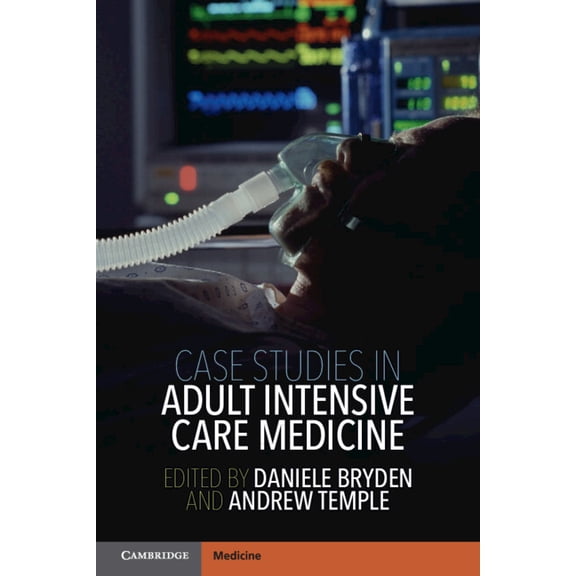

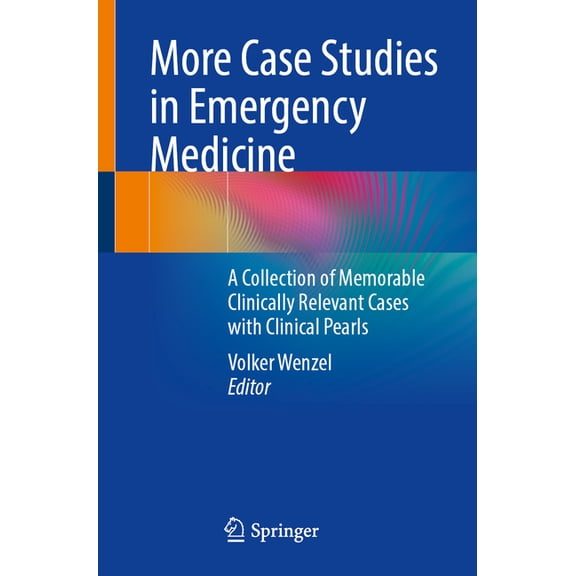
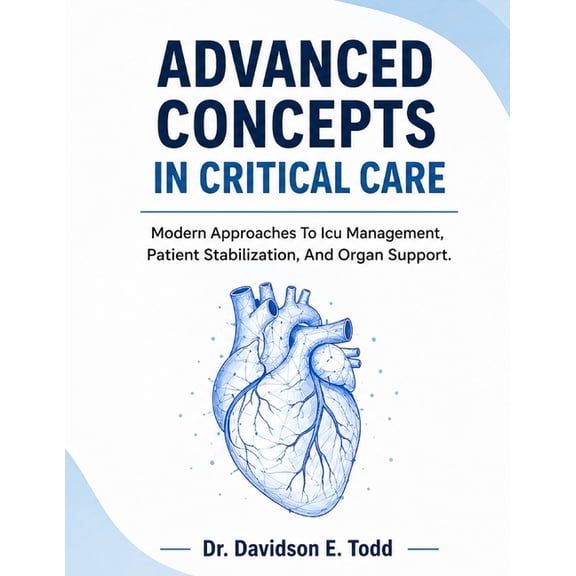






About Critical Care Books in Medical Books - Walmart.com
You can use critical care books to compare ICU study tools by specialty, format, audience, and content type. You may narrow choices for bedside reference, certification prep, and structured coursework with clearer decision points.
Because your ICU learning needs can change across shifts, rounds, and study sessions, you should start with the content type you use often. You may want a pocket guide for quick checks, or you may need a textbook for comprehensive pathophysiology and clinical context.
How to choose critical care books
Start with your medical specialty, because your daily cases shape the material you use. You may compare anesthesiology, pulmonology, emergency medicine, and pediatric ICU topics to match your setting.
If your work centers on ventilators and respiratory support, you should look for pulmonology-heavy chapters and case examples. If your role spans trauma and resuscitation, you may prefer emergency medicine content with rapid triage frameworks.
Your audience level also matters when you narrow critical care books. You may want concise explanations as an ICU nurse, while your fellowship training may call for broad physiology and highly complex management detail.
- You can choose pocket guides when your shift needs quick bedside prompts and compact drug, airway, or monitoring tables.
- You can choose textbooks when your coursework or rotation requires comprehensive pathophysiology, organ support principles, and detailed treatment algorithms.
- You can choose board review titles when your study plan needs outline-style summaries, practice questions, and exam blueprint alignment.
- You can compare recent editions when your field changes quickly and your learning depends on updated guidance and terminology.
Another key decision is clinical utility versus academic depth. You should pick a bedside-focused manual if your goal is fast access during ICU workflow.
For broad review, you may prefer a critical care medicine textbook that explains why protocols work, not only what steps to follow. You may find this approach useful when your cases become highly complex.
Choosing icu books by format and update cycle
Your format choice affects how easily you use icu books during long shifts and study blocks. You may compare hardcover, paperback, Kindle or e-book, and spiral-bound options based on where you read.
If you annotate heavily, you might prefer paperback pages or a spiral-bound design that stays open on your desk. If you move between units or classrooms, you may like an e-book that travels on your device.
Hardcover formats can suit your home library or office shelf when you want a durable reference copy. Pocket-sized manuals can suit your bag when you want light carry between work and class.
You should also check the edition year before choosing. Because critical care guidance changes often, you may want recent releases with current terminology, recent references, and refreshed review sections.
Publication currency matters when your topic includes ventilation modes, hemodynamic monitoring, sedation approaches, or sepsis frameworks. You may benefit from checking whether your chosen title reflects current teaching language and exam expectations.
Layout details can shape your daily use as much as the subject itself. You may find tabs, charts, tables, and quick-reference outlines easy to scan when your time is tight.
Comparing critical care nursing books and board review titles
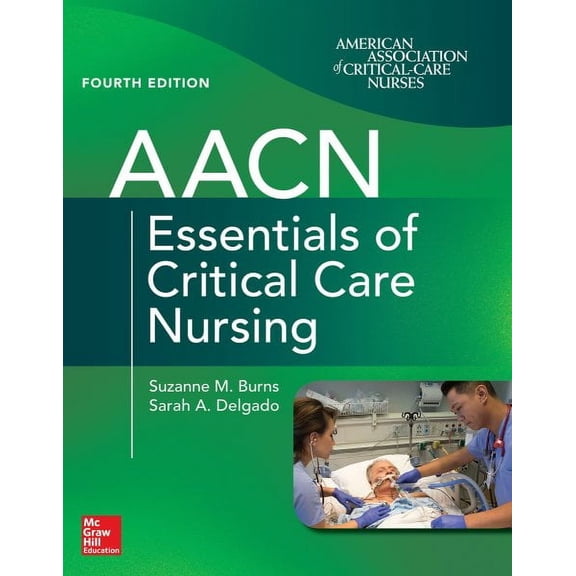
Your role should guide whether you choose broad learning texts or focused exam prep. If you're studying for certification, you may want critical care nursing books that map closely to common CCRN domains.
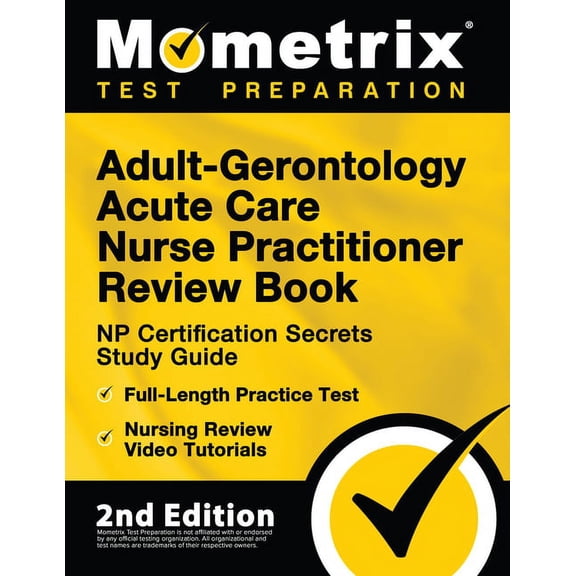
When your goal is test prep, ccrn review books can help you organize content into manageable sections. You may prefer chapter quizzes, concise rationales, and outline-based summaries for repeated review.
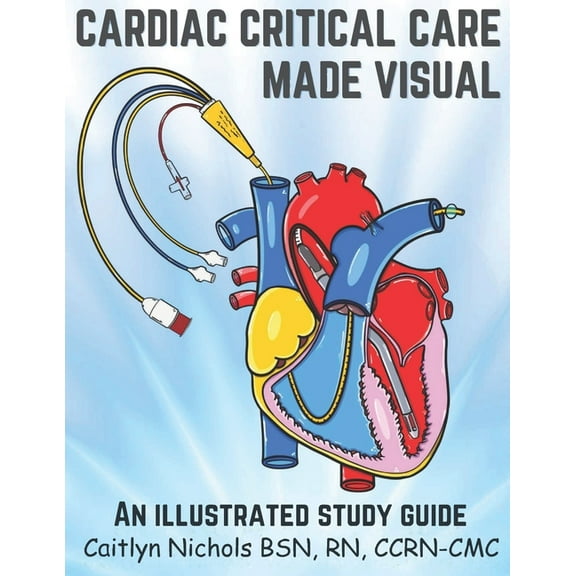
If your work includes orientation, precepting, or cross-training, you may want manuals that balance bedside tasks with clear teaching structure. You can compare titles that emphasize rhythms, hemodynamics, ventilation basics, and medication tables.
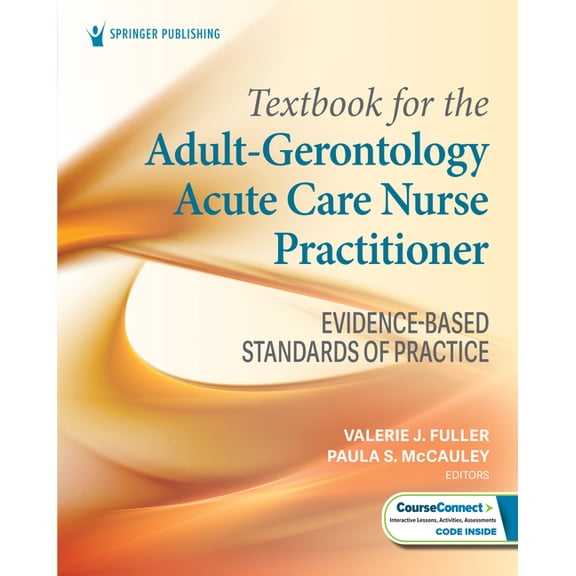
As a resident or fellow, you may need broad references that connect physiology, imaging, and multisystem management. You should look for textbooks that support extended reading sessions, case-based learning, and specialty chapters.
As a critical care physician, you may want subspecialty depth in anesthesiology or pulmonology, especially when airway, sedation, or respiratory mechanics drive your daily decisions. You can compare chapter scope to make sure your reference matches your patient mix.
If you work in a pediatric ICU, you may need age-specific dosing tables, developmental considerations, and unit-specific scenarios. You should make sure your chosen content clearly matches pediatric practice rather than adult-focused coverage.
Matching your use case to the right content type
Your use case can help you narrow choices quickly compared to title length alone. If you need rapid refreshers before rounds, you may prefer pocket guides and short clinical manuals.
For semester-long coursework, you may lean toward textbooks with deeper explanations, review questions, and strong indexing. You may appreciate chapter organization that supports both study and later reference.
If your goal is certification prep, you should compare board review titles with structured outlines and exam-style questions. You may also check whether the content aligns with your nursing or physician exam blueprint.
When your schedule includes active unit work, format convenience becomes highly important. You can keep a spiral-bound guide open on your desk, or you can switch to digital reading between locations.
If your learning style depends on quick repetition, shorter manuals and flash review sections may fit your routine. If your study style is deeper, you may prefer extended references with citations and expanded explanations.
By choosing with your specialty, format, audience, and exam goals in mind, you can narrow the field with added confidence. You can end with a reference that supports bedside decisions, structured study, and current critical care learning.