

Tropical Medicine Books in Medical Books




















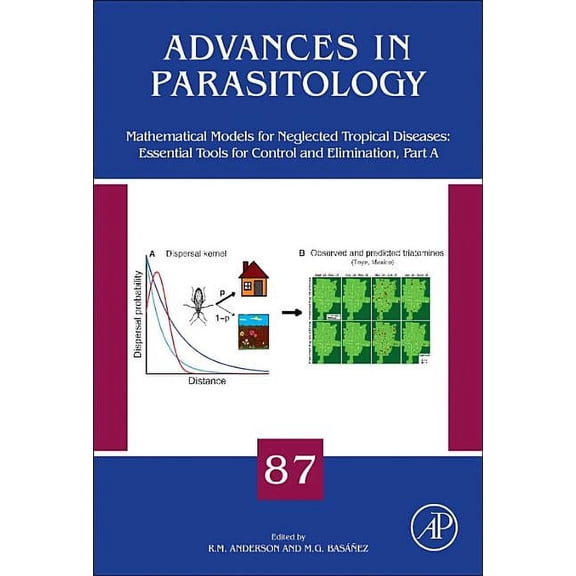
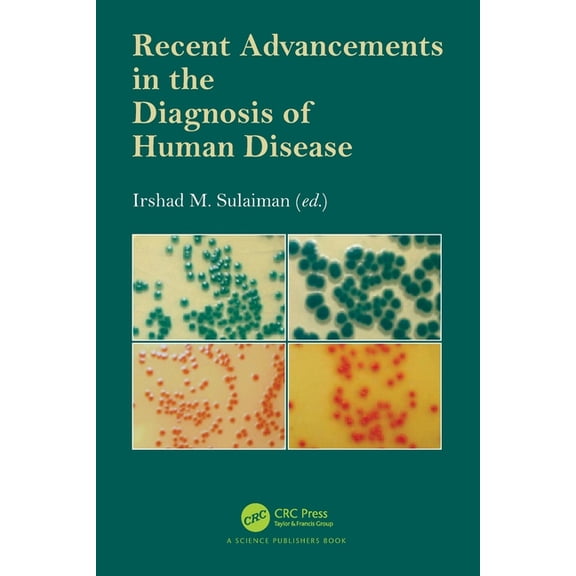

About Tropical Medicine Books in Medical Books - Walmart.com
Tropical medicine books help you compare academic references, clinical manuals, and study aids for focused medical learning. You can use this category to sort by sub-specialty, format, and edition details with clearer decision support.
If you're studying global infections or building a professional reference shelf, you need titles that match your exact workload. You may compare tropical medicine textbooks for coursework, field preparation, exam review, and daily clinical lookup.
How to choose tropical medicine books
When you choose tropical medicine books, you should start with your primary goal and setting. You may need board-focused review, bedside reference, laboratory identification support, or research-oriented background reading.
Academic titles usually emphasize foundational science, epidemiology, and structured chapter learning for longer study sessions. Clinical titles usually help you review diagnostic protocols, drug dosages, and region-specific infectious patterns more quickly.
You can narrow your options faster when you compare the category's key decisions before selecting a title. You should look at sub-specialty coverage, target audience, format, and whether the edition reflects current guidance.
- You can focus on parasitology, virology, epidemiology, or travel medicine topics.
- You can choose formats that fit lectures, rounds, fieldwork, or desk reference use.
- You can compare current edition texts with classic reference works and study guides.
- You can match content depth to student, clinician, researcher, or global health needs.
Choosing tropical medicine textbooks by format and audience
You should compare format first if your reading happens across classrooms, clinics, and travel schedules. Paperback options can feel easier to carry, while hardcover editions can suit frequent shelf and desk use.
If you reference material across devices, you may prefer an e-book for searchable access and quick chapter navigation. If you annotate heavily, you might like spiral-bound formats that stay open during note taking.
Your role also shapes the right level of detail and organization. Medical students often need chapter summaries, review questions, and clearly sequenced explanations for tropical medicine textbooks.
Clinicians may look for faster access to diagnostic protocols, dosing tables, and concise differential guidance. Researchers and global health professionals may want broader context, citation depth, and population-level discussion.
Comparing parasitology books and related sub-specialties
You can refine your search by choosing the medical sub-specialty that matches your cases or coursework. Parasitology books often help you review parasite life cycles, morphology, and identification charts in one place.
If your work spans broader outbreaks or systems, you may also compare infectious disease books with tropical emphasis. You might prefer texts that connect tropical pathogens with public health patterns, vectors, and geographic distribution.
Virology and epidemiology titles can support you when you need transmission models, outbreak tracking, and surveillance context. Travel medicine books can fit pre-travel counseling, destination preparation, and region-specific exposure planning.
You should also check whether a title includes visual aids that match your learning style. High-resolution pathology plates and parasite identification charts can help you scan findings and compare organisms more efficiently.
Checking edition currency and reference depth
You should review publication date and edition details before choosing a core reference. Tropical medicine changes quickly, so your current edition choice can align more closely with current guidance and newer pathogens.
Classic reference texts can still help you when you want foundational explanations and historical context. Study guides can support you when you need condensed review, exam preparation, and faster topic refreshers.
If you need one main text, you should compare breadth against depth before deciding. A broad survey may cover many regions, while a focused text may go deeper into parasites, vectors, or travel-related concerns.
You may also want books that separate quick-reference tables from full narrative chapters. That structure can help you move from fast lookup to deeper reading without losing your place.
Using tropical medicine books in real study and practice settings
You can build a smarter shelf by matching book type to how you actually work. A student may pair a broad textbook with a study guide, while a clinician may pair a manual with an e-book.
If you rotate through clinics or field programs, you may want compact references for mobile use. If you spend long hours at a desk, you may choose hardcover texts with detailed visuals and longer chapters.
You might also organize your selection around a focused interest area. If your coursework centers on worms, protozoa, and vectors, parasitology books may deserve a significant share of your shelf.
For broader training, you may combine travel medicine books with infectious disease books that include tropical regions. That mix can help you review prevention guidance, disease patterns, and clinical context in one workflow.
When you compare by format, sub-specialty, audience, and edition, you can choose references with more confidence. You end up with resources that fit your learning pace, support clearer lookup, and keep important information within reach.