

Medical Administration Books in Medical Books
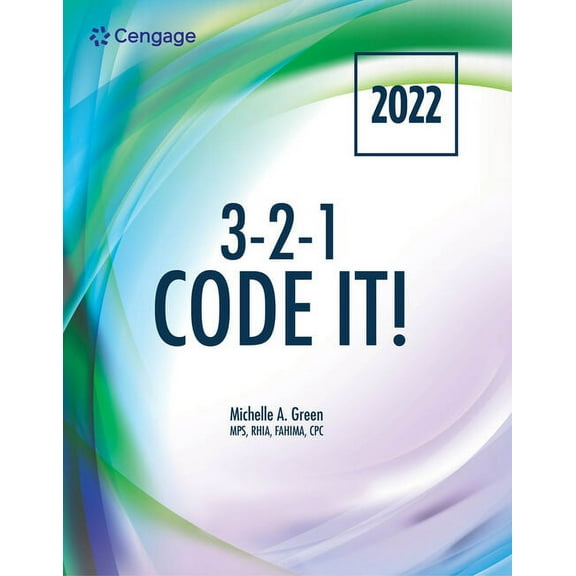











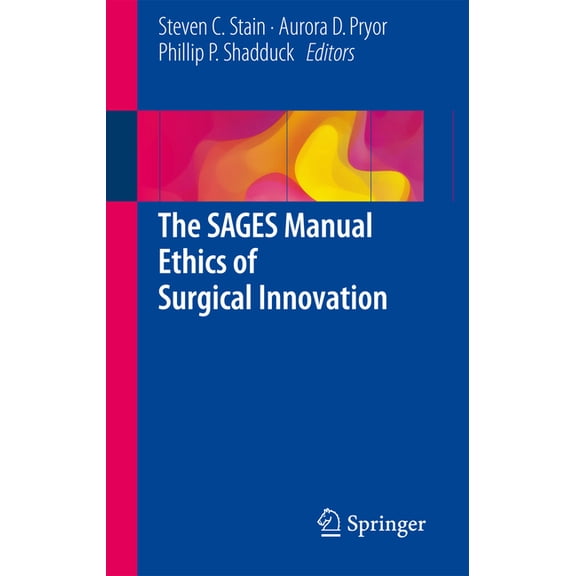
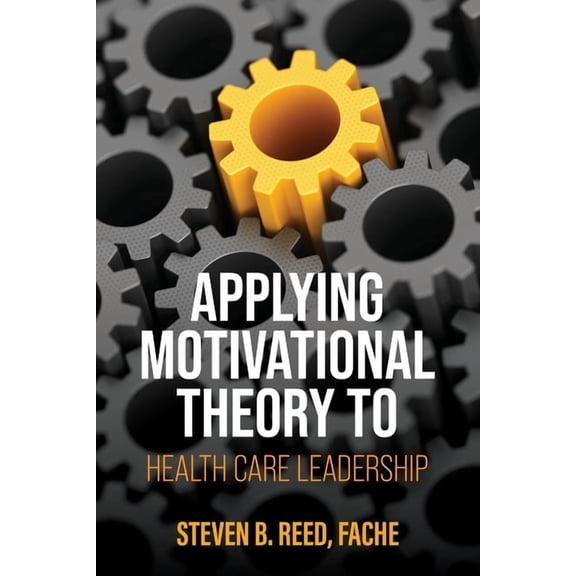



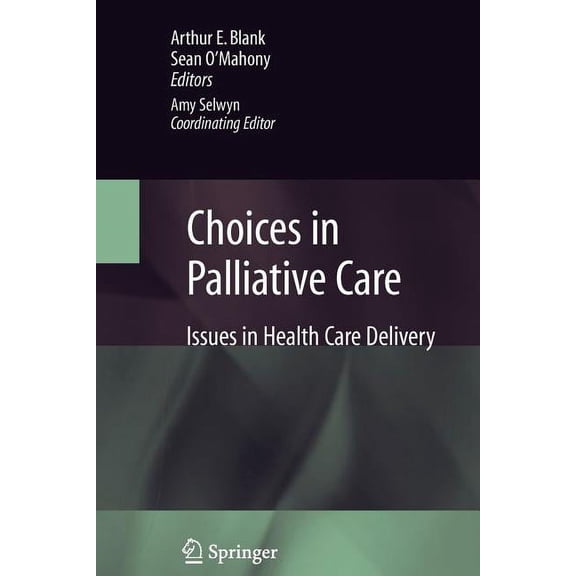

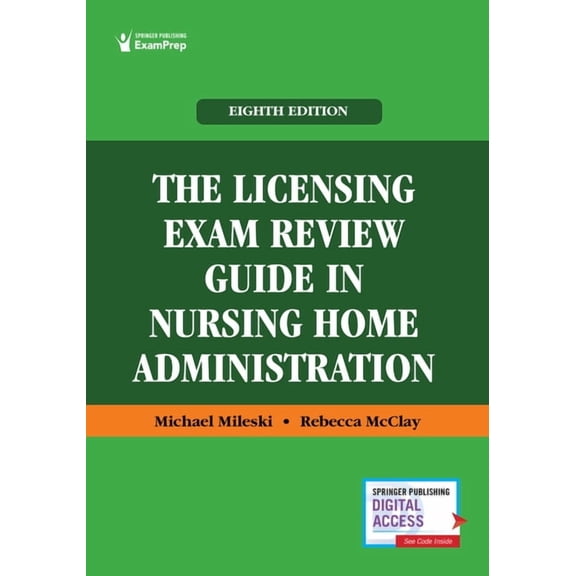






About Medical Administration Books in Medical Books - Walmart.com
Medical administration books help you study course material, compare specialties, and choose resources that match your training path. You can use this category to find texts for classroom work, office reference, and certification-focused learning.
If you're building a medical office library, you may need current editions with billing, coding, and workflow topics. You can also compare formats and subject areas that fit your schedule, note-taking style, and program requirements.
How to choose medical administration books
When you compare medical administration books, you should start with your course list, job focus, or certification goal. You can narrow options faster when you know whether you need administration, billing, coding, or health information content.
You'll also want to check edition dates before you choose a title. Because requirements and office processes change often, you may prefer a newer edition for current terminology, forms, and compliance topics.
- You can choose subject-specific texts for coding, billing, leadership, or records management.
- You can match book format to how you study, annotate, and carry materials each day.
- You can select certification-aligned titles for CPC, RHIA, CCS, or CMA preparation.
- You can compare textbooks with workbooks or online components for more guided practice.
Choosing format and study support
You may prefer paperback copies when you want a lighter book for class or commuting. You might choose hardcover when your coursework is long-term and your reference book needs a sturdier build.
If you study across devices, you may look for an e-book that fits flexible reading sessions. If you take detailed notes, you may prefer spiral-bound formats that lay flatter during workbook exercises.
You should also compare how each title teaches the material. Some books focus on theory and policy, while others help you practice with charts, scenarios, forms, and review questions.
If your program requires applied learning, you may want a medical office administration textbook with exercises or access codes. Those extras can help you connect chapter concepts to front-desk tasks, scheduling, and documentation steps.
Comparing healthcare administration books by subject
Healthcare administration books can support several paths, so you should compare titles by specialization before you choose. You may need healthcare leadership content, medical billing topics, or health information management instruction.
If your coursework centers on reimbursement, you may look for medical billing and coding books with coding systems, payer workflows, and claim examples. If your focus is management, you may prefer books covering staffing, communication, finance, and operations.
You might also need a medical office procedures book for daily office workflows and patient-facing tasks. Those titles often support learning around scheduling, records handling, correspondence, and office systems.
For broader study, you may choose healthcare administration books that explain organizational structure and policy. That approach can help you connect department tasks to larger clinic, hospital, or practice operations.
Matching books to your audience and goals
If you're a student, you may need chapter summaries, glossaries, and review questions that support graded coursework. If you're already working in an office, you may focus on reference titles that fit daily administrative tasks.
Billing specialists often look for coding guidance, payer concepts, and examples that mirror real documentation flow. Healthcare professionals may prefer resources that explain office coordination, records management, and administrative communication.
You should also match each title to your learning style. If you retain information through repetition, you may benefit from workbook pages, quizzes, and end-of-chapter practice.
If you prefer concept-driven study, you may choose texts that explain systems and terminology in longer sections. That difference matters when you balance theoretical knowledge with practical application.
Using certification alignment as a decision point
You can save time by choosing books that align with your certification path from the start. If you're preparing for CPC, RHIA, CCS, or CMA goals, you should check the title description for exam relevance.
A CPC-focused resource may emphasize coding structure, reimbursement basics, and practice questions. An RHIA-aligned text may lean toward health information management, records systems, and administrative oversight.
If you're reviewing for CCS preparation, you may want coding-heavy material with applied examples. If your studies support CMA coursework, you may prefer titles that cover front-office procedures and administrative routines.
You should also verify whether the edition reflects current testing expectations and current office standards. That step helps you avoid outdated examples when your program or exam expects newer guidance.
When a medical office administration textbook fits your needs
You may choose a medical office administration textbook when you need structured lessons for a class or training sequence. These titles often organize topics by chapter, which can make assignments and weekly study easier to follow.
If your goal is broader office readiness, you may look for books that combine communication, scheduling, billing basics, and records topics. That mix can support learning for reception, coordination, and administrative support roles.
You might also compare whether the book includes forms, case studies, or digital supplements. Those details can matter when your instructor expects hands-on practice rather than reading alone.
With the right combination of format, specialization, and certification alignment, you can build a study plan that stays current and practical. You can move forward with resources that fit your coursework, office tasks, and exam preparation.