

Medical Reference Books in Medical Books








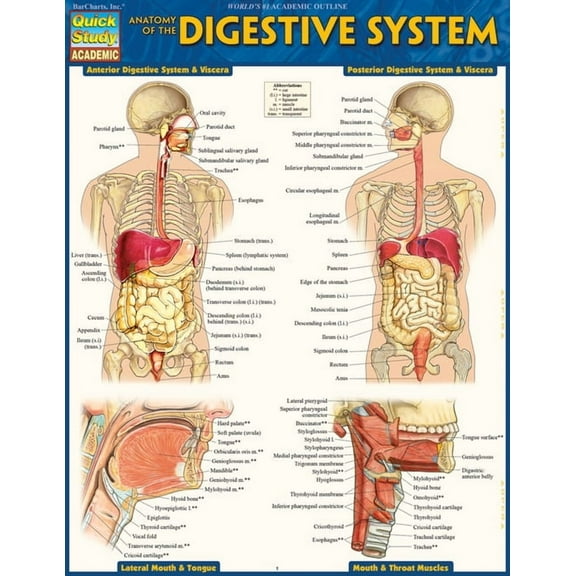












About Medical Reference Books in Medical Books - Walmart.com
Medical reference books help you study, teach, and review with organized information you can keep within reach. You can compare specialties, formats, audiences, and editions to match your coursework, rounds, or office reference needs.
How to choose medical reference books by specialty
You should start with the medical specialty that matches your classes, certification path, or daily practice. You can narrow your options faster when your book aligns with nursing, anatomy, pediatrics, cardiology, or internal medicine.
If you need nursing reference books, you may look for dosage charts, care planning support, and quick clinical lookups. If you need anatomy reference books, you may prefer atlases, labeled diagrams, and structured terminology for lab and lecture use.
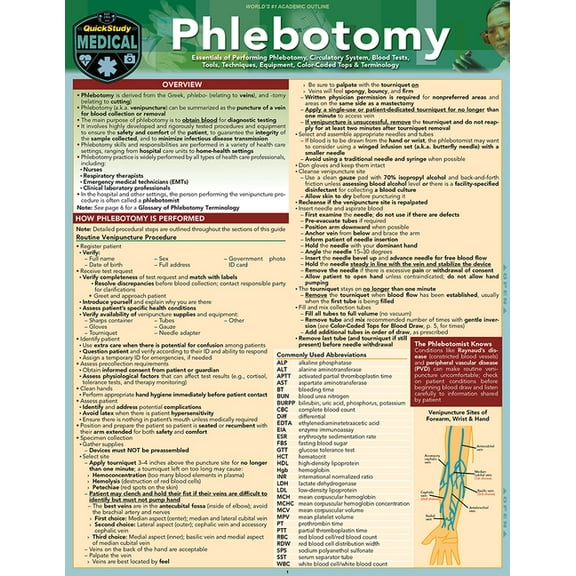
When you compare clinical medicine guides, you should check whether the content matches your rotation, practice area, or teaching focus. You can also choose medical board review books that target your exam blueprint instead of broad survey reading.
What you gain from the right medical books for students
You can keep key facts in one place when your reference text matches your course level and specialty. You can spend less time switching sources when your book includes indexes, tables, and topic-based chapters.
Printed references can support quick lookups during study sessions, lectures, and desk work. You can mark important pages, add tabs, and return to diagrams or charts without opening multiple screens.
- You can compare medical books for students by specialty focus and course relevance.
- You can choose nursing reference books for bedside terminology, charts, and class support.
- You can use medical board review books for exam outlines, question review, and topic refreshers.
- You can keep anatomy reference books nearby for labeled visuals and structured terminology.
You may also benefit from having a dedicated book for one purpose instead of one source for everything. You can use a classroom text for coursework and a separate general reference for fast clarification.
Choosing format, edition, and access options
You should compare hardcover, paperback, spiral-bound, and e-book formats before you choose. You can match the format to how you read, carry, annotate, and reference material during long days.
Hardcover editions can work well when you want a durable desk reference for repeated consultation. Paperback editions can feel easier to carry when you move between class, library tables, and study groups.
Spiral-bound medical books can help you keep pages open while you take notes or review charts. E-book options can fit your tablet workflow when you want searchable text and portable access.
You should also check whether a title includes digital access codes or companion materials. You can benefit from online question banks, image libraries, or supplementary resources when your course requires them.
Edition recency matters when you need current terminology, updated guidelines, and revised chapter content. You should compare publication details carefully so your selected text matches your syllabus, exam, or professional reference needs.
Matching your purpose with medical board review books and references
You can make a clearer choice when you separate classroom learning from clinical reference needs. A classroom textbook usually gives you fuller explanations, while a quick reference often emphasizes summaries, tables, and fast navigation.
If you’re preparing for exams, medical board review books can help you focus on tested topics and condensed review. If you’re supporting practice or rounds, you may prefer clinical medicine guides with practical organization and indexed sections.
If you research often, you may look for broad medical dictionaries, specialty overviews, and citations that support deeper reading paths. If you practice daily, you may compare concise handbooks, specialty manuals, and desk references that fit everyday consultation.
How to match audience and use case
You should consider who will use the book before you compare page counts or bindings. If you’re a medical student, you may need structured chapters and review aids, while practitioners may prioritize fast access and specialty relevance.
If you’re building a study stack, you can pair medical books for students with anatomy references and exam review titles. If you’re outfitting a workspace, you can combine general reference texts with specialty manuals for nursing or internal medicine.
For classroom support, you may look for current editions, clear diagrams, and chapter organization that mirrors your coursework. For rounds or office use, you may prefer compact trim sizes, spiral binding, or searchable digital formats.
When you teach or mentor, you can compare books that present definitions, visuals, and specialty content in a clear sequence. When you review for boards, you can focus on texts built around exam domains and refresher content.
Medical reference books for practical buying decisions
You can shop medical reference books with more confidence when you compare specialty, format, audience, and purpose together. You can make a stronger choice when your edition, binding, and content match the way you actually study or reference information.
You can rely on this category to help you pinpoint the right text for classes, boards, or daily consultation. Your next selection can support quicker lookups, clearer studying, and more organized reference use.