

Optometry Books in Medical Books















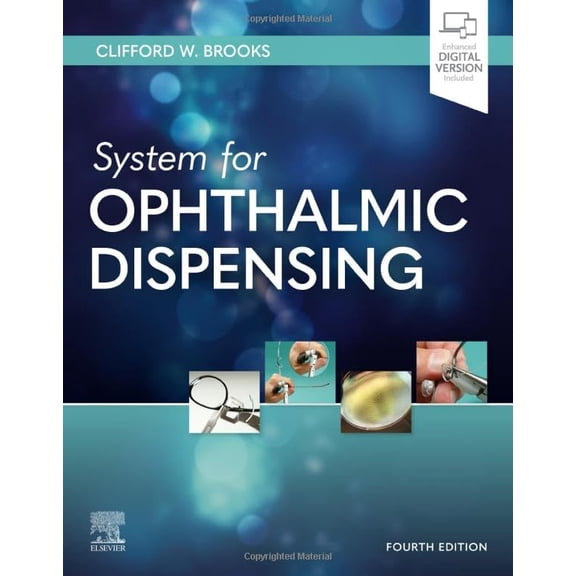






About Optometry Books in Medical Books - Walmart.com
Optometry books help you build course knowledge, compare clinical topics, and prepare for exams with focused medical reading. You can use this category to sort textbook formats, specialty coverage, and study levels that fit your program or practice.
If you're comparing assigned reading with long-term references, you'll want content that matches current coursework and clinical training. You can also look for updated editions, visual atlases, and board review titles that support organized study.
How to choose optometry books by book type
You'll usually start with book type because each format supports a different learning goal. You may choose optometry textbooks for structured instruction, or pick clinical manuals for chairside reference.
When you compare atlases, you'll focus on images, labeled structures, and condition recognition across eye anatomy topics. If you're reviewing for exams, you'll often prefer board review guides with outlines, recall prompts, and practice-focused summaries.
- You can use textbooks for chapter-based learning, assigned reading, and concept building.
- You can use board review guides for NBEO prep, condensed review, and topic refreshers.
- You can use clinical manuals for procedures, testing steps, and day-to-day reference.
- You can use atlases for image-heavy study in ocular structures and visible findings.
You'll get more from this category when you match the book type to your immediate task. If you're switching between lectures and clinic, you may want both a core text and a compact manual.
Choosing clinical optometry books by specialty focus
You should compare specialty focus next, because optometry training covers distinct subject areas. You may need clinical optometry books for contact lenses, pediatric optometry, ocular disease, or binocular vision.
If you're studying contact lenses, you'll want fitting principles, lens materials, and troubleshooting guidance explained in usable steps. When you're reviewing pediatric optometry, you'll look for age-based exam methods and developmental vision topics.
For ocular disease study, you may compare books with pathology images, differential discussion, and edition updates. If binocular vision is your focus, you'll likely want testing methods, case interpretation, and clear coverage of vergence topics.
You can narrow choices faster when you align specialty content with your current class, rotation, or office needs. That approach helps you avoid overly broad titles when you need focused material.
What to look for in optometry textbooks and editions
You should check educational level before you choose, because student, resident, and practicing optometrist needs can differ. If you're early in training, you'll often want foundational explanations before dense case material.
As you move into residency or practice, you may prefer deeper case discussion and concise clinical pathways. You'll also want to compare whether a title emphasizes theory, procedures, or a balanced mix.
Edition details matter because you may need current content outlines and recent pharmacological updates for coursework. If you're using books for optometry board review, you'll want material that reflects present exam parts and topic distribution.
You should also check whether your title includes online access codes, question banks, or digital companions. Those extras can help you review on different devices and revisit diagrams between classes or clinic sessions.
Format is another practical decision that shapes how you study each week. You may choose hardcover for durability, paperback for easier carrying, or e-book access for quick searching.
If you're commuting or moving between lab and clinic, you'll appreciate a lighter format that fits your bag. When you annotate heavily, you may prefer printed pages with room for tabs and notes.
Using optometry books for classes, clinics, and board review
You can use this category differently depending on where you are in training or practice. If you're an optometry student, you may build a set around foundational science, refraction, and ocular disease coursework.
During clinical rotations, you'll often need practical references that support procedures and patient flow. You may keep a clinical manual nearby for testing steps, lens selection notes, or binocular vision checks.
If you're preparing for boards, you'll likely compare optometry board review titles with outline-based chapters and exam-style prompts. You'll want books that help you revisit content domains without rereading every full-length text.
You can also compare this category with ophthalmology books when you need adjacent eye care topics and broader medical context. If your coursework overlaps, that comparison can help you round out reading for anatomy, pathology, or clinical reference.
For working professionals, your needs may center on updated references and concise clinical refreshers. You'll often look for books that support continuing study, quick consultation, and specialty-specific review.
You can make a clearer choice when you compare book type, specialty focus, educational level, and format together. That method helps you build a more useful learning shelf, whether you're studying for NBEO content or sharpening clinical decisions.
Why this optometry books category supports focused selection
You don't need a generic medical text when your coursework and clinic work demand eye care detail. You can choose materials here with clearer alignment to optometric training, specialty study, and board preparation.
When you match your title to exam scope, edition recency, and daily use, you'll study with fewer gaps. That gives you reading support that fits lectures, clinic days, and structured review.