

Pharmacy Books in Medical Books







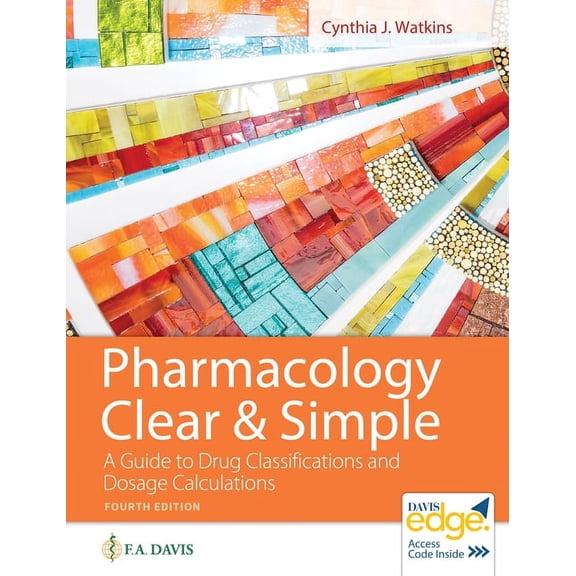


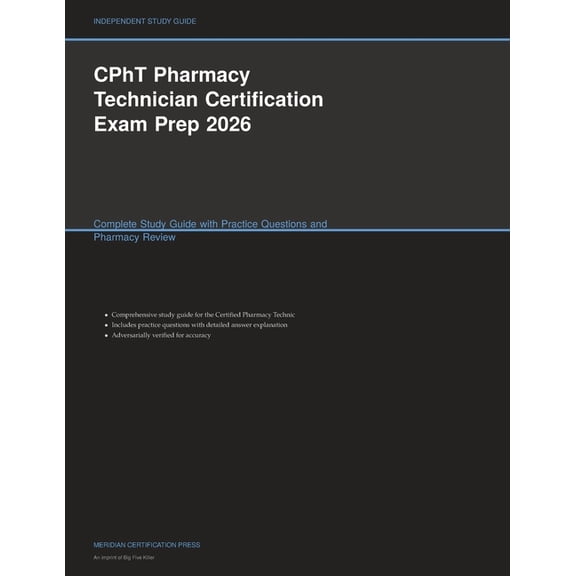
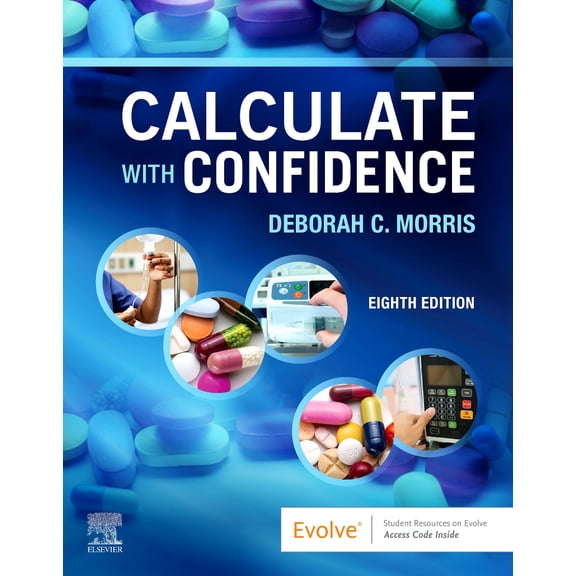
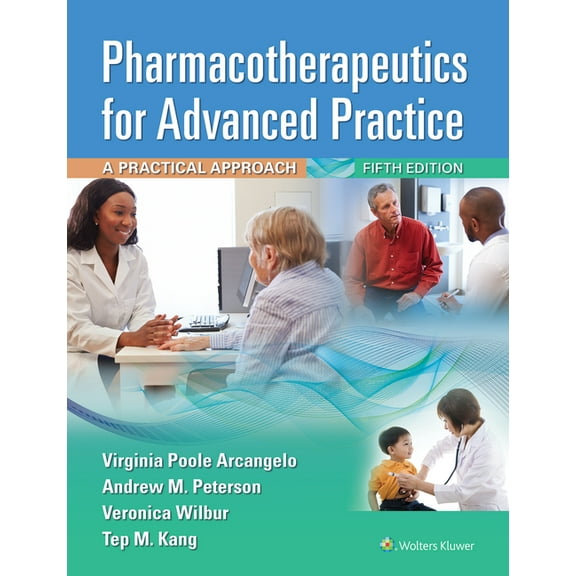

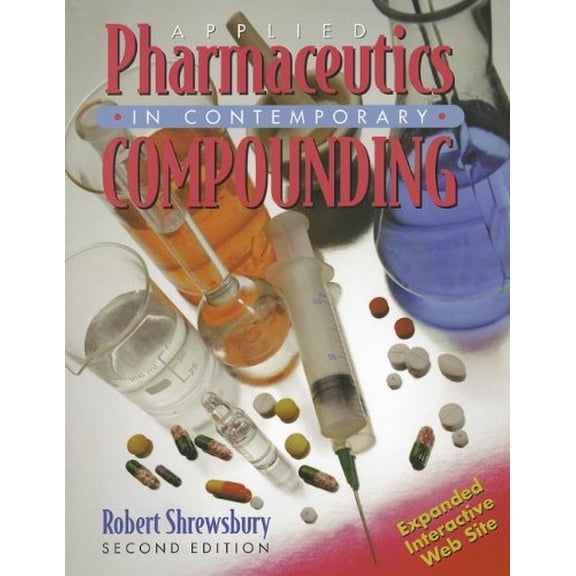

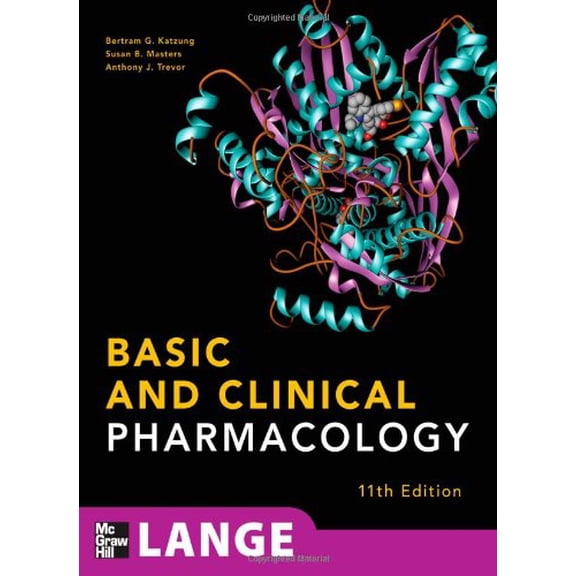
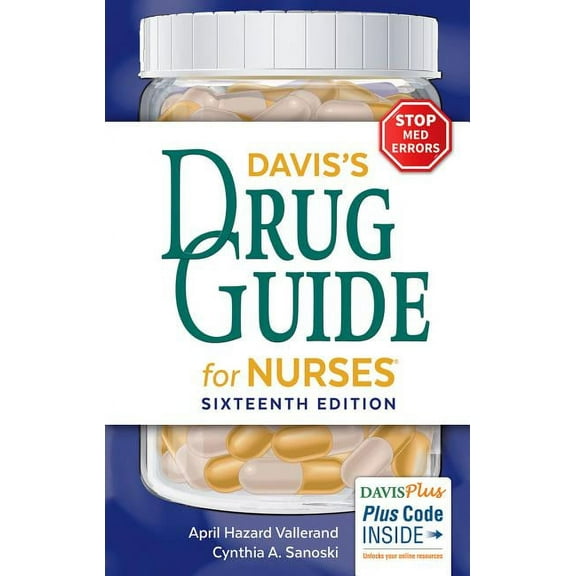
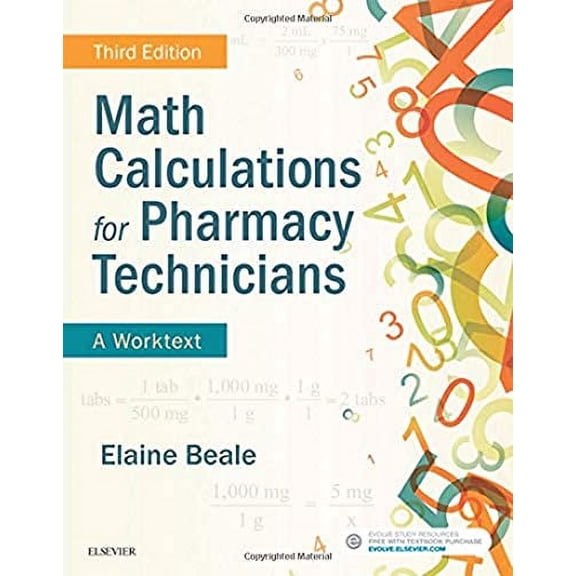





About Pharmacy Books in Medical Books - Walmart.com
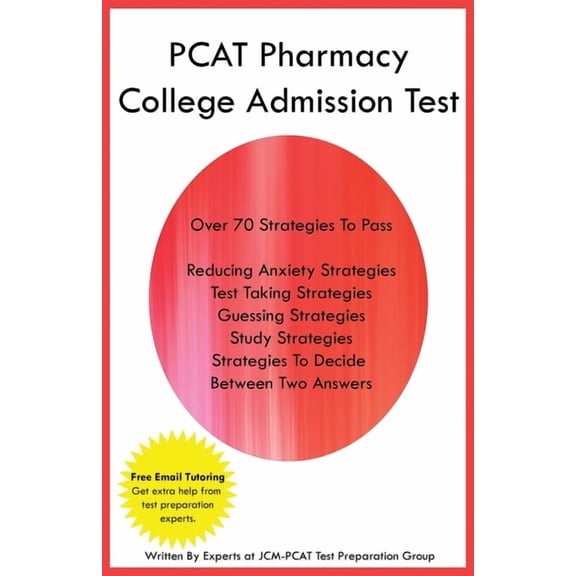
Pharmacy books help you study with clearer focus, whether you need course support, exam review, or a dependable professional reference. You can compare formats, audiences, and subjects so your material fits your program, certification path, and daily study habits.
How to choose pharmacy books for your goals
You'll want to start with your target audience before you compare titles. Your needs differ if you're a pharmacist, a technician student, a classroom learner, or a consumer seeking plain-language drug information.
When you choose pharmacy technician books, you can focus on certification content, calculations, labeling, and workflow basics. When you choose pharmacist-focused texts, you can expect broader clinical depth, pharmacy law coverage, and advanced pharmacology review.
You should also check exam alignment before you commit to a study resource. Your preparation becomes more efficient when your book matches NAPLEX prep books, a ptce study guide, or ExCPT review content.
- You can narrow by exam path, so your study time stays focused on relevant standards.
- You can compare audience depth, so your material matches technician training or pharmacist preparation.
- You can choose a usable format, so your notes, tabs, and review routine feel organized.
- You can review subject areas, so your reading supports drug calculations, law, and clinical topics.
Choosing book format and edition details
You should compare book format based on how you study each week. Paperback options can feel familiar for everyday reading, while hardcover editions can suit repeated desk reference use.
Spiral-bound formats can help you keep pages open during note-taking, lab work, or calculation practice. Digital options can help you search terms quickly when your schedule moves between class, work, and home.
You should also look for current editions when you compare pharmacy books. Your course work and exam review usually benefit from updated drug names, current standards, and recent approval information.
Edition currency matters when your syllabus, certification outline, or instructor guidance reflects newer content. You can avoid mismatched study sessions when you check publication details, edition numbers, and topic updates.
Pharmacy technician books and exam prep choices
You may need pharmacy technician books that explain tasks in direct, practical language. Your training often centers on medication safety basics, pharmacy law, inventory steps, and prescription processing concepts.
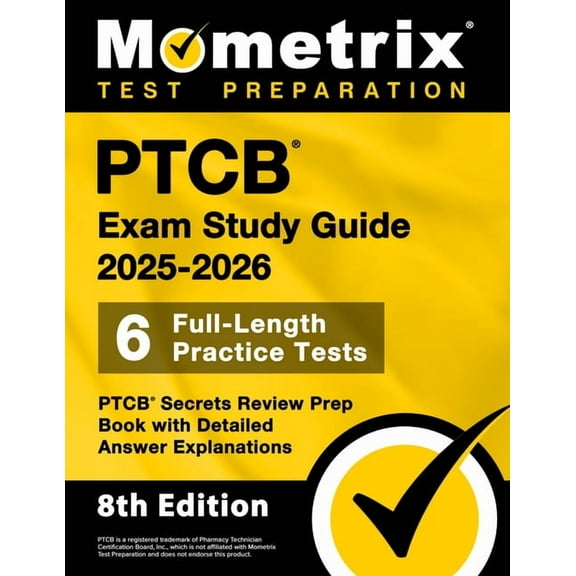
If you're preparing for certification, you should compare books by exam alignment, not just by title. Your ptce study guide may organize content around federal requirements, calculations, medication classes, and practice questions.
You might also compare ExCPT-focused resources if your program follows that pathway. Your review can feel more manageable when chapters mirror the tested domains and include space for repeat practice.
For technician study, format usability can shape your routine as much as the content itself. You may prefer spiral-bound pages for worksheets, or you may want digital access for quick term lookups.
How pharmacology books support deeper study
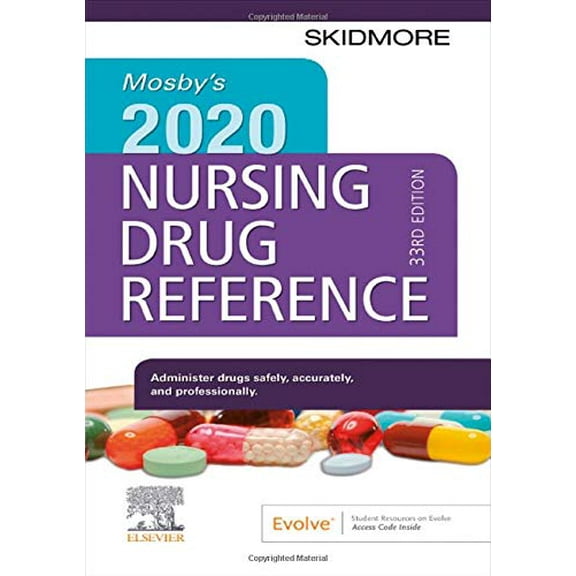
Pharmacology books can support your understanding of drug classes, mechanisms, and therapeutic use across many learning stages. You can use them for classroom reading, clinical review, or long-form reference study.
When you compare pharmacology books, you should check how deeply each title explains interactions, dosage concepts, and system-based organization. Your ideal choice depends on whether you need foundational explanations or denser professional detail.
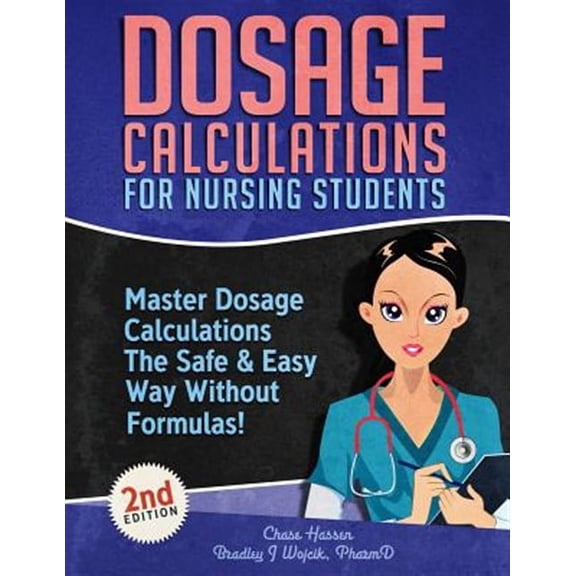
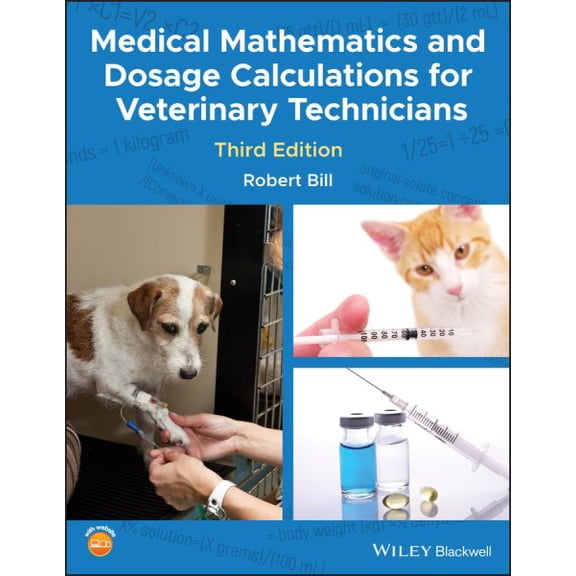
You may also need focused coverage in drug calculations, pharmacy law, and clinical skills. Your studies often go more smoothly when one resource emphasizes formulas, legal frameworks, or patient-care scenarios.
Some learners need broad survey content, while others need concentrated review for one course block. You can choose more confidently when you match subject matter to your class outline or exam blueprint.
Matching study materials to real learning situations
If you're starting a pharmacy program, you may want a general text with structured chapters and glossary support. Your reading plan can feel easier to maintain when concepts build from foundations to applied practice.
If you're preparing for licensure, you may prefer naplex prep books that combine review summaries with question practice. Your prep can stay organized when sections align with competency areas and timed review sessions.
If you're in technician training, you may need concise explanations and repeated calculation drills. Your routine may benefit from a ptce study guide that breaks topics into short, test-ready sections.
If you're balancing classwork and a busy schedule, digital formats can support quick searching between assignments. Your home study setup may also benefit from paperback or spiral-bound options for highlighting and handwritten notes.
You can also choose by subject emphasis when one course needs extra support. Your semester might call for stronger coverage in pharmacy law, clinical skills, or pharmacology books that explain drug classes clearly.
With the right pharmacy books, you can build a study plan that matches your exam path, reading style, and coursework. Your selection can support clearer review sessions and more confident preparation from chapter one onward.