

Terminal Care Books in Medical Books














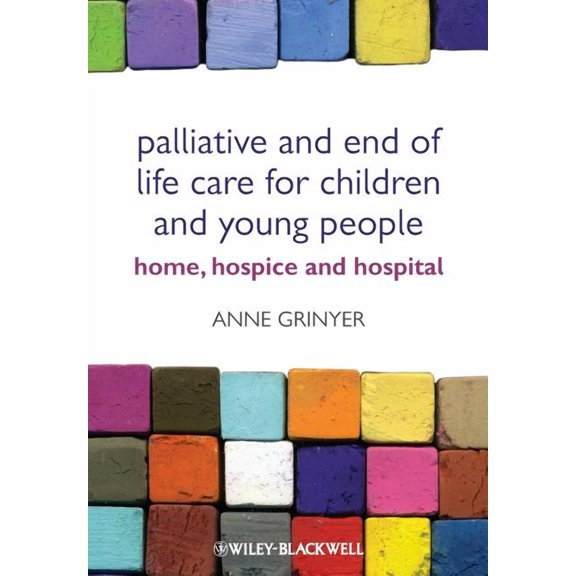

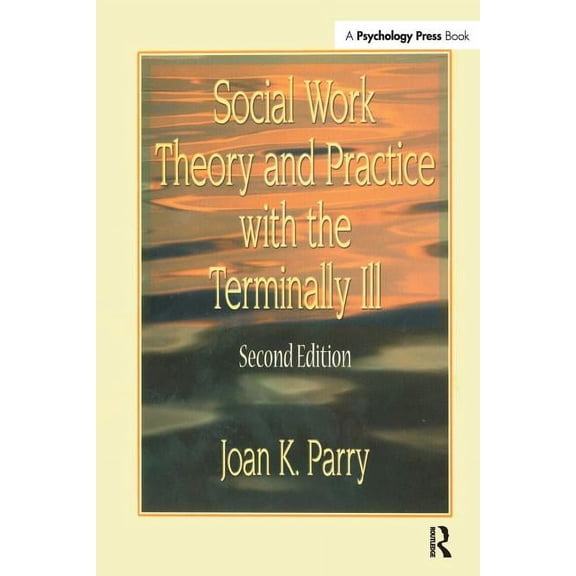


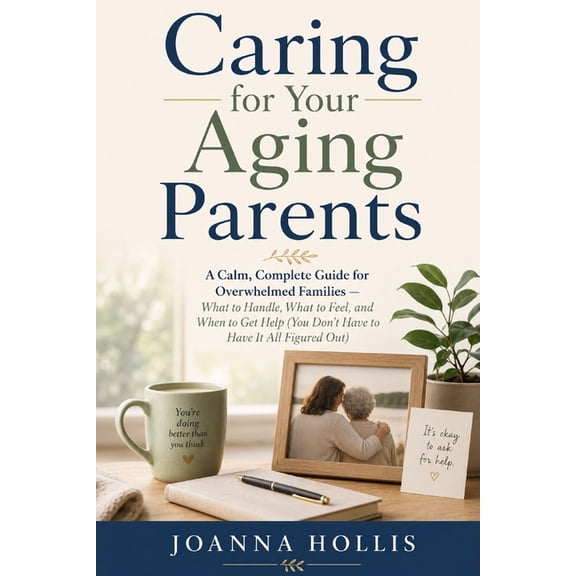


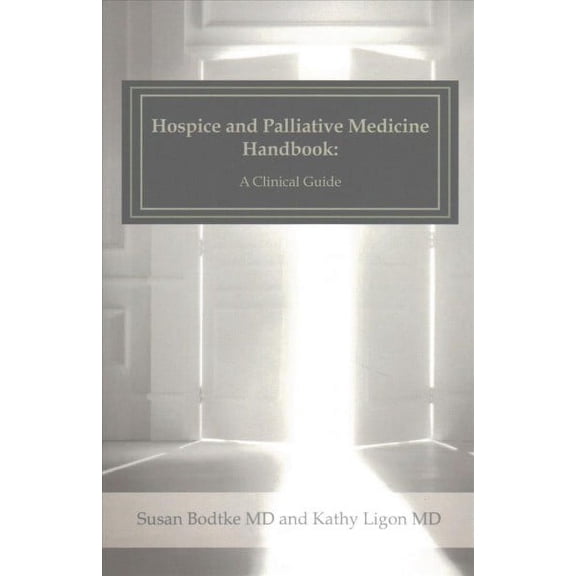


About Terminal Care Books in Medical Books - Walmart.com
Terminal care books help you compare guidance for caregiving, hospice decisions, and family support during deeply personal moments. You can use this category to find titles matched to your role, preferred tone, and reading format.
If you're choosing for a household or care team, you may want books that speak clearly without losing compassion. You can also narrow your search by palliative care, hospice care, grief support, and practical caregiving topics.
How to choose terminal care books
Your first decision is often the reader's relationship to the patient. You may need caregiver guides for daily tasks, family-centered reading, or age-appropriate titles for children.
When you compare by audience, you can avoid material that feels too clinical or too general. You can focus on books that match your responsibilities, conversations, and emotional needs.
Your next decision is the stage of care. You may look for palliative care books during ongoing support, hospice care books for comfort-centered care, or grief support books after a loss.
- You can choose caregiver guides when your daily routine includes planning, communication, and practical support.
- You can select family-focused titles when your household needs language for shared decisions and meaningful conversations.
- You can compare children's books when your young reader needs simple wording and gentle explanations.
- You can look for spiritual support titles when your reading preference includes reflection, rituals, or faith-based themes.
Choosing by care type and content focus
If your focus is active support, palliative care books can help you understand comfort-centered care and care planning language. You may prefer books on terminal illness that explain changing needs in plain terms.
If your focus is immediate hospice support, end of life care books often center on routines, communication, and home-based caregiving. You can compare titles that balance emotional guidance with step-by-step instruction.
For post-loss reading, grief support books and bereavement titles can fit individual reflection or family discussion. You may also choose books that address remembrance, coping, or spiritual support.
Your tone preference matters as much as the topic. You may want medical reference titles for structured information, or you may prefer gentle narratives and reflective writing.
When you check the content focus, you can separate practical caregiving from emotional support. You can also find books that combine symptom-focused context, family guidance, and bereavement themes.
What to look for in format and usability
Your format choice can shape how easily you use a book during busy days. You may prefer paperback for portability, hardcover for repeated reference, kindle for instant access, or audiobook for listening.
If you move between appointments, shared spaces, or bedside reading, lighter formats may fit your routine. You can keep digital editions available across devices when several readers need access.
You may also compare layout and reading style before choosing. Your ideal title may use short chapters, checklists, reflection prompts, or reference sections that support quick review.
When you evaluate usability, you can think about how and where you'll read. You may want a guide that works for brief check-ins, longer study sessions, or shared reading aloud.
For professional settings, you may look for organized chapters, indexed topics, and direct explanations. For family settings, you may prefer warmer language and examples that feel relatable.
Palliative care books and hospice care books for real situations
If you're supporting someone at home, you may want hospice care books that explain routines, planning, and communication with clarity. You can choose practical titles when your day includes hands-on caregiving.
If you're part of a clinical or support team, you may need medical reference books with structured terminology and care context. You can pair those with family-friendly titles for shared understanding.
When your household includes children, you may look for books that use simple wording and gentle pacing. You can choose age-aware reading that supports conversation without overwhelming details.
If you're preparing for conversations about comfort, values, or remembrance, end of life care books can offer helpful frameworks. You may also prefer books that include journaling, reflection, or spiritual themes.
After a loss, you may turn to grief support books that fit your reading pace and emotional bandwidth. You can choose shorter works, guided reflections, or family-centered bereavement titles.
Your needs may also change over time, and your reading choices can change with them. You can start with terminal care books for guidance now and later add bereavement or caregiver-focused resources.
Why this category helps you decide clearly
Terminal care books bring audience, care stage, tone, and format into one focused category. You can compare supportive literature with more clarity, so your next book fits the moment you're navigating.