

Diet Therapy Books in Medical Books

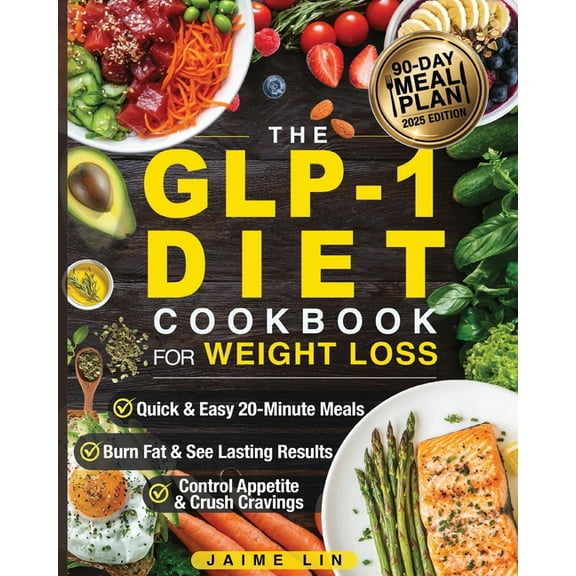

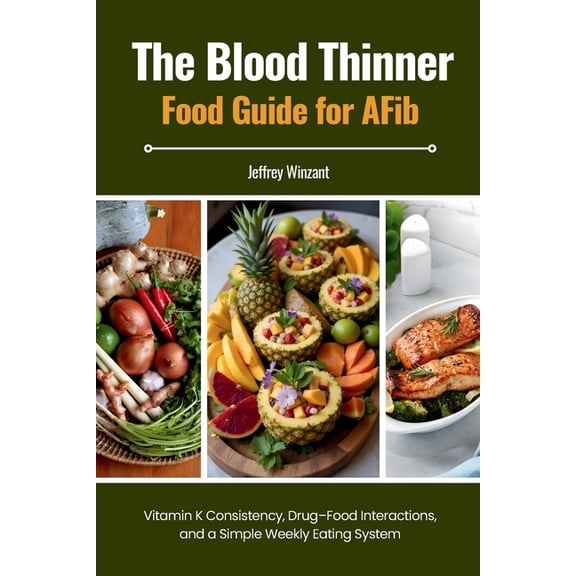



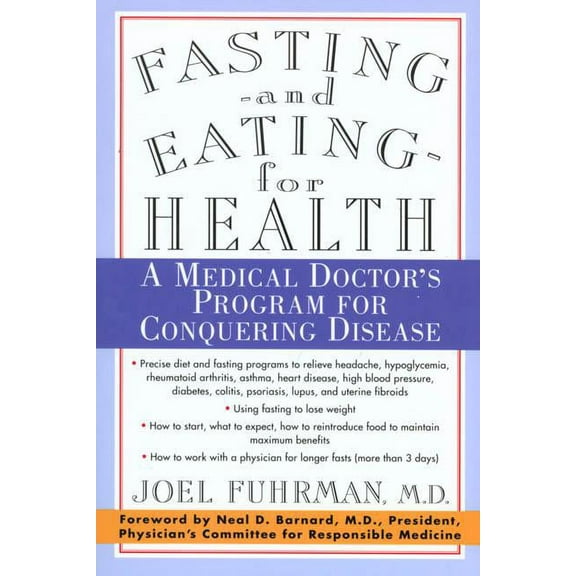



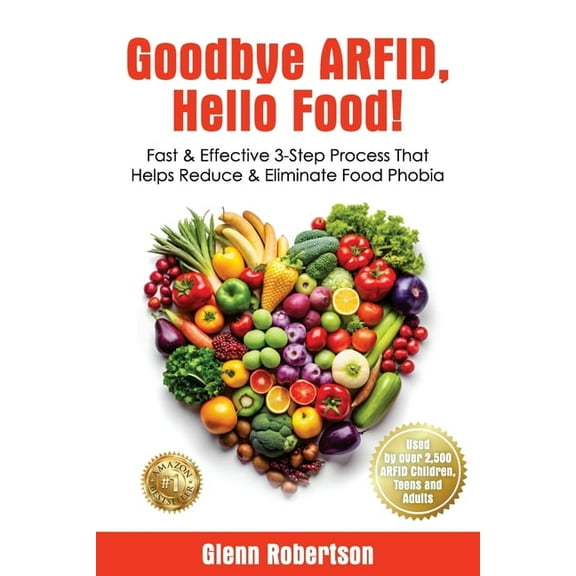

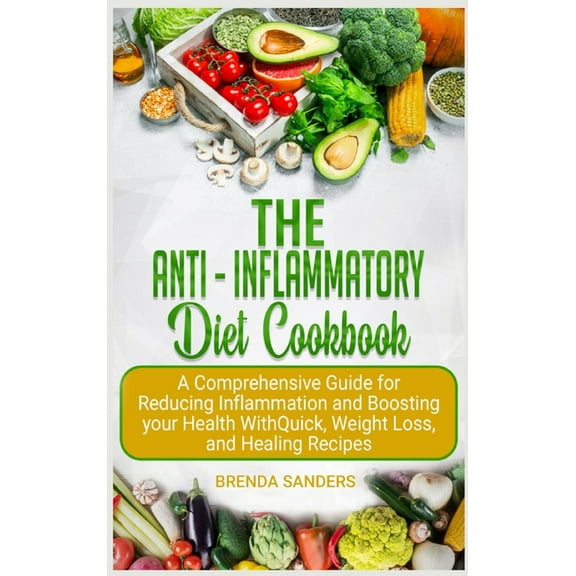

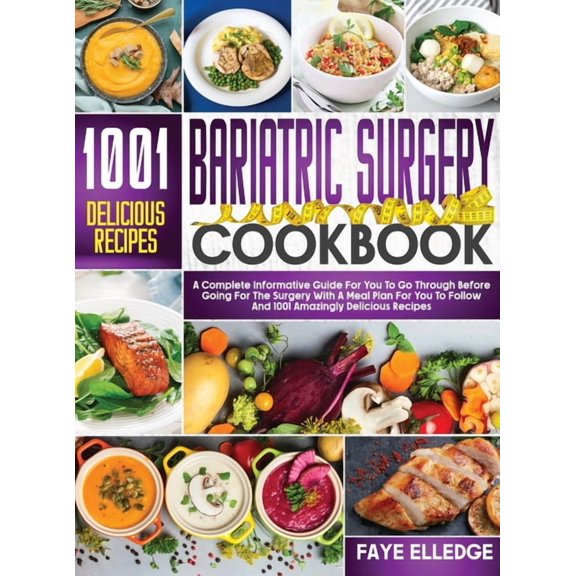






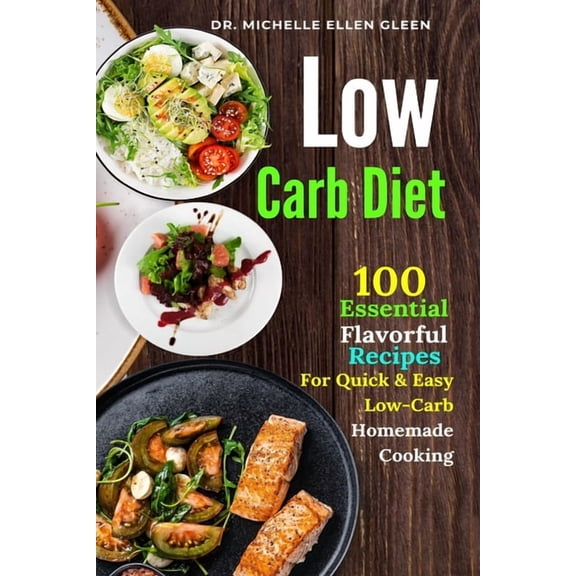
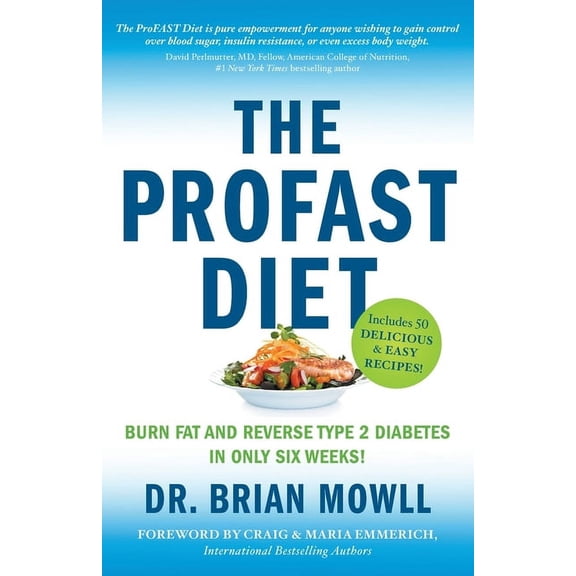
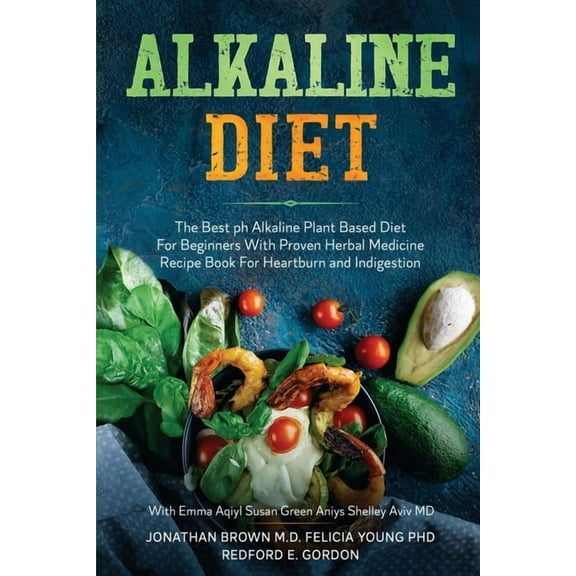
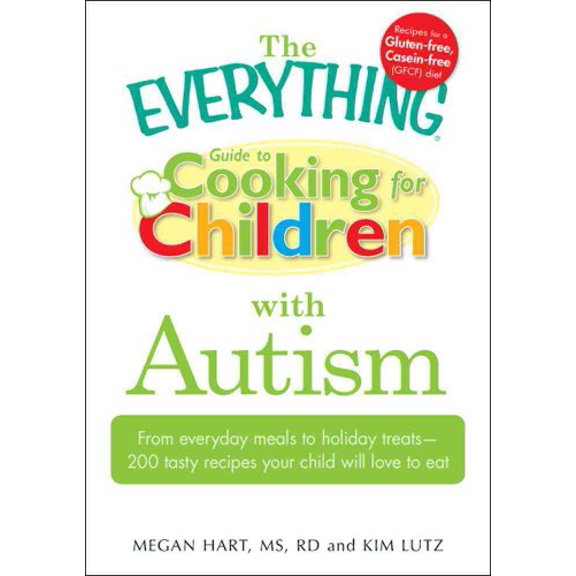


About Diet Therapy Books in Medical Books - Walmart.com
Diet therapy books help you compare condition-focused guidance, practical recipes, and readable formats before you choose a title for your routine. You can use this category to sort through therapeutic eating topics with clearer direction and stronger shopping confidence.
How to choose diet therapy books by condition
You should start with the health condition or eating approach your household needs to follow. You can compare books for diabetes, renal disease, heart health, hypertension, or broader therapeutic eating plans.
When you review therapeutic diet books, you should check whether the title stays focused on one condition or covers several related goals. You may prefer a narrow guide if your meals need tighter ingredient limits.
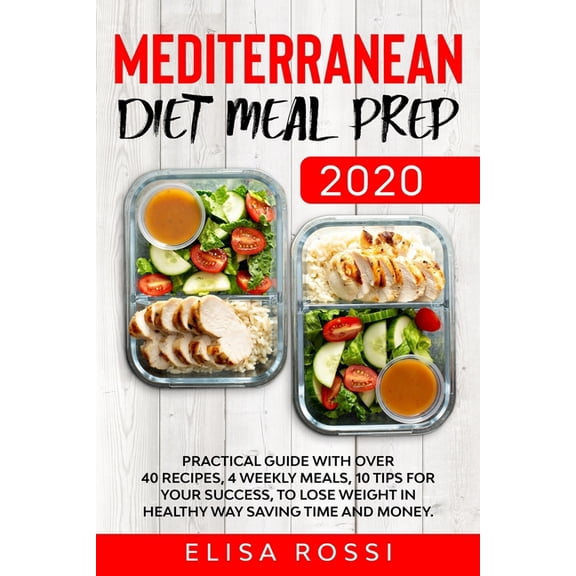
You can also compare diet types like keto, mediterranean, low-fodmap, and anti-inflammatory plans. You’ll want the eating pattern to match your daily cooking habits and your preferred foods.
- You can narrow your search faster when a book names diabetes, renal, heart, or blood pressure topics clearly.
- You can plan meals with less guesswork when a guide explains food lists, portions, and sample menus.
- You can match your reading style by choosing recipes, meal plans, textbooks, or beginner guides.
- You can pick a format that suits your routine, whether you read at home, in the kitchen, or on the go.
Choosing formats and content in diet therapy books
You should next compare content style, because some titles teach concepts while others focus on daily cooking. You may want nutrition and diet therapy books that balance explanations with shopping lists and weekly menus.
If you want hands-on help, you should look for meal plans, recipe collections, or medical diet cookbooks with ingredient notes. You’ll usually move faster from reading to cooking when instructions feel practical and familiar.
If you want deeper study, you can compare textbook-style titles with beginner guides. You may choose textbooks for detailed terminology, while beginner guides can explain renal, glycemic index, or low-fodmap topics more simply.
Book format matters too, especially when you cook often or carry a title between rooms. You might prefer paperback for lighter handling, hardcover for shelf storage, spiral bound for countertop use, or ebook for quick access.
What to look for in therapeutic diet books
You should check whether the author lists credentials such as RD, LDN, or MD. You can use those details to understand whether the guidance comes from a clinical nutrition perspective.
You’ll also want books that explain technical terms in plain language. You can compare how clearly a title defines low-fodmap foods, carbohydrate tracking, sodium limits, or renal-friendly ingredients.
Recipe structure can make a big difference in everyday use. You should look for ingredient lists, prep steps, and meal plans that fit ordinary grocery trips and weeknight cooking.
You may also compare table layouts, substitutions, and portion guidance when you review healthy eating books. You can use those details to judge whether a title will feel useful beyond the first few pages.
Matching diet therapy books to your routine
You might need an anti inflammatory diet guide that helps you build simple breakfasts, lunches, and dinners. You can use that style of book when you want recipe ideas and a clear weekly rhythm.
If your meals need tighter nutrient limits, you may focus on renal diet books with food charts and meal planning help. You can compare those titles by how clearly they organize ingredients, portions, and everyday recipe options.
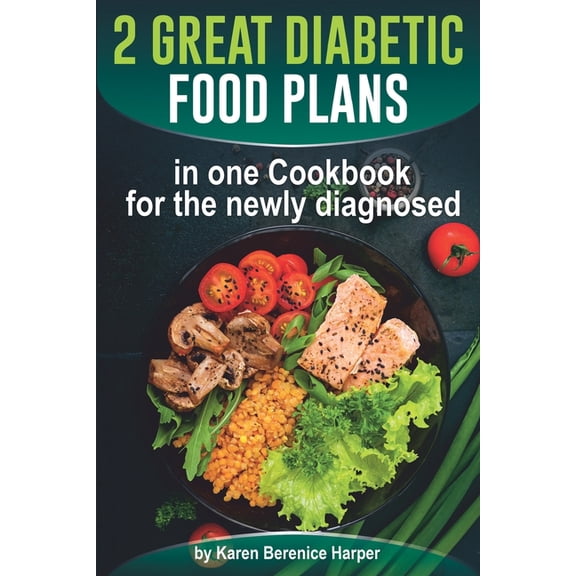
You may want diabetes-focused guides when you track carbohydrates or compare glycemic index concepts. You can look for titles that pair explanations with meal plans, so your reading turns into daily use.
For heart health or hypertension, you might prefer books that organize lower-sodium meals and pantry basics. You can use those guides when you want practical cooking direction without sorting through unrelated diet trends.
You may also want a title that works for study as well as cooking. Diet therapy books in textbook or beginner-guide formats can help you compare terminology, meal planning methods, and recipe structure more easily.
Why this category helps you decide with confidence
You can use this category to compare formats, diet types, and condition-specific topics in one place. You’ll leave with a clearer path toward recipes, meal plans, and nutrition guidance that fit your everyday eating routine.