

Physiology Books in Medical Books



















About Physiology Books in Medical Books - Walmart.com
Physiology books help you match your course, study style, and required edition before class begins. You can compare education level, focus area, format, and companion materials in one place.
How to choose physiology books for your course
You should start with your syllabus, because physiology books often vary by edition number, ISBN, and assigned scope. You can avoid ordering the wrong text when you check each course requirement carefully.
If you're taking an introductory class, you may want clearer explanations, labeled diagrams, and chapter summaries. If you're in medical school or graduate study, you may need deeper detail and denser clinical context.
You can also compare college physiology textbooks by how they organize systems, labs, and review content. You may prefer chapter questions if your course includes weekly quizzes and cumulative exams.
Choosing the right education level
You should match the book's level to your background, not just the class title. You can build confidence faster when the reading level fits your current knowledge.
Introductory titles usually give you foundational terms, broad body-system coverage, and simpler explanations. College-level texts often give you more depth, longer chapters, and stronger review sections.
Graduate and medical physiology textbooks usually expect stronger science background and faster reading pace. You may notice they cover mechanisms, regulation pathways, and integrated system relationships in greater detail.
- You can use introductory texts for general prerequisites and first survey courses.
- You can choose college-level options for semester courses with labs, exams, and guided assignments.
- You can look at graduate or medical school texts when your program requires advanced depth.
- You can compare chapter length and review tools to fit your study routine.
Comparing human physiology books and focus areas
You should compare focus area before you choose, because not every title covers the same depth. You can narrow options faster when you know whether your class centers on broad human systems or a specialty topic.
Human physiology books usually give you system-by-system coverage, including circulation, respiration, digestion, and nervous system function. You can use them for broad coursework that builds core understanding across the body.
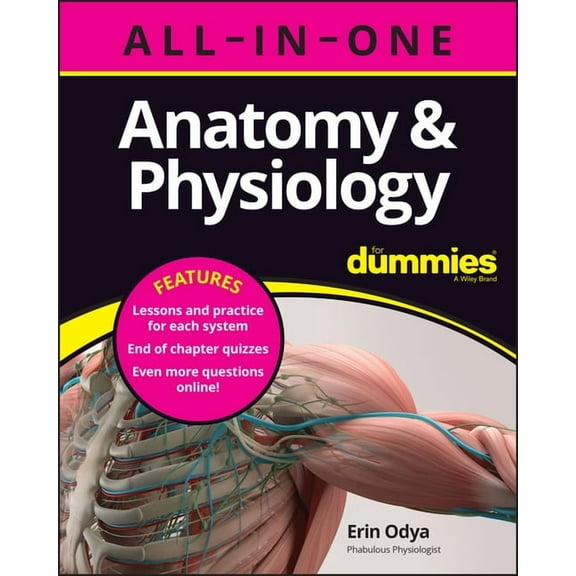
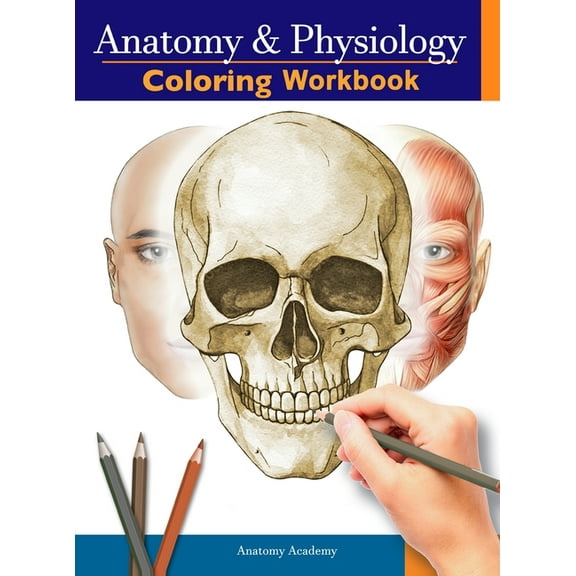
Anatomy and physiology books often combine structure with function, which helps you connect diagrams to processes. You may want this format if your class teaches organs, tissues, and body systems together.
Exercise physiology titles usually emphasize performance, energy systems, and responses to activity. Cellular physiology books often focus your reading on membranes, transport, signaling, and microscopic processes.
Pathophysiology selections typically connect normal function with changes discussed in advanced healthcare study. You can use that focus when your program moves beyond basics into disease-related mechanisms and case discussion.
What to look for in format and companion materials
You should compare format early, because it affects how you carry, annotate, and reference your text. You can choose hardcover, paperback, e-book, or loose-leaf options based on your routine.
Hardcover copies may suit you if your text stays on a desk for repeated reference. Paperback copies may work well when you want lighter weight for lectures and library study sessions.
E-book formats can help you switch between devices and search terms quickly during review. Loose-leaf formats may fit you if you want portability and binder organization by unit.
You should also check whether your title includes companion material before you finalize your choice. You can compare textbook only options, study guides, and online access card bundles.
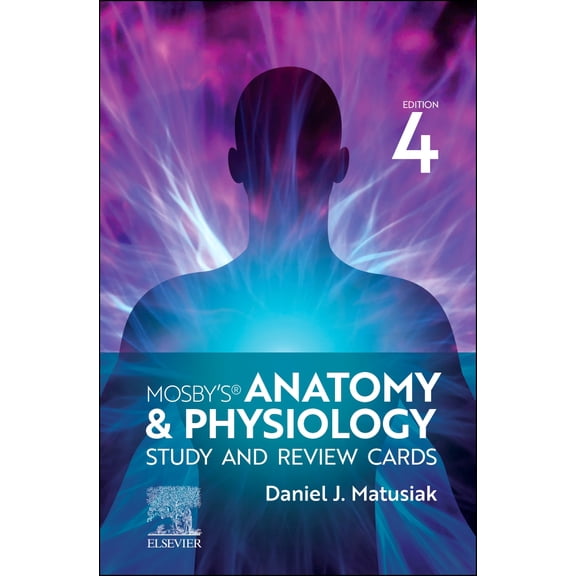
A study guide can give you practice questions, summaries, and structured review by chapter. Online learning platforms and access codes can support homework systems, quizzes, and digital resources tied to your course.
You should confirm access code status when your instructor requires online assignments through a specific platform. You can also verify whether the listing includes an unused code or textbook only content.
Using physiology books for real study needs
You may need different physiology books depending on your class format, exam schedule, and prior experience. You can choose more effectively when you match features to your actual workload.
If you're entering a first college science course, you may want anatomy and physiology books with study guide support. You can review visuals, key terms, and chapter questions before labs and unit tests.
If you're preparing for upper-level science classes, you may prefer human physiology books with denser explanations and detailed charts. You can use those references for papers, presentations, and cumulative final review.
When your instructor lists a precise ISBN or edition number, you should compare that information first. You can avoid mismatched pagination, altered chapter order, and missing assignments tied to another edition.
If your course uses online homework, you should check access codes and platform details before choosing. You can stay aligned with class requirements when your materials match the assigned digital system.
Visual learners may want texts with anatomical illustrations, process diagrams, and comparison tables across body systems. You can study more efficiently when charts help you connect structure, function, and terminology.
You can feel more prepared when your physiology books match your syllabus, study habits, and program level. You get clearer course alignment, stronger review support, and fewer textbook surprises before exams.