

Rheumatology Books in Medical Books


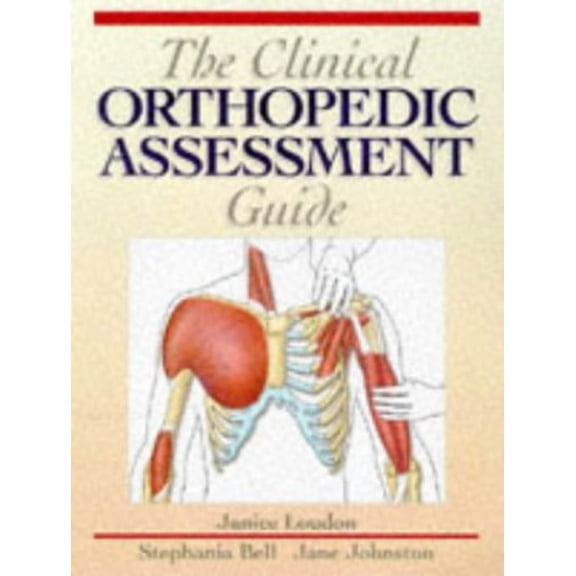


















About Rheumatology Books in Medical Books - Walmart.com
Rheumatology books help you compare clinical textbooks, board reviews, and patient guides in one focused category. You can narrow your choices by audience, format, medical focus, and edition currency before you commit to a title.
If you study autoimmune disease, joint disorders, or inflammatory conditions, you need books matched to your learning level. You can use this guide to compare technical references for practice and clearer resources for everyday reading.
How to choose rheumatology books by audience
You should first decide whether your reading needs are professional, academic, or personal. Your goals shape whether you need diagnostic criteria, case-based review, or plain-language explanations.
Medical students often need textbooks that organize foundations, terminology, and exam topics in a logical sequence. You may prefer board review titles when your focus is recall, summary tables, and question-driven study.
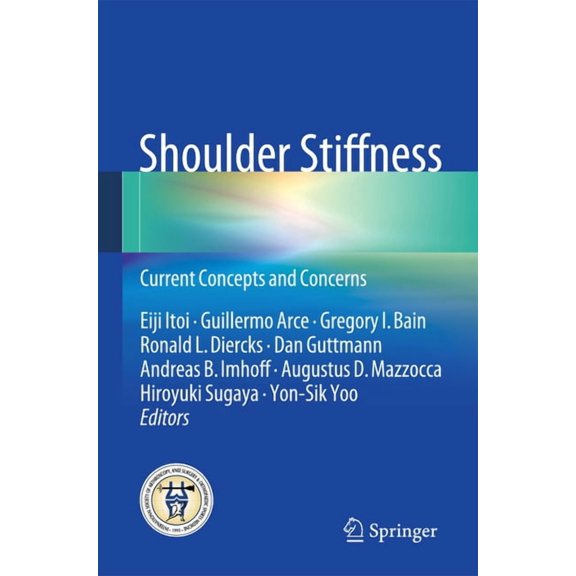
If you practice in rheumatology or support related care, you may need quick-reference material with current clinical guidelines and updated diagnostic criteria. You should check whether a title supports daily consultation, continuing education, or specialty review.
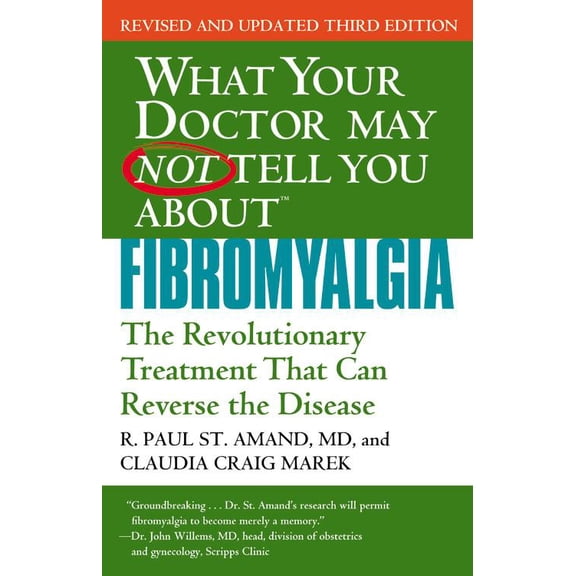
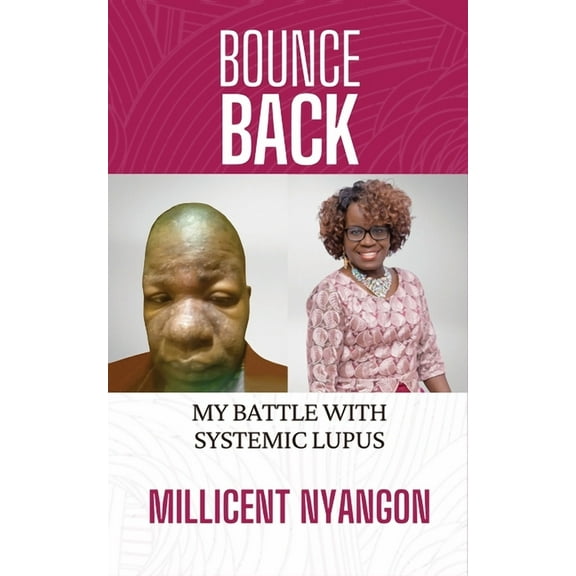
If you want personal education, you may look for patient guides that explain arthritis care, treatment discussions, and symptom tracking in accessible language. You may want less technical wording when your priority is understanding visits, terms, and care plans.
What to look for in rheumatology books
You should compare publication type before you compare format, because content structure affects how you use the book. Your options may include textbooks, board reviews, case studies, and patient guides.
- You can use textbooks for structured learning, chapter-by-chapter review, and broader topic coverage.
- You can use board reviews for condensed study, exam preparation, and fast topic refreshers.
- You can use case studies when you want real clinical scenarios and decision-making examples.
- You can use patient guides when you want readable explanations for arthritis care and daily planning.
Edition currency matters because medical standards, drug information, and classification criteria can change over time. You should look for recent editions when your work or study depends on updated guidance.
You may also want books that balance immunology concepts with practical rheumatology application. Your learning can feel more useful when immune pathways connect clearly to diagnosis, monitoring, and treatment planning.
Choosing the right format for study and reference
You should compare book format based on how and where you read frequently. Your options may include hardcover, paperback, eBook, and spiral-bound formats.
Hardcover editions can suit your office, shelf, or long-term reference library. You may prefer them when your goal is durability and frequent consultation over time.
Paperback titles can fit your bag more easily for class, rounds, or travel between settings. You might choose them when your priority is portability and easier page marking.
eBook formats can support your quick searches, bookmarks, and mobile reading across devices. You may find digital access helpful when you need fast reference during study sessions.
Spiral-bound formats can work well when you want a book to stay open on your desk. You may prefer that layout for note-taking, chart review practice, or side-by-side comparison.
Comparing medical focus areas
You should also match your title to the exact rheumatology focus you need. Your choices may center on clinical rheumatology, pediatric rheumatology, immunology, or arthritis care.
Clinical rheumatology texts can help you review systemic conditions, diagnostic workups, and management frameworks. You may want these when your coursework or practice covers broad adult rheumatologic disease.
Pediatric rheumatology books support your understanding of age-specific presentations and developmental considerations. You should look here when your training includes juvenile conditions and child-focused care discussions.
Immunology-focused books can strengthen your understanding of mechanisms behind autoimmune and inflammatory disorders. You may prefer this emphasis when your goal is connecting immune function to rheumatologic disease patterns.
Arthritis care guides often present practical information in a more approachable structure. You may choose these when your focus is patient education, family support, or day-to-day condition understanding.
Matching publication type to real use cases
You should think about when you will use the book, not just what subject it covers. Your real use case often points directly to the right publication type and format.
If you're preparing for exams, you may want a board review in paperback or eBook form. You can move through concise summaries, key terms, and quick refresh sections more efficiently.
If you manage a clinic library or personal reference shelf, you may want a hardcover textbook. You can return to tables, classification criteria, and chapter indexes during repeated lookups.
If you're learning through examples, you may prefer case studies that walk through presentation and reasoning. You can compare patterns across cases and connect concepts to practical decision points.
If you're reading for personal understanding, you may want a patient guide with clearer language. You can focus on arthritis care topics, common terms, and questions that support informed conversations.
You can also pair rheumatology books with related subjects when your needs cross specialties. Your reading may connect naturally with immunology books, internal medicine books, and orthopedics books.
When you compare by audience, format, focus, and edition, you can choose rheumatology books with more confidence. Your final pick should support clearer study, faster reference, or more informed reading from the first chapter.